

- 1 - 1 Person US$ 990
- 2 - 5 Person US$ 890
- 6 - 12 Person US$ 850
- 13 - 20 Person US$ 799
3*** Hotel in Kathmandu and Pokhara and Lodge during the trek.
Breakfast in Kathmandu and all meals during the trek.
Highlights
- Mardi Himal: The lesser-known eastern sanctuary of the Annapurna Himalayan range
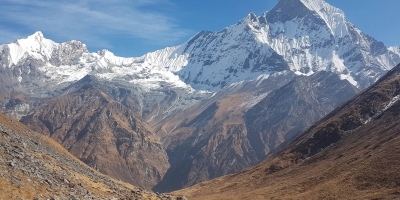
- Close-up, breathtaking views of the sacred and unclimbed Machhapuchare (Fish Tail) peak
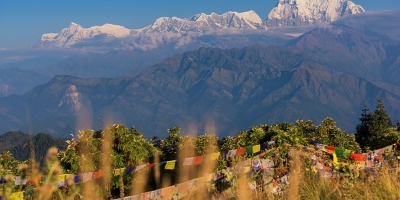
- Panoramic vistas of the entire Annapurna massif, including Annapurna I, II, III, IV, and Dhaulagiri
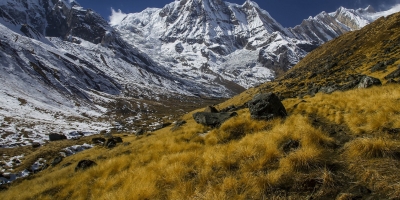
- Stunning Mardi Himal Viewpoint at 4,500 meters with spectacular sunrise and sunset scenes
- Enchanting forests of tall rhododendron, pine, oak, and fir trees providing vibrant colors in spring
- Diverse ecosystems ranging from subtropical lowlands to alpine meadows
- Immersive experience in remote Gurung and Magar villages, showcasing local culture and traditions
- Opportunity to see unique Himalayan flora and fauna in a pristine environment
- Chance to experience the natural wilderness, high ridges, and serene mountain landscapes
Overview
The Mardi Himal Trek is a moderate yet thrilling adventure nestled in the southern hills of the Annapurna Himalayas. Known as the “Other Sanctuary,” this hidden gem was named by early western explorers who were on reconnaissance missions to the Machhapuchare peak, famously called the Fish Tail. While Machhapuchare itself remains unclimbed due to its sacred status, the Mardi Himal, standing tall at 5,587 meters (18,325 feet), offers trekkers a stunning alternative to explore this pristine Himalayan landscape.
Organized by Everest Adventure Tour, this trek begins and ends in the picturesque city of Pokhara. The journey transitions from warm, lush farmland to cool, alpine Himalayan forests, leading you through serene rhododendron groves, oak, pine, and fir trees. As the trail ascends, the dense tree line gives way to alpine meadows, offering panoramic views of snow-capped peaks. The crowning moment of the trek is reaching the Mardi Himal Base Camp and Viewpoint, where you stand dwarfed by the majestic Machhapuchare and the towering Annapurna range, including glimpses of the Manaslu massif.
What makes the Mardi Himal trek unique is its relatively untouched trails and peaceful ambiance, far from the crowded tourist routes. This trek is perfect for those seeking a blend of cultural immersion, natural beauty, and physical challenge. You’ll experience traditional Nepali villages, vibrant rhododendron forests in bloom, and awe-inspiring Himalayan vistas all in one journey.
Highlights of the Mardi Himal Trek:
- Moderate trekking difficulty suitable for most fit hikers
- Spectacular views of Machhapuchare (Fish Tail) and Annapurna ranges
- Diverse landscapes: subtropical foothills to alpine meadows
- Rich flora with rhododendron and oak forests
- Opportunity to explore traditional Gurung and Magar villages
- Trekking under the guidance of experienced Everest Adventure Tour staff
- Off-the-beaten-path experience with fewer tourists
Major Places for Mardi Himal Trek
The Mardi Himal trek encompasses several breathtaking stops, each offering unique experiences and natural beauty. Below is a detailed description of the key locations on your journey:
Kathmandu:
Your adventure begins in Nepal’s vibrant capital, Kathmandu. Here, Everest Adventure Tour ensures your smooth arrival and comfortable hotel stay. Day 2 is dedicated to exploring Kathmandu’s rich cultural heritage with visits to iconic sites such as Durbar Square, Swayambhunath (Monkey Temple), and Pashupatinath Temple, providing insight into Nepalese history, religion, and art.
Pokhara:
A scenic 30-minute flight from Kathmandu brings you to Pokhara, a tranquil city sitting beside the serene Phewa Lake. Known as the gateway to the Annapurna region, Pokhara offers stunning views of the Annapurna and Machhapuchare peaks, vibrant lakeside cafes, and a relaxed atmosphere, perfect for preparing for your trek.
Dhampus Village:
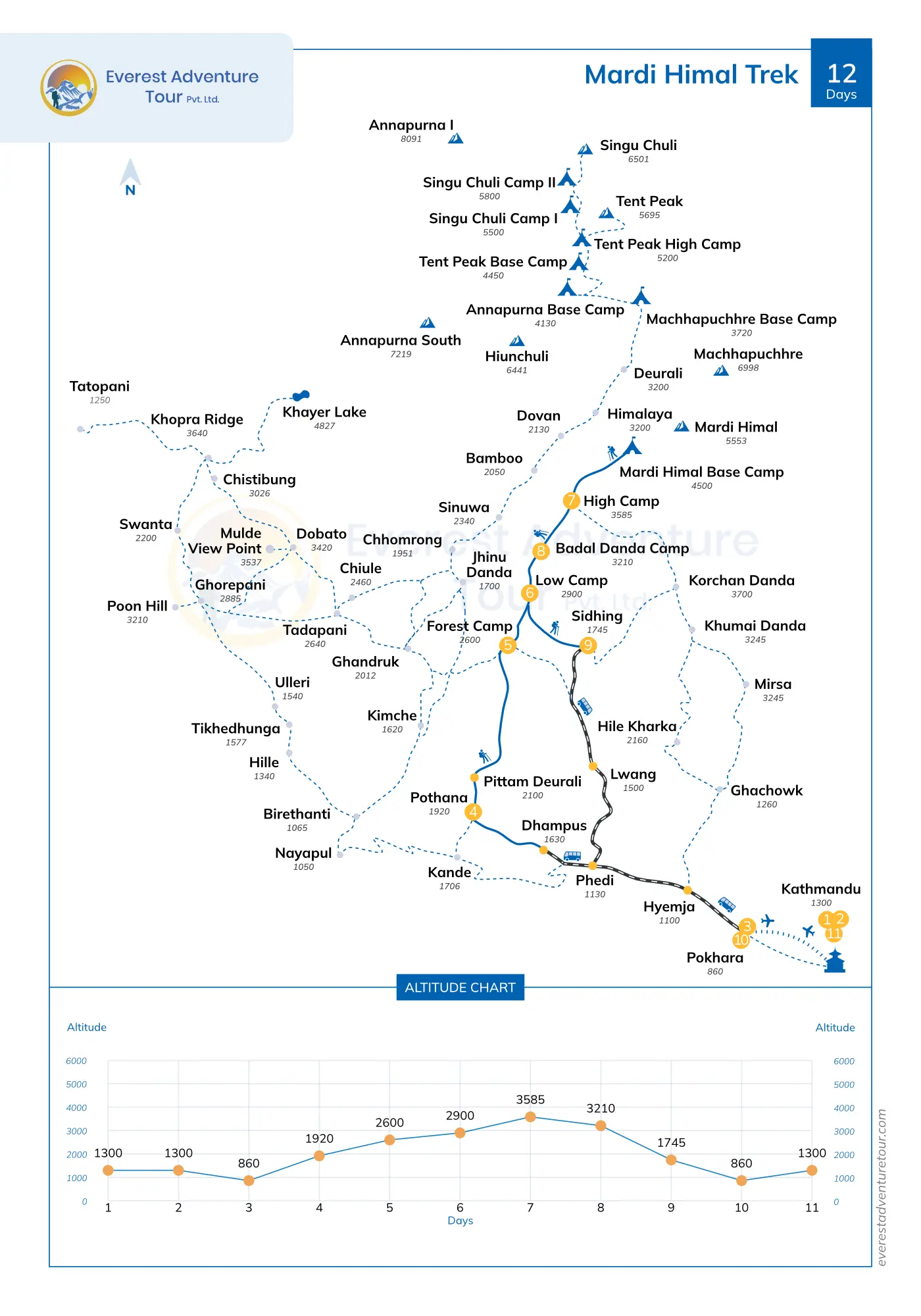
From Pokhara, you drive to Dhampus village (1,630 m), a traditional Gurung village known for its warm hospitality and panoramic views. The trek starts here, ascending gently to Potana (1,920 m), where you get your first glimpse of the Himalayan peaks.
Forest Camp, Low Camp and High Camp:
The trail ascends through lush forests to Forest Camp (2,600 m). This camp is surrounded by dense rhododendron and oak forests, making it a perfect spot for nature lovers. The peaceful environment and fresh mountain air prepare trekkers for higher elevations.
Continuing upwards, the trek reaches Low Camp at 2,900 m, followed by High Camp at 3,585 m. Here, the forest thins out, revealing open meadows and incredible views of the surrounding peaks. High Camp serves as a strategic resting point before the challenging ascent to Mardi Himal Base Camp.
Mardi Himal Base Camp and Viewpoint:
The highlight of the trek is a demanding hike to Mardi Himal Base Camp (4,500 m) via Mardi Viewpoint. The viewpoint offers panoramic vistas of Machhapuchare, Annapurna South, and other Himalayan giants. After soaking in the views, you descend to Badal Danda Camp (3,210 m) to rest.
Siding Village:
Descending further, you arrive at Siding Village (1,745 m), a traditional village where you can observe the local lifestyle and architecture. This change in altitude marks a return to warmer climates and more cultivated landscapes.
This detailed itinerary by Everest Adventure Tour ensures a perfect blend of adventure, cultural exposure, and natural beauty on the unforgettable Mardi Himal Trek. Whether you are a seasoned trekker or a keen beginner, this journey promises memories of a lifetime beneath the magnificent Annapurna range.
Best Season for Mardi Himal Trek
The Mardi Himal Trek offers spectacular mountain views and diverse landscapes, but the timing of your trek can significantly influence your overall experience. The best seasons to undertake the Mardi Himal Trek are autumn (September to November) and spring (March to May). These months provide the most favorable weather conditions, with clear skies, moderate temperatures, and the breathtaking sight of blooming rhododendron forests in spring.
During autumn, the skies are typically clear and dry after the monsoon season, offering excellent visibility of the Annapurna and Machhapuchare ranges. This season is especially popular among trekkers because the weather is stable, the air is crisp, and the trails are not too crowded. Additionally, autumn coincides with important Nepali festivals such as Dashain and Tihar, providing a unique cultural experience.
Spring is another ideal time for the trek, especially for nature enthusiasts, as the forests burst into vibrant colors with the blossoming of rhododendrons and other alpine flowers. The weather warms up gently, and wildlife is more active during this period. However, spring can occasionally bring some rainfall, so it’s wise to be prepared.
The monsoon season (June to August) is generally not recommended for trekking due to heavy rainfall, slippery trails, and leeches in the forested areas. Winter (December to February) offers clear skies but can be very cold, especially at higher altitudes, with the risk of snow blocking the trail.
Key points for best seasons:
- Autumn (September-November): Clear skies, moderate temperature, dry trails
- Spring (March-May): Blooming rhododendrons, mild weather, wildlife activity
- Avoid Monsoon (June-August): Heavy rains and slippery trails
- Winter (December-February): Cold temperatures, possible snow
Mardi Himal Trekking Difficulty
The Mardi Himal Trek is classified as a moderate-level trek, making it accessible for trekkers with a reasonable level of fitness and some prior trekking experience. It involves daily hiking durations ranging from 4 to 7 hours, with gradual altitude gain that requires good acclimatization but is less strenuous compared to high-altitude expeditions.
The terrain varies from well-maintained trails in the lower regions to more rugged and rocky paths as you ascend towards High Camp and Mardi Himal Base Camp. The ascent to the Mardi Himal Viewpoint at 4,500 meters is the most challenging part, demanding stamina and cautious pacing to avoid altitude sickness. However, the trek is not technically difficult and does not require specialized mountaineering skills or equipment.
This trek suits individuals who enjoy moderate hiking in natural settings with opportunities to appreciate panoramic mountain views and cultural interactions. The altitude increase is gradual, with overnight stops that allow the body to adjust comfortably. The weather can be variable, and trekkers should be prepared for temperature fluctuations, especially at higher camps.
Difficulty summary:
- Moderate physical fitness recommended
- Daily trekking between 4-7 hours
- Gradual altitude gain with a maximum height of 4,500 m
- Non-technical trail, no climbing skills needed
- Potential challenges include cold weather and altitude effects
Food and Accommodation for Mardi Himal Trek
During the Mardi Himal Trek, food and accommodation are comfortable and varied, reflecting the hospitality and culture of the region. Everest Adventure Tour ensures that trekkers have access to nutritious meals and clean lodging throughout the journey.
Accommodation typically consists of teahouses or lodges, which are basic mountain inns run by local families. These lodges provide simple but cozy rooms with beds and blankets. Some may have attached toilets, but often shared facilities are available. Heating facilities can be limited, especially at higher altitudes, so it’s advisable to bring a good sleeping bag. The lodges also serve as social hubs where trekkers meet and share stories around a warm fire.
Food on the trek is primarily Nepali cuisine, with staples such as dal bhat (rice, lentils, and vegetables), momo (dumplings), noodles, soups, and a variety of fresh vegetables and eggs. Many lodges also offer international dishes like pasta, pancakes, and omelets to cater to diverse tastes. Hot drinks like tea, coffee, and traditional butter tea are widely available and perfect for warming up after a day on the trail.
Since electricity and internet access may be limited in remote areas, it’s wise to carry power banks and keep devices charged in towns. Everest Adventure Tour also ensures safe drinking water is available; however, many trekkers choose to carry water purification tablets or use refillable water bottles with filters.
Key points about food and accommodation:
- Lodging in basic teahouses with clean, warm rooms
- Meals include traditional Nepali dishes and some international options
- Hot drinks readily available for warmth and hydration
- Facilities become more basic at higher altitudes
- Electricity and internet limited; bring power backup
- Safe drinking water available; water purification recommended
Network and Communication for Mardi Himal Trek
Staying connected during the Mardi Himal Trek is possible but varies greatly depending on your location along the trail. While trekking through the more populated areas like Pokhara and lower villages such as Dhampus and Potana, network coverage is generally good, with multiple mobile providers offering 3G and 4G signals. This allows trekkers to use smartphones for calls, messages, and even limited internet access.
As you ascend higher to remote camps like Forest Camp, Low Camp, and especially High Camp and Mardi Himal Base Camp, mobile network signals become patchy or non-existent. In these higher altitudes, the rugged terrain and sparse infrastructure make reliable cellular connectivity a challenge. Some lodges provide Wi-Fi services, but these can be slow and inconsistent due to limited bandwidth and frequent power shortages.
To ensure seamless communication, many trekkers use local SIM cards from providers like Ncell or Nepal Telecom, which offer the best coverage in Nepal. Carrying a power bank is essential since electricity supply can be erratic in the teahouses. Satellite phones or portable Wi-Fi devices are rarely needed but can be arranged for emergency purposes.
Key points on communication:
- Good 3G/4G coverage in Pokhara and lower villages
- Limited or no network at High Camp and Mardi Himal Base Camp
- Wi-Fi available in some lodges but may be slow or intermittent
- Local SIM cards (Ncell, Nepal Telecom) recommended for best coverage
- Power banks necessary due to unreliable electricity
Mardi Himal Trekking Transportation
Transportation for the Mardi Himal Trek organized by Everest Adventure Tour is designed for maximum comfort and efficiency, facilitating easy transitions between cities and trailheads. Your journey begins in Kathmandu, where you arrive by international flight and are transferred to your hotel via private vehicle.
On Day 3, you take a scenic 30-minute domestic flight from Kathmandu to Pokhara. This short flight offers breathtaking views of the Himalayan range and significantly reduces travel time compared to the road journey, which can take up to 7-8 hours.
From Pokhara, the trek starts with a drive to Dhampus village, which is accessible by jeep or bus through well-maintained rural roads. During the trek, transportation is mostly on foot, with porter and guide support available to carry luggage and supplies. After completing the trek, a short drive back to Pokhara wraps up the trekking section.
Finally, on Day 11, a domestic flight returns you to Kathmandu, where you have free time before your international departure.
Transportation highlights:
- International flight to Kathmandu, Nepal’s capital
- Private airport transfer to hotel in Kathmandu
- Domestic scenic flight from Kathmandu to Pokhara (30 minutes)
- Jeep or bus transfer from Pokhara to Dhampus village (trail start)
- Trekking on foot with porter and guide assistance available
- Return drive to Pokhara and domestic flight back to Kathmandu
Mardi Himal Trekking Permits
Trekking in the Mardi Himal region requires several permits to ensure safety, environmental conservation, and support for local communities. Everest Adventure Tour takes care of all necessary permits for a hassle-free experience.
The primary permits required are the Annapurna Conservation Area Permit (ACAP) and the Trekkers’ Information Management System (TIMS) card. The ACAP permit is issued by the Annapurna Conservation Area Project, as the Mardi Himal Trek lies within this protected region. This permit helps fund conservation efforts and regulate trekking activities in the area.
The TIMS card is mandatory for all trekkers in Nepal and serves as a registration document for safety tracking. It can be obtained through authorized trekking agencies like Everest Adventure Tour or directly at Nepal Tourism Board offices.
Both permits must be carried at all times during the trek and presented to park officials when requested. The fees contribute to preserving Nepal’s unique natural and cultural heritage and supporting local communities.
Permit essentials:
- Annapurna Conservation Area Permit (ACAP) required for Mardi Himal trek
- Trekkers’ Information Management System (TIMS) card mandatory for all trekkers
- Permits ensure environmental protection and trekking regulation
- Everest Adventure Tour handles permit arrangements for clients
- Permits must be carried and shown when asked by officials
Why Choose Mardi Himal Trek?
The Mardi Himal Trek is an exceptional choice for trekkers seeking a blend of natural beauty, cultural richness, and moderate adventure. Unlike some of the more crowded trails in the Annapurna region, Mardi Himal offers a quieter, more intimate trekking experience. It is perfect for those who want to escape the hustle and bustle while still enjoying spectacular Himalayan vistas.
Organized by Everest Adventure Tour, the trek benefits from expert planning, professional guides, and high-quality logistical support, ensuring your safety and comfort throughout the journey. The company’s local knowledge means you get an authentic experience with immersive interactions in traditional villages and well-maintained accommodations.
This trek is suitable for both beginners with good fitness and experienced trekkers looking for a refreshing route. The trail showcases diverse landscapes—from subtropical forests and rhododendron-filled hills to alpine meadows and rugged high passes. The highlight is the view from Mardi Himal Base Camp and Viewpoint, offering awe-inspiring panoramas of Machhapuchare and Annapurna ranges.
Additionally, the cultural exposure to Gurung and Magar communities along the route enriches the trekking experience, allowing trekkers to witness local customs, traditions, and hospitality.
Reasons to choose Mardi Himal Trek:
- Less crowded and off-the-beaten-path route
- Stunning views of Machhapuchare and Annapurna Himalayan peaks
- Diverse ecosystems: forests, alpine meadows, and mountain ridges
- Organized by experienced company Everest Adventure Tour
- Cultural immersion in traditional Nepali villages
- Moderate difficulty suitable for many fitness levels
- High-quality accommodations and reliable support services
Important Note
Trip Itinerary

Max. altitude

Accommodation

Meals
Max. altitude
Accommodation
Meals
Max. altitude
Accommodation
Meals
Max. altitude
Accommodation
Meals
Max. altitude
Accommodation
Meals
Max. altitude
Accommodation
Meals
Max. altitude
Accommodation
Meals
Start the long day hike from the High Camp to Mardi Himal View Point, walk follows on a high ridgeline. Overlooking grand views of rolling green hills and valleys, then reaching a small flat ground and a plateau. Where Mardi Himal famous View-Point located, after a short rest enjoy the stunning panorama of?Annapurna Himalayan range. Standing close in front of towering South West Face of Machhapuchare Himal with Mardi Himal beneath the Fish Tail peak.
On reaching the highest and main goal of the adventure, return walk down to High Camp. The journey continues further reaching Badal Danda for last overnight on the high ridge of Mardi Himal. After a long adventurous hike to Mardi View-Point, and worth the hard effort and climbs to experience.
Max. altitude
Accommodation
Meals
Max. altitude
Accommodation
Meals
Max. altitude
Accommodation
Meals
Max. altitude
Accommodation
Meals
Max. altitude
Accommodation
Meals
Route Map
Includes
- All Arrival and Departure Transfer from airport to hotel and vice-versa, vehicles according to group size.
- Three Star hotels in Kathmandu & Pokhara on bed and breakfast basis only.
- Transportation on start of trekking and after trek to and from Pokhara. Includes domestic airfare Kathmandu-Pokhara-Kathmandu.
- Full board trekking includes twin sharing accommodation on best available local lodges, includes Breakfast, lunch, dinner with afternoon tea / snacks.
- Service of guide, trekking staff as per size of a group with porters.
- Wages, meals, medical allowance of guides, trekking staff and porters.
- Applicable Special Trekking Permits TIMS (Trekking Information Management Systems). Includes ACAP (Annapurna Conservation Area Project) Entrance Fees.
- Comprehensive Medical Kit carried by our guide if required for minor wounds and sickness.
- Sightseeing tour around Kathmandu valley as per the itinerary.
- Welcome or Farewell dinner in Kathmandu.
Doesn't Include
- Nepal Visa, Personal Medical & Travel Insurance.?
- Expenses of personal nature, meals in Kathmandu and gratitude or tipping? for trekking staff, drivers, porters and guide, including extra snacks and refreshments.?
- Personal trekking gear, including sleeping bags and down jackets (if it is not included on the trip cost).?
- Emergency Evacuation if required by any means of transportation, including? Helicopter Service.?
- Personal medical kit, as advised by you doctors.?
- Early return from the trek due to personal domestic or medical reasons, ?no refund will be entertained on breaking the journey.
- Excellent customer service. Our travel experts are ready to help you 24/7.
- Best price guaranteed.
- No credit card or booking fees.
- 100% financial protection.
- Environmentally-friendly tours.
Equipment List
- Thermal underwear (top and bottom)
- Moisture-wicking long-sleeved t-shirts
- Moisture-wicking underwear
- Fleece jacket or pullover
- Insulated down or synthetic jacket (lightweight and warm)
- Waterproof, windproof jacket (Gore-Tex or similar)
- Waterproof, windproof pants
- Trekking pants (convertible preferred)
- Warm beanie or wool hat
- Sun hat or baseball cap
- Neck gaiter, buff, or scarf
- Waterproof trousers (for rain and snow)
- Lightweight inner gloves (thermal or liner gloves)
- Insulated outer gloves or mittens (waterproof)
- Waterproof, broken-in hiking boots with ankle support
- Comfortable camp shoes or sandals (for evenings)
- Trekking socks (wool or synthetic, several pairs)
- Gaiters (optional, for snow and mud)
- Trekking backpack (30-40 liters) with rain cover
- Daypack (optional, for short hikes)
- Sleeping bag (rated to at least -10°C / 14°F)
- Insulated sleeping pad or foam mattress
- Adjustable trekking poles (with rubber tips)
- Insulated water bottles or hydration bladder (2-liter capacity recommended)
- Sunglasses with UV protection
- Headlamp with extra batteries
- Power bank and chargers (for electronics)
- Camera and extra batteries/memory cards
- Travel-size toiletries (toothbrush, toothpaste, biodegradable soap)
- Quick-dry towel
- Wet wipes and hand sanitizer
- Sunscreen (high SPF) and lip balm with SPF
- Personal first aid kit (bandages, blister pads, antiseptic, medication)
- Medications for altitude sickness (Diamox if prescribed)
- Pain relievers, anti-diarrheal, antihistamines
- Earplugs (for noisy lodges)
- Notebook and pen
- Portable solar charger (optional)
- Plastic zip-lock bags (to keep gear dry)
- Lightweight stuff sacks or packing cubes
- Snacks (energy bars, nuts, chocolates)
- Reusable water bottle or hydration system
- Small knife or multi-tool
- Passport-size photos (for permits if needed)
Frequently Asked Questions
?Mardi Himal Trek a new and fresh adventure destinations around the remote corners of southern Annapurna Himalayas high ridges. Where Luxury lodges are not available, except at Dhampus village but the trek does not stay overnight in Dhampus. On this adventure after leaving Dhampus village till the trek ends at Pokhara, staying overnights in simple mountain lodge. But the rooms are clean and the foods are well served as per the menu provided in every lodges.
Trekkers will be surprised to find good food menu of varieties, from Tibetan, Nepali, Indian and Chinese to Continental. Includes long list of snacks and drinks for the customer delights in most lodges on treks.
The lodge accommodation are nice, basic and simple with common bath and toilets. Trekkers should remember as the trek leads beyond from main village of Dhampus and Potana. Attached bath and toilets are not available due to freezing temperatures in the night and morning. Where all plumbing systems freeze, and stops the flow of water which will be filled with ice.
However, all lodges are clean with good rooms, having large dining with potbellied stoves to make the environment warm and cozy.
Mardi Himal Trek, all types of people from beginners to expert trekkers can join on this wonderful adventure. The altitude gains slowly at gradually, chances of catching High Altitude Sickness or AMS (Acute Mountain Sickness) are very slim. The highest point is Mardi View Point at 4,500 m, staying only for an hour or more, and then on downhill to lowers elevation. The itinerary we have set allows more time to get acclimatize before reaching the highest spot.
Rest of the walk and overnight halt is around safe altitude, below 4, 000 m and 3,000 m before reaching High Camp just for one overnight. ?The only tough walk is climbing steep uphill and on down hills, rest of the trek is enjoyable and enjoyable.
Mardi Himal is a wonderful and the best country walks around the Himalayas, but leads to much steep climb and long down hills. Rest of the journey is pleasant facing scenic views. The trek involves uphill and down on stone steps, it will best before planning and booking the trip. Enjoying some routine exercise like jogging, walking upstairs and downstairs. Including swimming, aerobic or any other good physical and breathing exercise will do you good to stay healthy for Mardi Himal Trek. As well for any other treks around the Himalayas to enjoy the adventure holidays. Some people minor medical problem, can join on this treks after taking advice from your doctors and inform the company on booking.
?Certainly yes, it will be a great wonderful adventure with beautiful contrast between Mardi Himal and Annapurna Base Camp. The extension trip branches off from Badal Danda or Low Camp to reach Landruk village. Then onwards to Annapurna Base Camp takes a week extension, which should be mentioned on booking as special request. From Badal Danda or Low Camp one can split from the group, and head towards Annapurna Base Camp. As well can trek to Ghorepani and Poon Hill, which is worth a visit.
The best seasons for the Mardi Himal Trek are autumn (September to November) and spring (March to May). These periods offer stable weather, clear mountain views, and pleasant temperatures. Autumn follows the monsoon, leaving the trail lush and skies clear, while spring features blooming rhododendrons and alpine flowers. Everest Adventure Tour advises avoiding the monsoon season due to heavy rains and slippery trails, and winter because of cold temperatures and snow at higher altitudes.
The Mardi Himal Trek is considered a moderate trek and is suitable for beginners with a reasonable level of fitness. The trail involves daily hiking of 4-7 hours with gradual elevation gain, but no technical climbing skills are needed. Everest Adventure Tour provides experienced guides who help pace the trek and manage acclimatization, making it accessible to newcomers. However, proper physical preparation and awareness of altitude effects are essential for a safe and enjoyable experience.
Yes, Everest Adventure Tour offers professional guides and porters to support your Mardi Himal Trek. Guides are knowledgeable about the trail, local culture, flora, and fauna, ensuring a safe and enriching journey. Porters can carry your heavy luggage, allowing you to focus on trekking comfortably. Hiring guides and porters not only enhances safety and convenience but also supports the local economy and community, making your trek more sustainable and responsible.
Trekking to Mardi Himal requires two main permits: the Annapurna Conservation Area Permit (ACAP) and the Trekkers’ Information Management System (TIMS) card. These permits help regulate trekking activities, ensure environmental protection, and enhance visitor safety. Everest Adventure Tour handles all permit arrangements for trekkers before departure, allowing you to focus on your journey. Carrying permits at all times on the trek is mandatory for park officials’ inspection.
Packing appropriately for the Mardi Himal Trek is crucial. Essentials include layered clothing for varying temperatures, a warm sleeping bag, sturdy trekking boots, waterproof jackets, sun protection (hat, sunglasses, sunscreen), a water bottle with purification tablets, and personal medications. Everest Adventure Tour provides a detailed packing list to help you prepare adequately. Remember, lighter packs enhance trekking comfort, and it’s important to be ready for both warm days and cold nights at higher elevations.