
- 1 - 1 Person US$ 2,300
- 2 - 5 Person US$ 2,100
- 6 - 10 Person US$ 2,050
- 11 - 15 Person US$ 1,999
- 16 - 20 Person US$ 1,950
Highlights
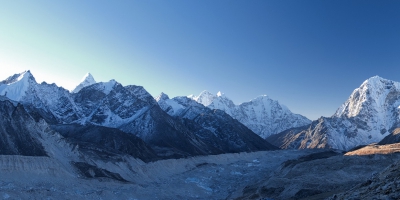
- The only trek where Gokyo-Ri offers a panoramic view of four of the world's highest peaks: Everest, Lhotse, Makalu, and Cho-Oyu — in one breathtaking glance.
- Explore both eastern and western sides of the Khumbu Valley in a single, scenic circuit.
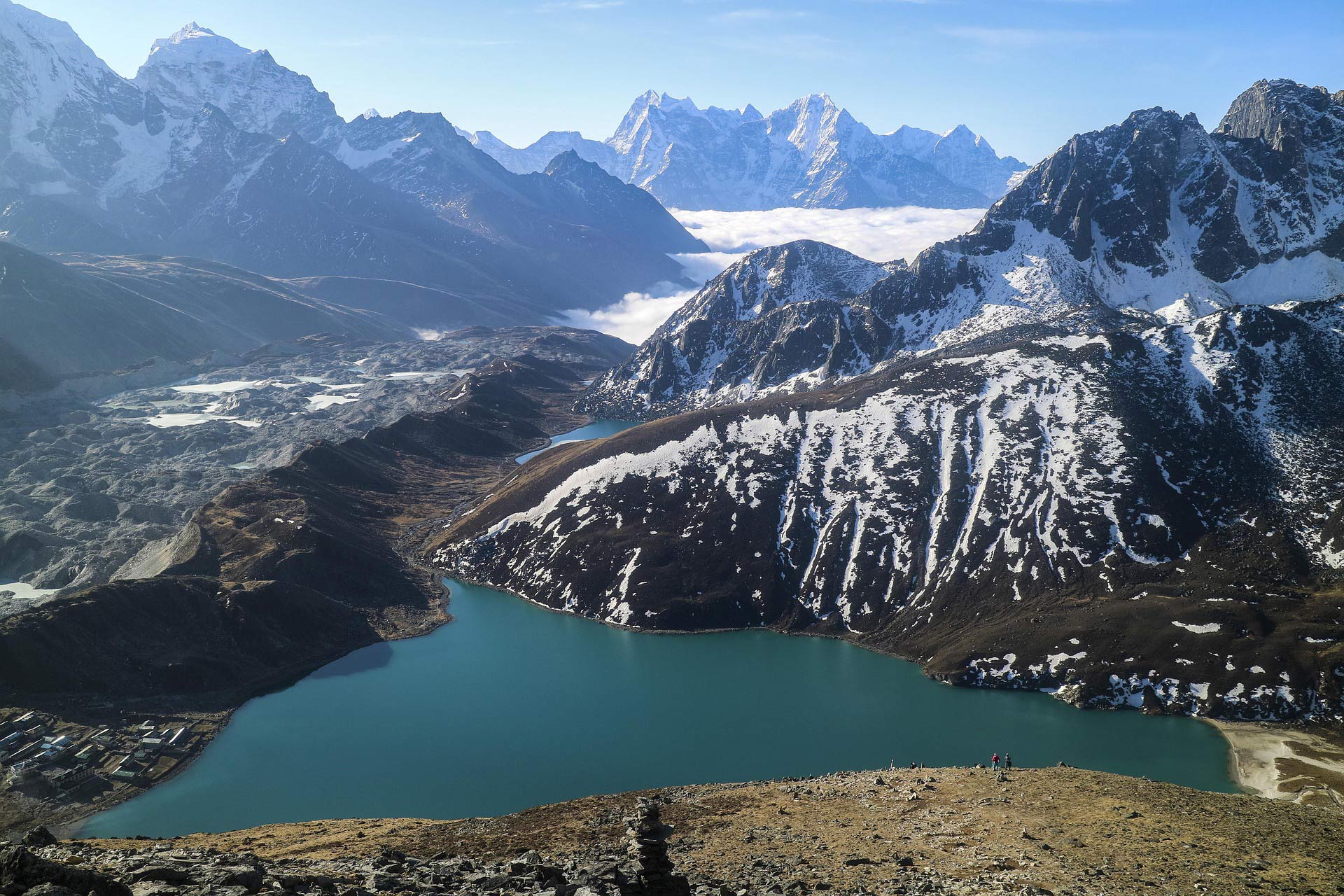
- Witness the emerald-colored Gokyo Lakes — a chain of high-altitude glacial lakes.
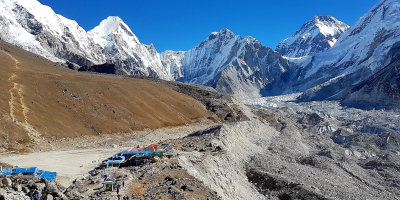
- Hike along the Ngozumpa Glacier, the longest glacier in the Himalayas.
- Experience the thrill of crossing the Cho-La Pass (5,340 m), a dramatic and adventurous high-altitude crossing.
- Stand at the legendary Everest Base Camp (5,364 m) — the foot of the world’s tallest mountain.
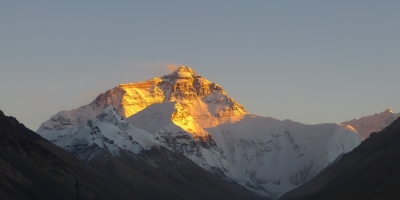
- Climb Kalapathar (5,643 m) for the closest and most iconic view of Mt. Everest.
- Immerse in Sherpa culture at traditional villages like Namche Bazaar, Dole, and Machermo.
- Visit the serene and spiritual Tengboche Monastery, set against a stunning mountain backdrop.
- Diverse and dramatic landscapes: from lush forests and river valleys to icy glaciers and rugged high passes.
Overview
GOKYO VALLEY & EVEREST BASE CAMP VIA CHO-LA PASS TREKS ‘adventure on both scenic sides of high Khumbu around Everest region’
The Gokyo Valley & Everest Base Camp via Cho-La Pass Trek offers an unforgettable journey through the most scenic and culturally rich parts of the Khumbu region. This incredible adventure takes you off the main Everest trail and into the stunning Gokyo Valley—an area known for its peaceful lakes, traditional yak pastures, and dramatic mountain scenery. Along the way, you’ll experience both the western and eastern sides of the Everest region, making it a complete circuit filled with variety and natural beauty.
Your journey begins in Kathmandu, with time to explore its fascinating heritage sites before flying into the famous mountain airstrip of Lukla. From there, the trail follows the Dudh Koshi River, passing through charming Sherpa villages and lush forests before reaching the lively Namche Bazaar—an important stop for rest and acclimatization. Leaving the main Everest route, you head into the serene Gokyo Valley, where a chain of turquoise lakes and the majestic Ngozumpa Glacier await. A highlight here is the hike up to Gokyo Ri, offering one of the best panoramic views in the Himalayas—including four of the world's highest peaks: Everest, Lhotse, Makalu, and Cho-Oyu.
Crossing the high and scenic Cho-La Pass (5,340 meters) brings an adventurous twist to the trek, leading you back to the main trail and onward to Everest Base Camp. Standing at the foot of the world’s tallest mountain, surrounded by icy ridges and soaring peaks, is a moment of awe and achievement. You’ll also climb Kalapathar (5,643 meters), the trek’s highest point, for a breathtaking sunrise view of Mt. Everest at close range.
After these major highlights, the return journey takes a scenic route through Pheriche, Tengboche Monastery, and back to Namche, before ending at Lukla. The trek is a perfect mix of adventure, high-altitude challenges, and cultural immersion in the heart of the Himalayas.
Important Note:
Please note that flights to and from Lukla may be diverted to Manthali Airport in Ramechhap due to congestion at Kathmandu Airport. Everest Adventure Tour will notify you in advance and make the necessary arrangements, including transport and overnight stays if needed. Weather delays are also possible, and in such cases, our team will work to find the best solutions, including the option for a helicopter flight if required. For those wishing to shorten the trek, helicopter services can also be arranged from Gorakshep after visiting Everest Base Camp.
Major Places for Gokyo Valley and Everest Base Camp via Cho-La Pass Trek
The Gokyo Valley and Everest Base Camp via Cho-La Pass Trek covers some of the most breathtaking and culturally rich regions in the entire Himalayas. Each location has its own unique charm and significance, both in terms of natural beauty and Sherpa culture.
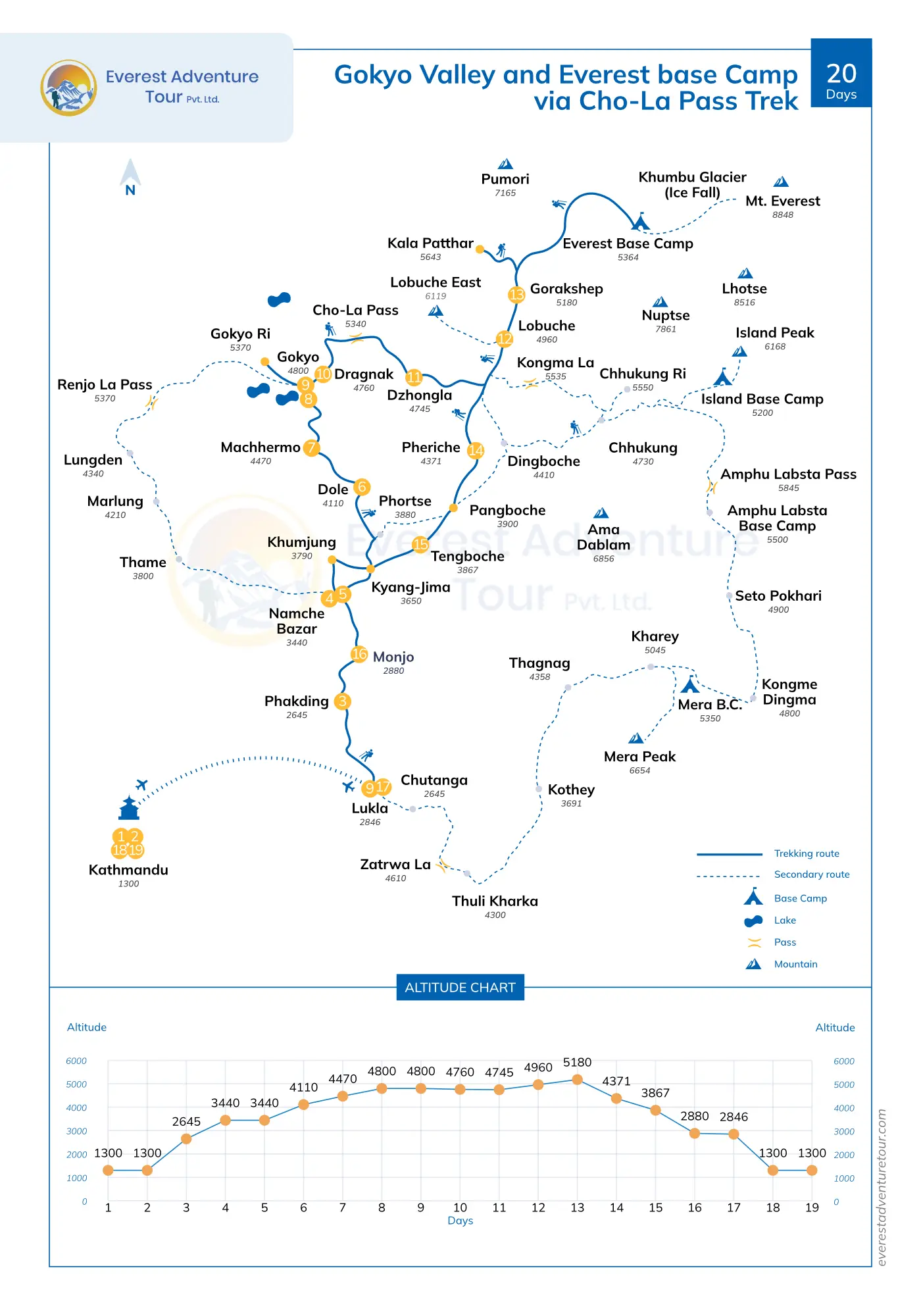
The trek begins from Lukla (2,846 m), a gateway to the Everest region, and passes through Phakding before reaching Namche Bazaar (3,440 m), the main trading hub and acclimatization stop. From Namche, the trail diverts from the classic Everest Base Camp route, heading toward Dole and Machermo, which are small yet scenic Sherpa settlements offering stunning views and peaceful surroundings. Eventually, trekkers reach Gokyo Valley (4,800 m), known for its chain of beautiful glacial lakes and the Ngozumpa Glacier—the longest in the Himalayas. A hike to Gokyo Ri (5,357 m) is a major highlight, offering a wide-angle view of four of the world’s highest peaks: Everest, Lhotse, Makalu, and Cho-Oyu.
Crossing the challenging Cho-La Pass (5,340 m) takes you into the eastern part of Khumbu, reconnecting with the Everest Base Camp trail via Dzongla and Lobuche. From Gorakshep, the final stretch leads to Everest Base Camp (5,364 m) and Kalapathar (5,643 m), a famed viewpoint for sunrise over Mt. Everest. The return journey is equally scenic, passing Pheriche, Tengboche Monastery, and Monjo, eventually ending at Lukla.
Major Highlights:
- Namche Bazaar: Cultural and trading hub.
- Gokyo Lakes: Chain of turquoise glacial lakes.
- Gokyo Ri: Panoramic Himalayan views.
- Cho-La Pass: High-altitude adventure crossing.
- Everest Base Camp: Iconic mountaineering site.
- Kalapathar: Closest view of Mt. Everest.
- Tengboche Monastery: Sacred spiritual site.
Best Time for Gokyo Valley and Everest Base Camp via Cho-La Pass Trek
Choosing the right season is crucial to making the most out of your trek. The Gokyo Valley and Everest Base Camp via Cho-La Pass Trek is best done during spring (March to May) and autumn (September to November). These periods offer stable weather, clear mountain views, and favorable trail conditions.
In spring, the trails come alive with blooming rhododendrons and other alpine flora. Daytime temperatures are moderate, making it comfortable for trekking. This is also a popular time for mountaineering expeditions, so places like Everest Base Camp are bustling with activity. The skies are generally clear, giving excellent views of Everest, Lhotse, and Makalu.
Autumn is considered the best season due to its stable weather, crystal-clear skies, and low chances of rain or snow. Temperatures are slightly cooler than spring, especially at higher elevations, but the visibility is unmatched. After the monsoon rains, the air is clean and crisp, making for excellent photography and scenic vistas.
Seasonal Summary:
- Spring (Mar–May): Blooming trails, moderate temperatures, lively base camp.
- Autumn (Sep–Nov): Best visibility, dry trails, cultural festivals.
- Winter (Dec–Feb): Cold and snow-covered, only for experienced trekkers.
- Monsoon (Jun–Aug): High risk of landslides and poor visibility—generally avoided.
Gokyo Valley and Everest Base Camp via Cho-La Pass Trekking Difficulty Level
The Gokyo Valley and Everest Base Camp via Cho-La Pass Trek is a challenging high-altitude adventure, suitable for physically fit and mentally prepared trekkers. While it does not require technical climbing, it demands good endurance, prior trekking experience, and the ability to adapt to rapidly changing mountain conditions.
The trek reaches altitudes above 5,000 meters, with the highest point being Kalapathar (5,643 m). The Cho-La Pass (5,340 m) is one of the most demanding segments. It involves navigating rocky paths, potential ice and snow, and steep ascents and descents. Weather conditions can make the pass particularly tricky, especially if snow covers the trail.
Acclimatization is critical due to the risk of Acute Mountain Sickness (AMS). Rest days in Namche Bazaar and Gokyo are essential and help the body adjust to the thinner air. Trekkers should follow the "climb high, sleep low" principle and stay well-hydrated.
Difficulty Overview:
- Grade: Strenuous
- Max Altitude: 5,643 m (Kalapathar)
- Daily Walk: 4–8 hours
- Terrain: Steep trails, rocky passes, glacial moraine
- Recommended For: Experienced trekkers, those with high fitness level
Food and Accommodation for Gokyo Valley and Everest Base Camp via Cho-La Pass Trek
Along the trail, food and accommodation are provided by local tea houses, which are simple yet comfortable enough for high-altitude trekking. These lodges are run by Sherpa families and offer a warm, welcoming atmosphere.
Meals typically include dal bhat (rice with lentils and vegetables), noodles, soups, Tibetan bread, momos (dumplings), and occasional Western dishes like pasta or pancakes. In higher altitudes, food options become more limited and expensive due to supply challenges. Safe drinking water is available, either bottled or purified.
Rooms in tea houses are usually twin-sharing with basic furniture—beds, blankets, and sometimes charging points. Bathrooms may be shared and basic, with hot showers available for an additional charge. In peak seasons, early booking is essential, as places like Gokyo and Lobuche can fill up fast.
What to Expect:
- Basic yet cozy tea houses.
- Nutritious local meals (vegetarian-friendly).
- Hot drinks: tea, coffee, hot lemon.
- Hot showers and battery charging (extra cost).
- Warm sleeping bags recommended above 4,000 m.
Network and Communication for Gokyo Valley and Everest Base Camp via Cho-La Pass Trek
Staying connected in the remote Everest region has improved in recent years, but it's still limited and inconsistent, especially in higher altitudes and remote villages like Dzongla or Machermo.
Mobile coverage (NTC and Ncell) is available up to Namche Bazaar and sometimes beyond. However, reception can be weak or non-existent after entering Gokyo Valley or near Cho-La Pass. Many tea houses offer Wi-Fi access (Everest Link or AirLink) for a fee, especially in larger settlements like Namche, Gokyo, and Gorakshep.
It's advisable to inform family or friends in advance that communication may be sporadic during parts of the trek. Satellite phones are used by guides in case of emergencies.
Network Summary:
- Mobile signal: NTC/Ncell in lower areas, weak or none in upper trails.
- Wi-Fi: Available at tea houses (paid).
- Power backup: Solar charging in some lodges.
- Emergency: Guides carry satellite phones.
Gokyo Valley and Everest Base Camp via Cho-La Pass Trekking Transportation
Transportation is a vital aspect of this trek, combining flights, drives, and foot travel. The journey begins with a domestic flight from Kathmandu to Lukla, which takes around 30 minutes. However, due to air traffic in Kathmandu, flights are sometimes diverted to Manthali Airport (Ramechhap), requiring a 4–5 hour drive from Kathmandu the day before the flight.
The rest of the journey is completed on foot, covering various terrains and elevations over 15+ trekking days. Porters and yaks carry your gear, and helicopter options are available in emergencies or for optional exits from Gorakshep.
Transport Summary:
- Flight: Kathmandu ↔ Lukla (or via Manthali).
- Drive: 4–5 hrs if using Ramechhap airport.
- Trekking: Main mode for 15–17 days.
- Helicopter: Available on request (extra charge).
Gokyo Valley and Everest Base Camp via Cho-La Pass Trekking Permits
Trekking in the Everest region requires multiple permits, which Everest Adventure Tour arranges for you before or upon arrival.
The first is the Khumbu Pasang Lhamu Rural Municipality Permit (replaces the old TIMS card), which supports local infrastructure. The second is the Sagarmatha National Park Entry Permit, which is required to enter the protected national park area. If you transit through Manthali, there is no additional permit required for that region.
All these permits will be handled and included in the tour cost.
Required Permits:
- Khumbu Rural Municipality Entry Permit – NPR 2,000 (approx.)
- Sagarmatha National Park Permit – NPR 3,000 (approx.)
- No TIMS card required for the Everest region.
Why Choose Gokyo Valley and Everest Base Camp via Cho-La Pass Trek
This trek is one of the most rewarding Himalayan adventures, offering a chance to explore both the serene Gokyo Valley and the legendary Everest Base Camp. Unlike the traditional EBC trek, this route takes you through quieter, less-trodden paths, past turquoise lakes and across a dramatic high pass, adding both visual and physical variety to your experience.
The Gokyo Ri viewpoint rivals (and arguably surpasses) Kalapathar in terms of panoramic Himalayan views. Crossing the Cho-La Pass adds an element of challenge and adventure, perfect for trekkers seeking more than just Everest Base Camp. This route also introduces you to both the western and eastern regions of Khumbu, offering insight into Sherpa culture and the remote Himalayan lifestyle.
Choosing this trek with Everest Adventure Tour means you’re in safe hands. Our experienced guides, well-designed itinerary, and responsible trekking practices ensure a memorable and safe journey.
Why This Trek?
- Covers two iconic destinations in one trek.
- Scenic, diverse, and culturally immersive.
- Off-the-beaten-path experience through Gokyo Valley.
- Ideal for fit trekkers looking for challenge and reward.
- Organized professionally by Everest Adventure Tour.
Important Note
Trip Itinerary

Max. altitude

Accommodation

Meals
Max. altitude
Accommodation
Meals
Max. altitude
Accommodation
Meals
Max. altitude
Accommodation
Meals
Max. altitude
Accommodation
Meals
Max. altitude
Accommodation
Meals
Max. altitude
Accommodation
Meals
Max. altitude
Accommodation
Meals
Max. altitude
Accommodation
Meals
Max. altitude
Accommodation
Meals
Max. altitude
Accommodation
Meals
Max. altitude
Accommodation
Meals
Max. altitude
Accommodation
Meals
Max. altitude
Accommodation
Meals
Max. altitude
Accommodation
Meals
Max. altitude
Accommodation
Meals
Max. altitude
Accommodation
Meals
Max. altitude
Accommodation
Meals
Max. altitude
Accommodation
Meals
Max. altitude
Accommodation
Meals
Route Map
Includes
- All Arrival and Departure Transfer from airport to hotel and vice-versa, vehicles according to group size.
- Three star hotels in Kathmandu on bed and breakfast basis.
- Domestic airfare from Kathmandu-Lukla-Kathmandu.
- Full board trekking includes twin sharing accommodation on best available local lodges, includes Breakfast, lunch, dinner with afternoon tea / snacks.
- Service of guide, trekking staff as per size of a group with porters.
- Wages, meals, medical allowance of guides, trekking staff and porters.
- Applicable Trekking Permits, includes Sagarmatha National Park Entrance Fees.
- Comprehensive Medical Kit carried by our guide if required for minor wounds and sickness.
- Sightseeing tour around Kathmandu valley as per the itinerary
- Welcome or Farewell dinner in Kathmandu.
Doesn't Include
- Nepal Visa, Personal Medical & Travel Insurance.?
- Expenses of personal nature, meals in Kathmandu and gratitude or tipping for trekking staff, drivers, porters and guide, including extra snacks and refreshments.?
- Personal trekking gear, including sleeping bags and down jackets (if it is not? included on the trip cost).?
- Emergency Evacuation if required by any means of transportation, including? Helicopter Service.?
- Personal medical kit, as advised by you doctors.?
- Early return from the trek due to personal domestic or medical reasons, no refund will be entertained on breaking the journey.
- Excellent customer service. Our travel experts are ready to help you 24/7.
- Best price guaranteed.
- No credit card or booking fees.
- 100% financial protection.
- Environmentally-friendly tours.
Equipment List
- Thermal underwear (top and bottom)
- Moisture-wicking long-sleeved t-shirts
- Moisture-wicking underwear
- Fleece jacket or pullover
- Insulated down or synthetic jacket (lightweight and warm)
- Waterproof, windproof jacket (Gore-Tex or similar)
- Waterproof, windproof pants
- Trekking pants (convertible preferred)
- Warm beanie or wool hat
- Sun hat or baseball cap
- Neck gaiter, buff, or scarf
- Waterproof trousers (for rain and snow)
- Lightweight inner gloves (thermal or liner gloves)
- Insulated outer gloves or mittens (waterproof)
- Waterproof, broken-in hiking boots with ankle support
- Comfortable camp shoes or sandals (for evenings)
- Trekking socks (wool or synthetic, several pairs)
- Gaiters (optional, for snow and mud)
- Trekking backpack (30-40 liters) with rain cover
- Daypack (optional, for short hikes)
- Sleeping bag (rated to at least -10°C / 14°F)
- Insulated sleeping pad or foam mattress
- Adjustable trekking poles (with rubber tips)
- Insulated water bottles or hydration bladder (2-liter capacity recommended)
- Sunglasses with UV protection
- Headlamp with extra batteries
- Power bank and chargers (for electronics)
- Camera and extra batteries/memory cards
- Travel-size toiletries (toothbrush, toothpaste, biodegradable soap)
- Quick-dry towel
- Wet wipes and hand sanitizer
- Sunscreen (high SPF) and lip balm with SPF
- Personal first aid kit (bandages, blister pads, antiseptic, medication)
- Medications for altitude sickness (Diamox if prescribed)
- Pain relievers, anti-diarrheal, antihistamines
- Earplugs (for noisy lodges)
- Notebook and pen
- Portable solar charger (optional)
- Plastic zip-lock bags (to keep gear dry)
- Lightweight stuff sacks or packing cubes
- Snacks (energy bars, nuts, chocolates)
- Reusable water bottle or hydration system
- Small knife or multi-tool
- Passport-size photos (for permits if needed)
Frequently Asked Questions
?It all depends upon the trip cost as per the itinerary set by Everest Adventure Tour. Normally we accommodate trekkers on normal standard lodge having nice rooms with good foods. But if the clients request us to upgrade the standard of lodge accommodation, we will certainly comply with the request and need of our valuable clients. Where the cost will be slightly higher on Luxury type lodges than on budget or standard lodge accommodation.
?Trekkers will be surprised to find good food menu of varieties, from Tibetan, Nepali, Indian and Chinese to Continental. Includes long list of snacks and drinks for the customer delights in most lodges on treks. The lodge accommodation are nice and lovely according to the choices of the trekkers. From budget, standard to luxury accommodation, either attached or non-attached bath and toilets.
Trekkers should remember as the trek leads higher areas around Dingboche, Lobuche and Gorakshep. Where attached bath and toilets are not available due to freezing temperatures in the night and morning. Where all plumbing systems freeze, and stops the flow of water which will be filled with ice.
On higher areas the lodge provides rooms with common toilets and bathrooms, which is much better than having in rooms. Due to harsh climate and terrain conditions, where all trekkers will understand and has to compromise.
However, all lodges are clean with good rooms, having large dining with potbellied stoves to make the environment warm and cozy.
All lodges have hydro-power to run electricity, but from Namche Bazaar the places on overnight stops. Do have electricity run by solar power, where trekkers can charge their electronic items and gadgets. A fee is charged per hour for each items, as for internet and Wi-Fi, have connection. Depending upon the areas in deep gorge and valley, as well weather wise, can be disturbing with bad receptions. The best place is Lukla to Namche Bazaar and Pheriche as well at Tengboche. Other places works well with local SIM, which can be bought in Kathmandu at reasonable cost.
Gokyo & Everest base camp via Cho-La pass involves climb on high altitude, minimum 14 years, to be accompanied by parents or guardian. The oldest of 70 years, but all should be in good physical shape and in sound medical health.
Even though some can take the challenge with some medical problem, should take advice from your doctors and inform the company on booking.
?Besides grand vista of world’s highest mountains like Everest, Lhotse, Cho-Oyu and Makalu with other famous high peaks. One can enjoy grand views of dramatic landscapes, along with impressive cultures of Buddhism. Visiting monasteries and observe the local traditional custom of the Sherpa. If lucky can spot some wild-life like herd of Himalayan Thar, Musk Deer, and Mountain antelopes. ?Including colorful Danfe pheasant, national bird of Nepal, as well flock of snow pigeon and snow cock around higher areas. Snow Leopard also exists around Khumbu areas of Gokyo and en-route Everest base camp, but rarely seen.
This trek requires a good level of physical fitness due to its high altitudes and tough sections like Cho-La Pass. You should begin cardio training (hiking, jogging, cycling) at least 1-2 months prior. Strength training for legs and core is helpful, along with practice hikes carrying a daypack. Mental preparedness is also key, as altitude and terrain can test your endurance. Everest Adventure Tour can also guide you on pre-trek fitness routines.
Lukla flights are often affected by weather delays, especially in the monsoon and winter seasons. In such cases, Everest Adventure Tour makes alternate arrangements like rescheduling the flight or arranging road transport to Ramechhap (Manthali) to catch a later flight. If needed, helicopter charter options are also available at extra cost. We always include a contingency day in the itinerary to accommodate such unexpected changes, ensuring a smooth journey.
Yes, altitude sickness (AMS) is a real concern on this trek as it reaches elevations above 5,000 meters. Everest Adventure Tour includes acclimatization days in Namche and Gokyo to help your body adjust. Our guides are trained to monitor symptoms and respond appropriately. Drinking plenty of water, ascending gradually, and avoiding alcohol are critical. In serious cases, immediate descent or helicopter evacuation may be required. We always prioritize safety over schedule.
While solo trekking is allowed in the Everest region, it's strongly recommended to join a guided trek, especially for challenging routes like Cho-La Pass. The terrain, changing weather, and risk of altitude sickness make it safer to trek with experienced guides and porters. With Everest Adventure Tour, you’ll have professional support, local knowledge, and logistical backup, ensuring you stay safe and make the most of the journey.
Yes, you will need two main permits for this trek: the Sagarmatha National Park Entry Permit and the Khumbu Rural Municipality Permit. Everest Adventure Tour will handle all necessary permits for you, so you don’t need to worry about paperwork or standing in line. These fees contribute to environmental conservation and community development in the region. No TIMS card is required for the Everest region under current regulations.