
- 1 - 1 Person US$ 2,100
- 2 - 5 Person US$ 1,950
- 6 - 12 Person US$ 1,850
- 13 - 20 Person US$ 1,799
Highlights
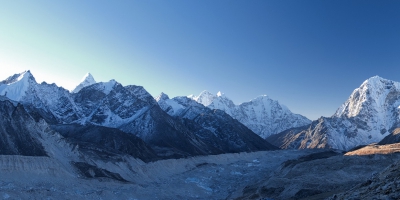
- Crossing three of the highest and most scenic Himalayan passes: Kongma-La (5,535 m), Cho-La (5,420 m), and Renjo-La (5,370 m).
- Trekking above 5,000 meters through stunning alpine landscapes and glacial valleys.
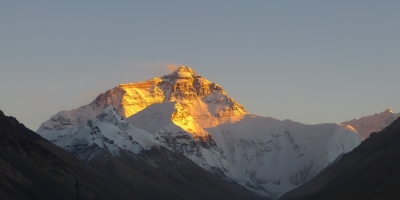
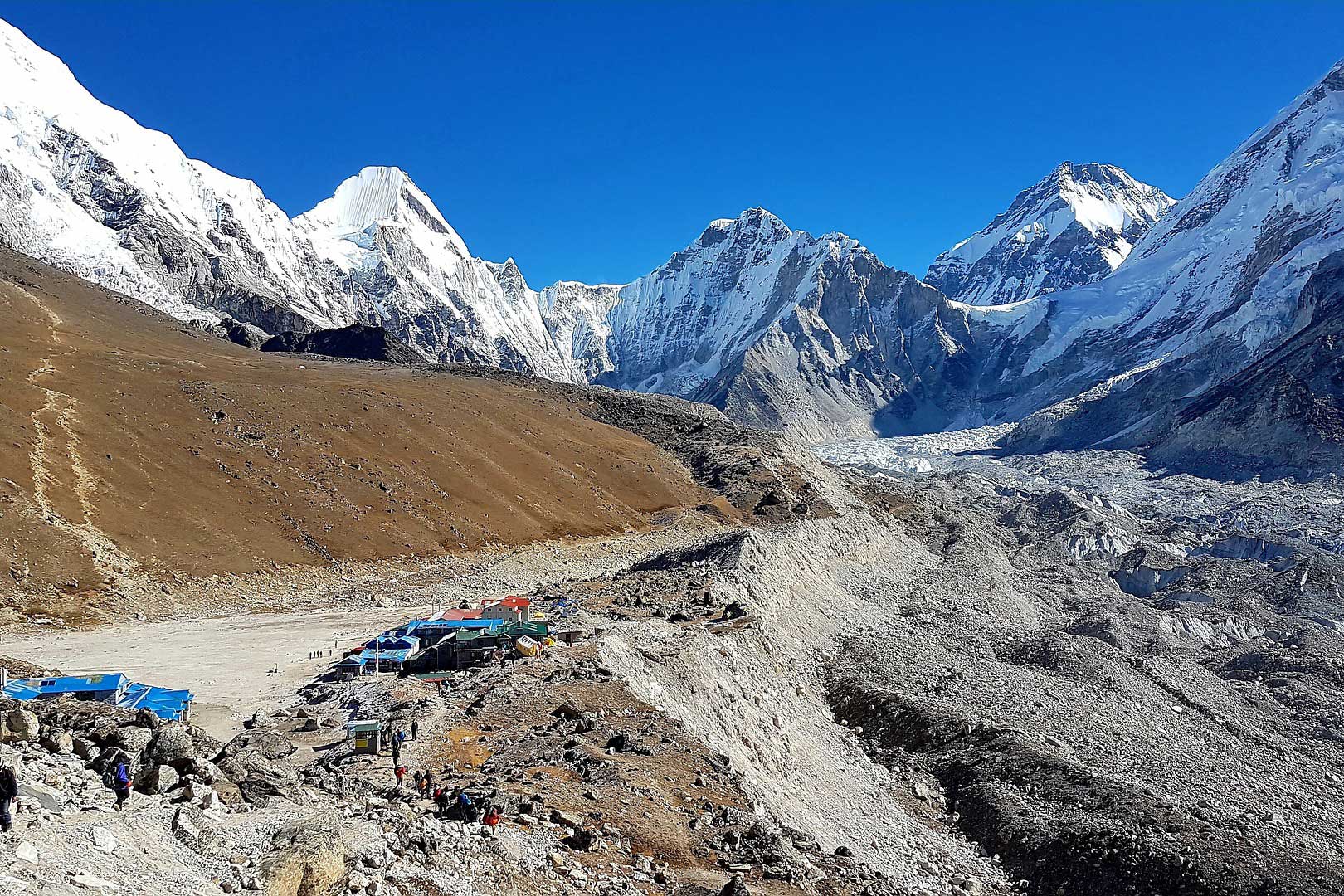
- Visiting the iconic Everest Base Camp, the gateway to the world’s highest peak.
- Climbing Kalapathar (5,643 m) for the closest and most spectacular views of Mt. Everest.
- Witnessing all four of the world’s highest peaks—Everest, Lhotse, Makalu, and Cho-Oyu—from the summit of Gokyo-Ri.
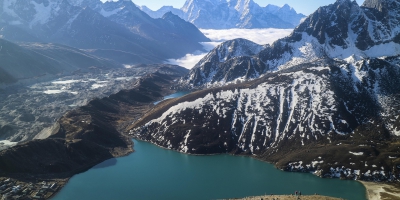
- Exploring the pristine and tranquil Gokyo Lakes and the massive Ngozumpa Glacier.
- Immersing in the rich Sherpa culture and visiting ancient Buddhist monasteries like Tengboche and Thame.
- Walking through charming traditional villages with vibrant local markets and age-old customs.
- Enjoying comfortable lodging in mountain teahouses, with spectacular views of snow-capped peaks every night.
Overview
EVEREST THREE PASSES TREKKING ‘enjoy the great traverse from east to western end of Khumbu valleys’
The Everest Three Passes Trek is the ultimate high-altitude adventure for those seeking to explore the hidden corners and major highlights of the Everest (Khumbu) region in one comprehensive journey. Designed for experienced trekkers and true mountain enthusiasts, this trek circles through the eastern, central, and western valleys of Khumbu, connecting via three formidable and scenic high passes: Kongma-La (5,535 m), Cho-La (5,420 m), and Renjo-La (5,370 m). This adventure offers more than just a walk to Everest Base Camp—it invites you to explore remote trails, shimmering glacial lakes, high ridges, and off-the-beaten-path Sherpa villages.
Unlike traditional base camp treks, the Three Passes Trek is a circular route that not only includes a visit to Everest Base Camp (5,364 m) and the viewpoint of Kalapathar (5,643 m) but also ventures into the pristine Gokyo Valley and scenic Thame region. With Everest Adventure Tour, trekkers enjoy a full lodge-to-lodge experience, staying in comfortable tea houses along the way without the need for tented camping. This makes it a perfect blend of rugged adventure and Himalayan hospitality, with panoramic views of Everest, Lhotse, Makalu, Cho-Oyu, and many more iconic peaks.
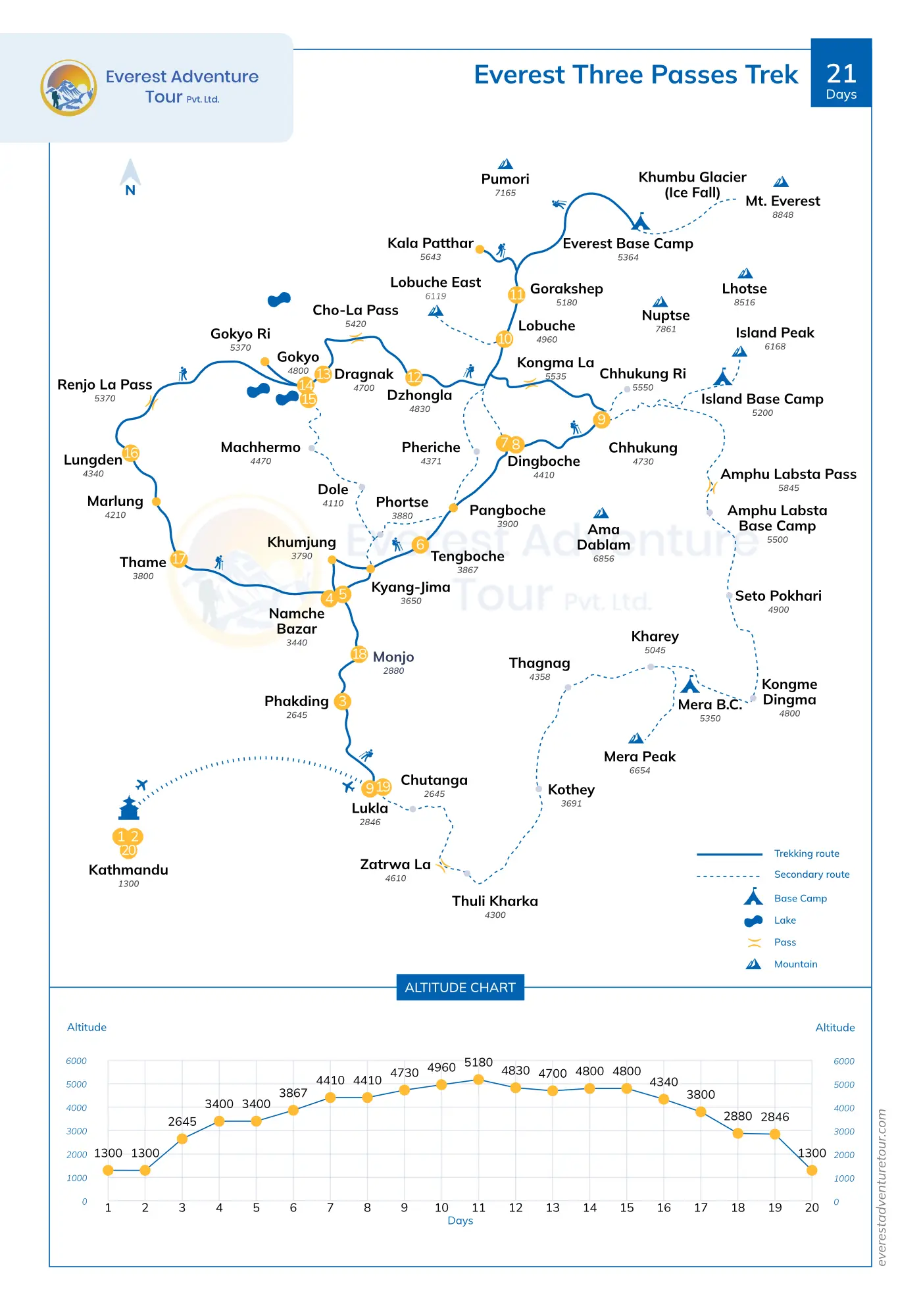
The trek typically begins with an exciting flight to Lukla and gradually ascends through iconic villages like Namche Bazaar, Tengboche, and Dingboche. After proper acclimatization, the adventure begins in earnest with the crossing of Kongma-La Pass, the highest of the three, offering breathtaking views and connecting trekkers to the Everest Base Camp trail. Following a visit to the base camp and the Kalapathar viewpoint, the trail veers westward, crossing Cho-La Pass into the Gokyo Valley, home to a chain of sacred turquoise lakes and Nepal’s largest glacier—Ngozumpa. After a rest day and a hike to Gokyo-Ri (5,357 m), offering one of the most dramatic panoramas in the region, the final pass, Renjo-La, is tackled to descend toward the tranquil village of Thame.
This trek is not only a physical journey across three high passes but a cultural and spiritual immersion into the Sherpa heartland. Ancient monasteries, fluttering prayer flags, mani walls, and welcoming Sherpa hospitality accompany trekkers every step of the way. While challenging at times due to altitude and long trekking days, every summit reached and every valley crossed delivers an unmatched sense of achievement and awe-inspiring Himalayan beauty.
Everest Adventure Tour ensures your trek is safe, comfortable, and unforgettable with experienced guides, proper acclimatization strategies, and contingency plans such as helicopter evacuation options in case of weather delays or personal preference. This is more than a trek—it’s a complete Everest experience, offering the most rewarding circuit in the Himalayas, a journey where every day is a new adventure, and every step brings you closer to the heart of the world’s greatest mountains.
Major Places for Everest Three Passes Trek
The Everest Three Passes Trek takes you through some of the most iconic and culturally rich locations in the Khumbu region. It begins in Lukla, the gateway to Everest, followed by the bustling Sherpa town of Namche Bazaar, renowned as the capital of the Khumbu. Namche is a vibrant market hub and acclimatization spot, offering spectacular views of Everest and Ama Dablam.
From Namche, the trek passes through Tengboche, famous for its ancient monastery that is central to Sherpa culture and spirituality. Afterward, the route heads toward high alpine villages like Dingboche and Chukung, known for their striking mountain vistas and proximity to glaciers. One of the highlights is crossing the Kongma-La Pass, the highest of the three, which offers panoramic views of Everest and surrounding peaks.
The trek then leads to Everest Base Camp and nearby Gorakshep, from where trekkers can climb Kalapathar for breathtaking close-up views of Everest. The route diverts westward through the beautiful Gokyo Valley, home to the serene Gokyo Lakes and the massive Ngozumpa Glacier. The last pass crossed is Renjo-La, providing stunning vistas of the Himalayan range before descending to the quiet Sherpa village of Thame. The journey concludes back at Lukla after passing through Monjo and Namche again.
Best Time for Everest Three Passes Trek
The best time to undertake the Everest Three Passes Trek is during the pre-monsoon (spring) and post-monsoon (autumn) seasons.
- Spring (March to May) offers blooming rhododendrons, warmer temperatures, and clear skies, making it ideal for trekking and photography. The weather is stable, and mountain views are spectacular, though the days can be a bit warmer.
- Autumn (late September to November) is often considered the best time due to its crisp, clear air, stable weather, and outstanding visibility of the Himalayan peaks. Post-monsoon days tend to be sunny and cool, with less dust in the atmosphere.
Winter trekking (December to February) is possible but challenging due to cold temperatures, snow, and limited daylight. The monsoon season (June to August) is generally avoided because of heavy rain, slippery trails, and frequent landslides, although some trekkers enjoy the lush green landscape during this time.
Everest Three Passes Trekking Difficulty Level
The Everest Three Passes Trek is considered moderately to highly difficult, suited for trekkers with a good level of fitness and prior high-altitude experience. The trek involves long trekking days, steep ascents and descents, and crossing three high passes above 5,300 meters, where altitude sickness can be a real concern.
- The altitude and the physical strain of consecutive long days make it a demanding trek.
- Trekkers must be prepared for varying terrain—rocky paths, icy patches, and sometimes slippery trails.
- Proper acclimatization days are built into the itinerary to help mitigate altitude sickness.
- Mental resilience and stamina are essential, especially for the longer days crossing Kongma-La, Cho-La, and Renjo-La passes.
Food and Accommodation for Everest Three Passes Trek
The trek benefits from well-established tea houses and lodges, providing comfort rarely found in such high-altitude treks. Everest Adventure Tour ensures accommodations in clean, cozy mountain lodges that offer warm meals and hot showers at most stops.
- Food options typically include Nepali dishes such as dal bhat (rice and lentils), momos (dumplings), noodles, soups, and some Western favorites like pasta and pancakes.
- Hydration is crucial, so boiled or filtered water and hot beverages like tea and coffee are widely available.
- While basic, the lodges provide comfortable rooms with beds and blankets; some higher altitude stops may have simpler facilities.
- This lodge-to-lodge style trekking removes the need for tent camping, allowing trekkers to rest well each night.
Network and Communication for Everest Three Passes Trek
Mobile network coverage is available in many major villages such as Namche Bazaar, Lukla, and Dingboche, though it becomes patchy and unreliable at higher altitudes and remote sections.
- Internet cafes and Wi-Fi are available in larger villages but may be slow or intermittent.
- Trekkers are advised to purchase a local SIM card with data for better connectivity during the trek.
- Satellite phones and radios are used by guides and agencies for emergency communication in areas with no cell coverage.
- For safety, Everest Adventure Tour provides experienced guides equipped with communication devices.
Everest Three Passes Trekking Transportation
Transportation logistics for this trek primarily include a flight from Kathmandu to Lukla and back. Lukla’s Tenzing-Hillary Airport is known for its short runway and dramatic mountain setting.
- Sometimes, due to weather or air traffic, flights may be diverted to Manthali Airport in Ramechap district, approximately a 4-5 hour drive from Kathmandu, followed by a flight to Lukla.
- On the trek, all movement is on foot, with porters and yaks available to help carry luggage.
- From Lukla, the trek starts on foot along well-marked trails through villages and alpine landscapes.
- The return trip from Lukla to Kathmandu is by plane, offering sweeping views of the Himalayas.
Everest Three Passes Trekking Permits
Trekking in the Everest region requires specific permits, which Everest Adventure Tour arranges on behalf of trekkers:
- TIMS Card (Trekkers’ Information Management System): Required for all trekkers entering the Everest region.
- Sagarmatha National Park Permit: Mandatory for trekking in the protected park area, which covers Everest Base Camp and surrounding regions.
- Additional permits may be needed for restricted areas or during certain times of the year, all handled efficiently by the company to ensure smooth trekking.
Why Choose Everest Three Passes Trek
Choosing the Everest Three Passes Trek with Everest Adventure Tour means embarking on a comprehensive and unforgettable journey across the heart of the Himalayas, combining natural grandeur, cultural richness, and physical challenge.
- It offers a unique circuit that explores diverse valleys, passes, and landscapes, going beyond the standard Everest Base Camp trek.
- The lodge-to-lodge format ensures comfort and warmth, allowing trekkers to focus on the experience rather than camping logistics.
- The company provides experienced guides and support teams that prioritize safety, acclimatization, and client satisfaction.
- The trek includes iconic landmarks such as Everest Base Camp, Kalapathar, Gokyo Lakes, and three high passes, providing a panoramic and varied Himalayan experience.
- Everest Adventure Tour’s contingency plans (helicopter evacuations, flexible itineraries) guarantee a safe and well-managed trek, even in challenging weather or emergencies.
- This trek is ideal for those looking for an adventure of a lifetime, combining trekking, culture, nature, and breathtaking Himalayan vistas in one epic journey.
Important Note
Trip Itinerary
Upon your arrival at Tribhuvan International Airport, Kathmandu, after completing visa formalities and collecting your baggage, you will be warmly welcomed by the staff of Everest Adventure Tour. A short transfer takes you to your comfortable hotel in the heart of Kathmandu. After settling in and refreshing yourself, you will gather in the hotel lobby with fellow trekkers for an important pre-trek briefing led by our expert guide and trek leader. This session provides comprehensive information about the Everest Three Passes Trek, including the itinerary, safety tips, cultural etiquette, and environmental responsibilities. Additionally, you will learn about Kathmandu’s rich culture and customs, alongside do’s and don’ts to ensure a respectful visit. The evening concludes with a delicious welcome dinner featuring authentic Nepali cuisine, accompanied by a lively cultural program showcasing traditional music and dance, setting a festive and warm tone for your upcoming adventure.

Max. altitude

Accommodation

Meals
Max. altitude
Accommodation
Meals
Max. altitude
Accommodation
Meals
Max. altitude
Accommodation
Meals
A leisure and free day, for short hike higher up to support acclimatization before heading higher ground.
Places of interest in Namche Bazaar for short hikes:?The best and short hike above Namche Bazaar climb up to Park Museum, which is at approx. 3,550 m. An interesting place situated on a high ridge facing grand vista of Everest, Lhotse, Nuptse with majestic Ama Dablam. Includes views of Kantega, Tharmasarku and Kwangde range of peaks with Khumbila, the patron god of Khumbu Sherpa. Enjoy tour of the museum nearby provides full information of Khumbu area, cultures and flora/ fauna.
The next good hike for few hours climb to Syangboche ridge with a small old airstrip. From here continue walk up to Everest View Hotel, located on a high green hill covered in beautiful forest. One of the world’s first luxury deluxe hotels and of Khumbu area, built in 1971. Has been listed on the Guinness Book of World Record in 2004 as the highest placed hotels. At the height of 3,962 m / 13,000 feet, enjoy the serene surrounding with views of Mt. Everest.
Optional Hike to Khumjung and Khunde villages, located down from Everest View Hotel on a wide glacial valley. Beneath Mt. Khumbila, Khumjung with 500 years old Gompa / monastery treasures a scalp believed to be of a Yeti.
Continue walk to Khunde, the first and only hospital of Khumbu built by late Sir Edmund Hillary. From here follow a pleasant trail and steep downhill back to Namche Bazaar.
Max. altitude
Accommodation
Meals
Max. altitude
Accommodation
Meals
Max. altitude
Accommodation
Meals
Today is a crucial rest and acclimatization day to help your body adjust to the high altitude at Dingboche. Trekkers can opt for a gentle hike to Nakarjung Hill, a nearby scenic peak that offers panoramic views of the surrounding Himalayas. The climb takes a few hours and provides breathtaking sights of the North Face of Ama Dablam and the impressive Island Peak. This short trek not only aids acclimatization but rewards with stunning views that make the effort worthwhile. The afternoon is free to relax and explore the charming village of Dingboche, allowing trekkers to enjoy the peaceful atmosphere, interact with locals, or simply rest and prepare for the days ahead on this challenging adventure.
Max. altitude
Accommodation
Meals
Max. altitude
Accommodation
Meals
Max. altitude
Accommodation
Meals
Leaving Lobuche, after an early breakfast for another long day walk to Everest base camp. Starts with nice pleasant morning walks, then reaching above Khumbu glacier, walk over rocky moraine and descend to Gorakshep. A small settlement with 3-4 nice lodges beneath the rocky black hill of Kalapathar and Mt. Pumori.
After a refreshing stop, continue walk heading east to Everest base camp, the trail follows on rocks and sandy path. The route leads to short ups and down reaching the Khumbu glacier at Everest base camp. Enjoy the dramatic landscapes similar to arctic zone covered in ice, snow and moraine amidst towering giant peaks.?Great close views of Khumbu Ice-Fall and glaciers, but Mt. Everest is blocked by Lhotse, Nuptse and Lola peaks. The places is busy with mountaineers during high season of climbing from March to May. After an overwhelming experience head back to Gorakshep for overnight stop.
Max. altitude
Accommodation
Meals
On achieving the first major goal, another highlights to complete for climb to the highest top of Kalapathar hill. Start, early morning taking a slow and easy pace enjoying the surrounding scenery, after few hour of strenuous climb. ?Reach on the highest point of the adventure, for every hard effort rewards you with stunning panorama of snow-capped peaks. Enjoy the fantastic closest views of Mt. Everest, Lhotse and Nuptse with Mt. Pumori close ahead.
After an overwhelming scenic panorama descend to Gorakshep for return journey, having breakfast walk downhill to Lobuche. From here walk on the main trail, and before Thugla, our route diverts heading west towards Cho-La Pass. Reaching an isolated small settlement of Dzongla for overnight, before the climb to Cho-La the second pass of the adventure.
Max. altitude
Accommodation
Meals
Max. altitude
Accommodation
Meals
Max. altitude
Accommodation
Meals
Max. altitude
Accommodation
Meals
Max. altitude
Accommodation
Meals
From Lungden, enjoy the fresh morning walk on long downhill to reach western end of Khumbu valley at Thame village. Enjoying the glorious views of Kwangde range of peaks, a slow descend leads to a junction. Where route to Tibet / China border and Thame joins, walk heads further down to Marlung a nice small village.
As walk leads to cross a bridge over Bhote Koshi River, that flows from Tibet side of mountains. Slowly after few hours walks reaching a windswept and barren country at Thame village for overnight stop. Thame a nice place seldom visited by main flow of trekkers, time permitting a short hike to an interesting old monastery. Located atop Thame village and the valley, facing grand views of snow-capped peaks. Thame with few nice simple lodges for travelers on route to Renjo-La and Rolwaling valley.
Max. altitude
Accommodation
Meals
After completing all three passes of Everest, today an easy walks to Namche Bazaar, and then to Monjo. Morning starts down to a river, after crossing a small bridge, a short climb up then on winding trail. As walk leads back into tall tree lines, past Thamo village with main Hydro power of Khumbu area.
The trail follows to another hour with few ups and down to Namche Bazaar for possible lunch stop. Afternoon walk on the main trail down to Dudh Koshi River, then reaching Jorsalle. On leaving this small village cross over a bridge and then short steep up, reaching the national park exit. A short walk from the park to lovely Monjo village for overnight stop in the comfort of a nice lovely lodge.
Max. altitude
Accommodation
Meals
Max. altitude
Accommodation
Meals
Max. altitude
Accommodation
Meals
Max. altitude
Accommodation
Meals
Route Map
Includes
- All Arrival and Departure Transfer from airport to hotel and vice-versa, vehicles according to group size.
- Three star hotels in Kathmandu on bed and breakfast basis.
- Domestic airfare from Kathmandu-Lukla-Kathmandu.
- Full board trekking includes twin sharing accommodation on best available local lodges, includes Breakfast, lunch, dinner with afternoon tea / snacks.
- Service of guide, trekking staff as per size of a group with porters.
- Wages, meals, medical allowance of guides, trekking staff and porters.
- Applicable Trekking Permits, includes Sagarmatha National Park Entrance Fees.
- Comprehensive Medical Kit carried by our guide if required for minor wounds and sickness.
- Sightseeing tour around Kathmandu valley as per the itinerary
- Welcome or Farewell dinner in Kathmandu.
Doesn't Include
- Nepal Visa, Personal Medical & Travel Insurance.?
- Expenses of personal nature, meals in Kathmandu and gratitude or tipping for trekking staff, drivers, porters and guide, including extra snacks and refreshments.?
- Personal trekking gear, including sleeping bags and down jackets (if it is not? included on the trip cost).?
- Emergency Evacuation if required by any means of transportation, including? Helicopter Service.?
- Personal medical kit, as advised by you doctors.?
- Early return from the trek due to personal domestic or medical reasons, no refund will be entertained on breaking the journey.
- Excellent customer service. Our travel experts are ready to help you 24/7.
- Best price guaranteed.
- No credit card or booking fees.
- 100% financial protection.
- Environmentally-friendly tours.
Reviews
Happy couple trek
Babu was great. Everest base camp and 3 passes complete. Mega hotel.was great. Highly recommend. We' could leave Pur luggage for free. It all returned safely. Free breakfast, very nice food. Very nice staff. My favourite hotel in nepal. It is worth the extra few dollars Very lean, hot water, flexible check in and put times. Highly recommended

Equipment List
- Thermal underwear (top and bottom)
- Moisture-wicking long-sleeved t-shirts
- Moisture-wicking underwear
- Fleece jacket or pullover
- Insulated down or synthetic jacket (lightweight and warm)
- Waterproof, windproof jacket (Gore-Tex or similar)
- Waterproof, windproof pants
- Trekking pants (convertible preferred)
- Warm beanie or wool hat
- Sun hat or baseball cap
- Neck gaiter, buff, or scarf
- Waterproof trousers (for rain and snow)
- Lightweight inner gloves (thermal or liner gloves)
- Insulated outer gloves or mittens (waterproof)
- Waterproof, broken-in hiking boots with ankle support
- Comfortable camp shoes or sandals (for evenings)
- Trekking socks (wool or synthetic, several pairs)
- Gaiters (optional, for snow and mud)
- Trekking backpack (30-40 liters) with rain cover
- Daypack (optional, for short hikes)
- Sleeping bag (rated to at least -10°C / 14°F)
- Insulated sleeping pad or foam mattress
- Adjustable trekking poles (with rubber tips)
- Insulated water bottles or hydration bladder (2-liter capacity recommended)
- Sunglasses with UV protection
- Headlamp with extra batteries
- Power bank and chargers (for electronics)
- Camera and extra batteries/memory cards
- Travel-size toiletries (toothbrush, toothpaste, biodegradable soap)
- Quick-dry towel
- Wet wipes and hand sanitizer
- Sunscreen (high SPF) and lip balm with SPF
- Personal first aid kit (bandages, blister pads, antiseptic, medication)
- Medications for altitude sickness (Diamox if prescribed)
- Pain relievers, anti-diarrheal, antihistamines
- Earplugs (for noisy lodges)
- Notebook and pen
- Portable solar charger (optional)
- Plastic zip-lock bags (to keep gear dry)
- Lightweight stuff sacks or packing cubes
- Snacks (energy bars, nuts, chocolates)
- Reusable water bottle or hydration system
- Small knife or multi-tool
- Passport-size photos (for permits if needed)
Frequently Asked Questions
It is not a difficult adventure crossing Everest Three Passes, can be quite touch and challenging in deep snows. If the some passes are closed due to heavy snow, our guide will divert and reroute to safe areas. The Three passes trek can be tough, where all trekkers should be aware of. As the adventure leads to high altitude above 5,000 meters high, but we have set the itinerary days flexible.?Having enough time for acclimatization, as well having shorter days in some parts of the walks. However choosing the right season and with best guide of Everest Adventure Tour will be best to enjoy this exciting adventure.
Trekkers will be surprised to find good food menu of varieties, from Tibetan, Nepali, Indian and Chinese to Continental. Includes long list of snacks and drinks for the customer delights in most lodges on treks. The lodge accommodation are nice and lovely according to the choices of the trekkers. From budget, standard to luxury accommodation, either attached or non-attached bath and toilets.
Trekkers should remember as the trek leads higher areas around Dingboche, Lobuche and Gorakshep. Where attached bath and toilets are not available due to freezing temperatures in the night and morning. Where all plumbing systems freeze, and stops the flow of water which will be filled with ice.
On higher areas the lodge provides rooms with common toilets and bathrooms, which is much better than having in rooms. Due to harsh climate and terrain conditions, where all trekkers will understand and has to compromise.
However, all lodges are clean with good rooms, having large dining with potbellied stoves to make the environment warm and cozy.
The only simple accommodation and foods will be in Dzongla, Thaknag and Lungden, rest of the major villages and settlements. Provides better room accommodation and range of foods quality.
All lodges have hydro-power to run electricity, but from Namche Bazaar the places on overnight stops. Do have electricity run by solar power, where trekkers can charge their electronic items and gadgets. A fee is charged per hour for each items, as for internet and Wi-Fi, have connection. Depending upon the areas in deep gorge and valley, as well weather wise, can be disturbing with bad receptions. The best place is Lukla to Namche Bazaar and Pheriche as well at Tengboche. Other places works well with local SIM, which can be bought in Kathmandu at reasonable cost.
?Everest Three Passes involves high altitude and crossing over 5,000 meters passes. Some days can be quite longer as per ones physical fitness and experience on outdoor activities. The minimum age we allow is above 16 years, and maximum age of 70 years. But all should be in good physical shape and in sound medical health and having medical and travel insurance for this adventurous treks.
?As this trek involves high altitude, anything can happen like normal sickness or altitude sickness like AMS (Acute Mountain Sickness).
All trekkers when booked with Everest Adventure Travel needs to purchase Travel and Medical Insurance. Which should cover expenses of immediate and fast transportation like Helicopter with all medical bills incurred. The Travel insurance should cover in case if one has to use helicopter services, if the flight get delayed or cancelled. The other reasons is if the trail is blocked by sudden landslides or avalanches, as well with heavy snow-fall. Where trekkers have to return back to Kathmandu due to bad weather or unfortunate incidents.
The best seasons to trek the Everest Three Passes are pre-monsoon (March to May) and post-monsoon (late September to November) when the weather is clear, temperatures are moderate, and mountain views are spectacular. Winter can be extremely cold and risky due to snow on the passes, while the monsoon season brings heavy rains and landslides, making trekking hazardous. Proper gear and weather monitoring are essential during the trek.
Daily trekking hours vary between 4 to 8 hours depending on the stage and difficulty of the route. Some days involve moderate trekking on gentle slopes, while others, especially on the high passes like Kongma-La, Cho-La, and Renjo-La, can be long and strenuous. The itinerary includes rest and acclimatization days to help trekkers recover and adjust to altitude.
Altitude sickness is a potential risk on any trek above 3,000 meters, and the Everest Three Passes Trek reaches elevations over 5,000 meters. Proper acclimatization days are included in the itinerary to reduce this risk. Staying hydrated, ascending slowly, and listening to your body are vital. Experienced guides from Everest Adventure Tour monitor trekkers closely and can arrange medical help or evacuation if needed.
Trekkers should bring layered clothing suitable for cold mountain conditions, including thermal innerwear, insulated jackets, waterproof outer layers, sturdy trekking boots, gloves, hats, and sunglasses. Trekking poles, a sleeping bag, and a daypack are essential. Since the weather can change rapidly, carrying rain gear and warm clothing for nights at high altitude is crucial for comfort and safety.
Most trekkers begin by flying from Kathmandu to Lukla, which is the gateway to the Everest region. Lukla’s airport offers a scenic but sometimes weather-dependent flight. In rare cases when flights are diverted due to weather or air traffic, travelers may be transferred to Manthali Airport and take a road journey to Lukla. From Lukla, the trek follows established trails through villages and scenic landscapes into the heart of the Khumbu region.