
- 1 - 1 Person US$ 1,750
- 2 - 4 Person US$ 1,650
- 5 - 9 Person US$ 1,599
- 10 - 15 Person US$ 1,450
- 16 - 20 Person US$ 1,399
Highlights
- Exploring UNESCO World Heritage Site - Kathmandu Durbar Square, Swyambhunath Stupa, Buddhist Stupa, and Pashupatinath
- Trekking at the foot of Mt. Everest amidst the world’s highest mountain range
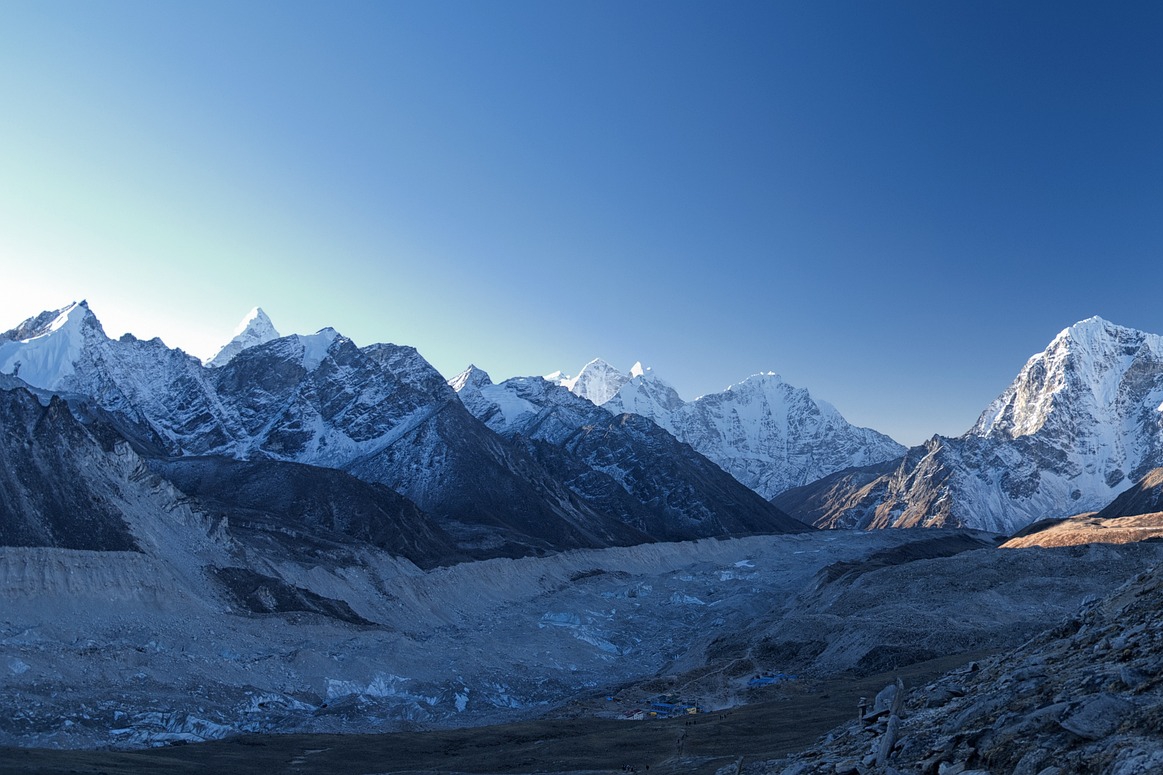
- Climbing Kalapathar hill for the closest, breathtaking views of Mt. Everest
- Immersive adventure blending rich Sherpa culture with stunning Himalayan scenery
- Following the historic route of legendary mountaineers to Everest Base Camp
- Exploring Sagarmatha National Park, a UNESCO World Heritage Site rich in unique flora and fauna
- Visiting vibrant Sherpa villages like Namche Bazaar and Tengboche with famous monasteries
- Witnessing the dramatic Khumbu Glacier and the challenging Khumbu Icefall
- Experiencing traditional Sherpa hospitality and local cuisine along the trail
- Opportunity to spot rare wildlife such as the Himalayan Thar, snow leopards, and red pandas
- Enjoying panoramic mountain vistas including Ama Dablam, Lhotse, Nuptse, and Makalu
- Experiencing the thrill of flying into Lukla, one of the most scenic and exciting airports in the world
Overview
EVEREST BASE CAMP TREKKING ‘adventure on the foot of world’s highest Mt. Everest and Mt. Lhotse.’
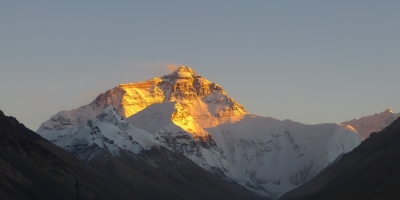
The Everest Base Camp (EBC) Trek, offered by Everest Adventure Tour, is a quintessential adventure that takes travelers on a journey to the foot of the world’s highest peak, Mt. Everest (8,848.86 meters), and its neighboring giant, Mt. Lhotse. This trek is not just a walk in the mountains; it is an immersive experience into the Himalayan culture, rugged landscapes, and the legendary mountaineering history that has fascinated adventurers for decades. Since Sir Edmund Hillary and Tenzing Norgay’s historic summit in 1953, the route to Everest Base Camp has attracted thousands of trekkers, mountaineers, and explorers from around the globe every year.
Starting with a scenic flight into Lukla, known for its dramatic runway and stunning mountain vistas, the trek moves through charming Sherpa villages such as Namche Bazaar and Tengboche. These villages offer a unique blend of traditional Himalayan lifestyle and modern influences, with bustling markets, colorful monasteries, and warm hospitality from the local Sherpa people. Trekking through the Sagarmatha National Park, a UNESCO World Heritage Site, hikers enjoy breathtaking views of towering peaks, rhododendron forests, and rare Himalayan wildlife. The trek culminates at the Everest Base Camp itself, located amidst the Khumbu Glacier, where trekkers witness the awe-inspiring Khumbu Icefall and the iconic backdrop of the Everest massif.
Key highlights:
- Starts at Lukla Tenzing-Hillary Airport, a gateway to the Himalayas
- Passes through Sherpa cultural hubs like Namche Bazaar and Tengboche
- Trekking within Sagarmatha National Park (UNESCO World Heritage Site)
- Stunning views of Everest, Lhotse, Ama Dablam, and other Himalayan giants
- Reaching Everest Base Camp and nearby Kalapathar viewpoint for panoramic mountain vistas
Major Places for Everest Base Camp Trek
The trek to Everest Base Camp is marked by a series of significant stops, each with its own unique charm and cultural importance. Everest Adventure Tour ensures trekkers experience these places fully to appreciate the Himalayas’ natural beauty and the rich Sherpa heritage.
- Lukla: The adventure begins in Lukla, a small mountain town with a bustling airport that offers dramatic mountain runway views. It acts as the launchpad for the trek and has basic trekking gear shops and guesthouses.
- Namche Bazaar: Known as the Sherpa capital, this vibrant market town is a cultural melting pot where trekkers acclimatize. It’s the hub for trekking permits and offers an array of shops, cafes, and traditional Sherpa architecture. A Saturday market here is particularly lively.
- Tengboche: Home to the famous Tengboche Monastery, this village offers spiritual solace and incredible panoramic views of Everest, Ama Dablam, and Lhotse. The monastery itself is an important religious site for Sherpa Buddhists.
- Pangboche: The last permanent village on the trek, known for its traditional Sherpa lifestyle and another ancient monastery. It represents the last cultural stop before entering the high alpine environment.
- Dingboche and Lobuche: These high-altitude villages serve as crucial acclimatization points with stunning views of surrounding peaks. Dingboche is known for its fertile valleys and the nearby Imja Tse (Island Peak).
- Gorakshep: The final settlement before Everest Base Camp, Gorakshep is a small hamlet serving as a base for trekkers aiming to reach EBC and Kalapathar.
Everest Base Camp & Kalapathar: The main goal of the trek, EBC sits on the Khumbu Glacier and serves as the staging area for Everest expeditions. Kalapathar is a short climb offering arguably the best panoramic views of Everest and its neighboring peaks.
Major places summary:
- Lukla (starting point)
- Namche Bazaar (cultural hub & acclimatization)
- Tengboche (monastery & panoramic views)
- Pangboche (last permanent village)
- Dingboche & Lobuche (high-altitude acclimatization)
- Gorakshep (last settlement before EBC)
- Everest Base Camp & Kalapathar (highlight & viewpoint)
Best Time for Everest Base Camp Trek
Choosing the right season for the Everest Base Camp Trek is crucial for safety, comfort, and the best possible experience. Everest Adventure Tour recommends trekking during two primary windows: pre-monsoon (spring) and post-monsoon (autumn), both offering ideal weather and clear views.
- Spring (March to May): This is one of the most popular trekking seasons. Temperatures are warmer, rhododendron forests bloom in vibrant colors, and the skies tend to be clear. This season offers excellent conditions for trekking and stunning mountain views. However, it can be busy, especially in April and May.
- Autumn (late September to November): Another favorite trekking season due to stable weather, crisp air, and clear skies. Post-monsoon conditions make for the best visibility of the Himalayan range. This period is slightly cooler than spring but still very comfortable for trekking.
- Winter (December to February): The trek is possible but cold, with harsh weather and snow on higher trails. This period sees fewer trekkers, ideal for those seeking solitude and are well-prepared for cold conditions.
- Monsoon (June to early September): Not recommended due to heavy rainfall, landslides, and poor visibility, which makes trekking hazardous.
Best time highlights:
- Spring (March-May): Warmer, blooming rhododendrons, clear views
- Autumn (Sept-Nov): Stable weather, best visibility, crisp air
- Winter (Dec-Feb): Cold and less crowded, for experienced trekkers
- Monsoon (Jun-Aug): Avoid due to rain and dangerous conditions
Everest Base Camp Trekking Difficulty Level
The Everest Base Camp Trek is considered moderately challenging, suitable for trekkers with good fitness levels and some previous trekking experience. It is not a technical climb, but the high altitude and rugged terrain require proper acclimatization and physical preparedness. Everest Adventure Tour carefully plans each itinerary with acclimatization days and gradual elevation gains to minimize altitude sickness risks.
The trek covers approximately 130 kilometers (round trip) over 12-16 days, including rest and acclimatization days. Daily trekking distances range from 5 to 8 hours on uneven and rocky trails. The altitude gain from Lukla (2,860 meters) to Everest Base Camp (5,364 meters) is significant, requiring trekkers to move slowly and steadily.
Physical fitness, mental resilience, and proper gear are essential. Trekkers need to be comfortable walking uphill and downhill for multiple hours each day and prepared for sudden weather changes. The terrain includes steep ascents, narrow trails, rocky passes, and occasional snow patches in colder seasons. However, the stunning scenery, cultural encounters, and the ultimate reward of standing at the foot of Everest make the effort worthwhile.
Difficulty level points:
- Moderate to challenging trek with high altitude (up to 5,364 m)
- Requires good physical fitness and stamina
- Daily trekking duration: 5-8 hours on rugged trails
- Acclimatization days essential to avoid altitude sickness
- Non-technical but physically demanding due to altitude and terrain
- Weather can be unpredictable; proper gear necessary
Food and Accommodation for Everest Base Camp Trek
One of the most essential aspects of any trek is the availability of good food and comfortable accommodation, and the Everest Base Camp Trek provided by Everest Adventure Tour excels in this regard. Along the trekking route, you will find a series of well-established tea houses and lodges that cater to trekkers’ basic needs. These lodges, though simple, provide warm hospitality, a cozy place to rest after long days on the trail, and meals that are surprisingly hearty given the remote location. The food menu generally consists of a mix of local Nepali dishes such as dal bhat (lentil soup with rice), momo (dumplings), and noodle soups, along with more international options like pasta, pancakes, and fried rice. Given the high altitude and physically demanding nature of the trek, calorie-dense foods and warm beverages are vital for maintaining energy levels.
Accommodation options range from basic shared rooms with cold showers in lower altitudes to slightly better-equipped lodges in higher villages like Namche Bazaar and Tengboche. Electricity and hot showers are generally available but may come at an additional cost. Due to the remote location and limited supply chain, the prices for food and lodging tend to increase the higher you go, so budgeting accordingly is important. Everest Adventure Tour carefully selects lodges that provide cleanliness, good hygiene, and a safe environment to ensure your comfort throughout the trek. Staying overnight in these mountain villages also offers the chance to interact with local Sherpa families, learn about their culture, and experience genuine Himalayan hospitality.
Summary points:
- Tea houses and lodges along the route provide food and accommodation
- Local Nepali and international food available: dal bhat, momos, noodles
- Basic to moderate lodging with shared rooms and optional hot showers
- Increasing cost of food and lodging at higher altitudes
- Opportunity to experience Sherpa hospitality and culture
Network and Communication for Everest Base Camp Trek
Communication infrastructure along the Everest Base Camp trek has significantly improved in recent years, thanks to increased mobile network coverage and satellite technology. Everest Adventure Tour ensures that trekkers stay connected for safety and convenience. Most villages along the route, including Lukla, Namche Bazaar, and Tengboche, have mobile phone towers with coverage from Nepali providers such as Ncell and Nepal Telecom. Many lodges offer Wi-Fi services, although the connection may be slow and intermittent at higher elevations.
For trekkers concerned about reliable communication, purchasing a local SIM card upon arrival in Kathmandu is highly recommended. This allows you to stay connected for calls, messaging, and basic internet access. Additionally, some lodges provide satellite phone rental or charging facilities in case of emergencies. Emergency communication is vital in the high-altitude environment where weather or health-related incidents can occur unexpectedly. Guides and porters are generally equipped with radios or satellite phones to maintain contact with the base camp or office for assistance. With these improvements, the Everest Base Camp Trek balances the thrill of remote wilderness with modern connectivity, ensuring trekkers can stay in touch with family or access vital information.
Summary points:
- Mobile network coverage available from major Nepali providers
- Wi-Fi offered in many lodges, connection may be slow or unreliable at altitude
- Local SIM cards recommended for better connectivity
- Satellite phones and radios used for emergency communication
- Guides and support staff maintain contact for safety
Everest Base Camp Trekking Transportation
Transportation logistics are a critical part of the Everest Base Camp Trek organized by Everest Adventure Tour, starting from your arrival in Kathmandu to the final return journey. The adventure begins with an exciting domestic flight from Kathmandu to Lukla, a small mountain airstrip that serves as the gateway to the Everest region. This flight, approximately 30 to 40 minutes long, offers spectacular aerial views of the Himalayan range and is considered one of the most thrilling flights worldwide due to Lukla’s short and challenging runway.
Once in Lukla, trekking is entirely on foot, as motorized vehicles are not permitted along the trail beyond this point. All supplies, luggage, and equipment are carried by porters or yaks. On the return journey, trekkers also fly back from Lukla to Kathmandu, completing the loop. However, weather conditions can often delay or divert flights, sometimes requiring alternate transportation arrangements such as road travel from Ramechap’s Manthali Airport, approximately a 4-5 hour scenic drive to Kathmandu. Everest Adventure Tour carefully manages these logistics and keeps clients informed about any changes to ensure a smooth and safe transit experience.
Summary points:
- Domestic flight from Kathmandu to Lukla to start the trek
- Trekking on foot with porters/yaks carrying supplies
- Return flight from Lukla to Kathmandu; possible flight delays or diversions
- Alternate transport via Manthali Airport with road transfer if needed
- Spectacular aerial views on the Lukla flight
Everest Base Camp Trekking Permits
Permits are an essential legal requirement for trekking in the Everest region, and Everest Adventure Tour assists trekkers in obtaining all necessary permits for a hassle-free journey. The primary permits required for the Everest Base Camp Trek include the Sagarmatha National Park Entry Permit and the Trekkers’ Information Management System (TIMS) Card.
The Sagarmatha National Park Entry Permit is issued by the Nepal government to regulate tourism and preserve the fragile ecosystem of this UNESCO World Heritage Site. It is mandatory for all trekkers entering the park and is usually checked at park entry points along the trail. The TIMS card helps track and monitor trekkers in Nepal for safety and security reasons. It is issued by the Nepal Tourism Board or authorized trekking agencies.
Everest Adventure Tour ensures that all permits are processed in advance to avoid any complications during the trek. It is important for trekkers to carry copies of these permits and present them when requested by authorities. These permits also contribute to local conservation efforts and community development, ensuring sustainable tourism in the Everest region.
Summary points:
- Sagarmatha National Park Entry Permit mandatory for trekking inside the park
- Trekkers’ Information Management System (TIMS) Card required for all trekkers
- Permits managed and processed by Everest Adventure Tour for convenience
- Permits contribute to environmental conservation and local community support
- Carry original permits during the trek for official checks
Why Choose Everest Base Camp Trek with Everest Adventure Tour
Choosing the right trekking company can significantly enhance your Everest Base Camp experience, and Everest Adventure Tour stands out for its dedication, expertise, and personalized service. With years of experience operating in the Everest region, the company offers well-organized itineraries that balance adventure with safety, cultural immersion, and comfort. From the moment you arrive in Kathmandu until your departure, Everest Adventure Tour ensures seamless logistics, including flights, permits, guides, porters, accommodation, and emergency support.
The company prides itself on its knowledgeable, experienced, and friendly guides who are experts in high-altitude trekking and Sherpa culture. They provide invaluable insights into the region’s history, flora, fauna, and customs while prioritizing your health and acclimatization. Moreover, the use of trained porters reduces the physical burden on trekkers, making the journey more enjoyable. Everest Adventure Tour’s commitment to sustainable and responsible tourism also ensures that your trek contributes positively to the local communities and environment. Choosing this company means embarking on a safe, rewarding, and unforgettable adventure to the roof of the world.
Summary points:
- Experienced and reliable trekking company with local expertise
- Well-organized itineraries with comprehensive logistics and support
- Knowledgeable guides emphasizing safety, culture, and acclimatization
- Use of trained porters for comfortable trekking experience
- Commitment to sustainable tourism benefiting local communities
Important Note
While the Everest Base Camp Trek is one of the most rewarding treks globally, certain important factors need attention. Weather in the Himalayas is unpredictable and can cause flight delays or cancellations, especially flights to and from Lukla. In such cases, Everest Adventure Tour maintains constant communication with clients, providing alternate plans such as helicopter charters or waiting periods until flights resume. It is also essential for trekkers to prepare physically and mentally for high-altitude trekking and adhere to guides’ advice on acclimatization to avoid altitude sickness.
Additionally, while most of the trek is comfortable with tea houses and lodges, trekkers should be ready for basic living conditions and variable internet or phone connectivity. It’s advisable to pack wisely and travel with suitable gear. Above all, patience, respect for local culture, and responsible trekking practices will ensure a safe and memorable adventure.
Summary points:
- Weather-related flight delays or cancellations possible, alternate plans arranged
- Physical preparation and adherence to acclimatization crucial
- Basic living conditions and limited connectivity along the trail
- Respect local culture and environment for sustainable trekking
- Everest Adventure Tour provides continuous support and guidance
Important Note
Interested people can trek to Everest base camp, in nearly all seasons, except for the wet months of monsoon. Which is mid-June to August during summer/monsoon seasons, where flights to Lukla seldom fly. Due to heavy monsoon dark rain clouds where visibility is poor for aircraft to fly and land.
Trip Itinerary

Max. altitude

Accommodation

Meals
Max. altitude
Accommodation
Meals
Starting early morning for super scenic flight to Lukla, a short drive to Kathmandu domestic airport. After going through security then board in a small spacious aircraft for sweeping short flight of 30 minutes or more. During air enjoy spectacular panorama of Himalayan range of peaks with views of Mt. Everest.
As plane makes landing on a short runways of Lukla’s Tenzing & Hillary Airport, after claiming the baggage. Having time for some refreshment, and start the trek following through Lukla town and then down to Dudh Koshi River.
Walking past lovely Sherpa villages, where path are lined with Buddhist monuments known as prayer walls. Facing grand views of Kongde and Kusum Kanguru peaks, the reaching Phakding for overnight halt. Located by the raging glacial Dudh Koshi River, check into a nice lodge with time to explore around.??
Max. altitude
Accommodation
Meals
Today’s walks takes you to famous Namche Bazaar, the Sherpa Capital of Khumbu region of Everest. Morning walk follows a nice pleasant trail with ups and down to cross a long suspension bridge. Then head for a short steep up to Monjo village with views of Tharmasarku peaks. A short walk from Monjo to enter Sagarmatha National Park, the cross a bridge above the same river to Jorsalle. ?The last settlement before Namche Bazaar, stopping here for possible lunch break, afternoon walk on the river bed. Walking within lovely cool forest of pines, fir and rhododendron trees, as route leads to cross a high bridge. From the bridge on undulating winding ups to Namche Bazaar for two overnight halt.
Namche Bazaar a fascinating small town with fancy restaurants, luxury hotels and resorts, as well many shops and stores. Facilities of banks and ATM for trekkers, an exciting place to be with close views of Kongde peaks.?
Max. altitude
Accommodation
Meals
A leisure and free day, for short hike higher up to support acclimatization before heading higher ground.
Places of interest in Namche Bazaar for short hikes:?The best and short hike above Namche Bazaar climb up to Park Museum, which is at approx. 3,550 m. An interesting place situated on a high ridge facing grand vista of Everest, Lhotse, Nuptse with majestic Ama Dablam. Includes views of Kantega, Tharmasarku and Kwangde range of peaks with Khumbila, the patron god of Khumbu Sherpa. Enjoy tour of the museum nearby provides full information of Khumbu area, cultures and flora/ fauna.
The next good hike for few hours climb to Syangboche ridge with a small old airstrip. From here continue walk up to Everest View Hotel, located on a high green hill covered in beautiful forest. One of the world’s first luxury deluxe hotels and of Khumbu area, built in 1971. Has been listed on the Guinness Book of World Record in 2004 as the highest placed hotels. At the height of 3,962 m / 13,000 feet, enjoy the serene surrounding with views of Mt. Everest.
Optional Hike to Khumjung and Khunde villages, located down from Everest View Hotel on a wide glacial valley. Beneath Mt. Khumbila, Khumjung with 500 years old Gompa / monastery treasures a scalp believed to be of a Yeti.
Continue walk to Khunde, the first and only hospital of Khumbu built by late Sir Edmund Hillary. From here follow a pleasant trail and steep downhill back to Namche Bazaar.
Max. altitude
Accommodation
Meals
After a refreshing rest in Namche Bazaar, morning a pleasant walk on the scenic trail to Tengboche Monastery. The walk leads on wide scenic path with ever present views of snow-capped peaks. Then downhill to Imjatse River for lunch stop at small place of Phunki Tenga, amidst beautiful woodland. Afternoon few hour climb up to picturesque Tengboche and the monastery, one of the most photogenic spot. Encircled by array of peaks with grand views of Mt. Everest and Ama Dablam, surrounded by green tree lines. At Tengboche tour of monastery interior of great religious and cultural interest. Tengboche having several good lodges for overnight stops, some trekkers spends night at Deboche, a small place half down from Tengboche.
Max. altitude
Accommodation
Meals
Max. altitude
Accommodation
Meals
Max. altitude
Accommodation
Meals
Max. altitude
Accommodation
Meals
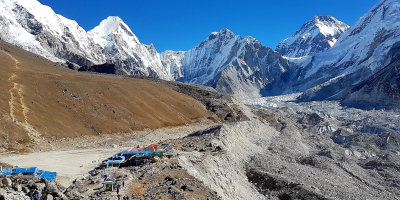
Leaving Lobuche after an early breakfast for a long day walk to Everest base camp. Starts with nice pleasant morning walks, then reaching above Khumbu glacier, walk over rocky moraine and descend to Gorakshep. A small settlement with 3-4 nice lodges beneath the rocky black hill of Kalapathar and Mt. Pumori.
After a refreshing stop, continue walk heading east to Everest base camp, the trail follows on rocks and sandy path. The route leads to short ups and down reaching the Khumbu glacier at Everest base camp. Enjoy the dramatic landscapes similar to arctic zone covered in ice, snow and moraine amidst towering giant peaks.?Great close views of Khumbu Ice-Fall and glaciers, but Mt. Everest is blocked by Lhotse, Nuptse and Lola peaks. The places is busy with mountaineers during high season of climbing from March to May. After an overwhelming experience head back to Gorakshep for overnight stop.
Max. altitude
Accommodation
Meals
On achieving the main target and goal, another highlights to complete climb to the highest hill on top Kalapathar. Start early morning taking a slow and easy pace enjoying the surrounding scenery, after few hour of strenuous climb. Reach on the highest point of the adventure, for every hard effort rewards you with stunning panorama of snow-capped peaks. Enjoy the fantastic closest views of?Mt. Everest, Lhotse and Nuptse with Mt. Pumori close ahead.
After an overwhelming scenic panorama descend to Gorakshep for return journey, having breakfast walk downhill to Lobuche. From here to Thukla, where our route diverts downhill to Pheriche valley, can be quite windy during afternoon time. However the walk is pleasant to Pheriche a lovely settlement with number of great lodges for overnight stop.
Max. altitude
Accommodation
Meals
Max. altitude
Accommodation
Meals
Max. altitude
Accommodation
Meals
Max. altitude
Accommodation
Meals
Max. altitude
Accommodation
Meals
Max. altitude
Accommodation
Meals
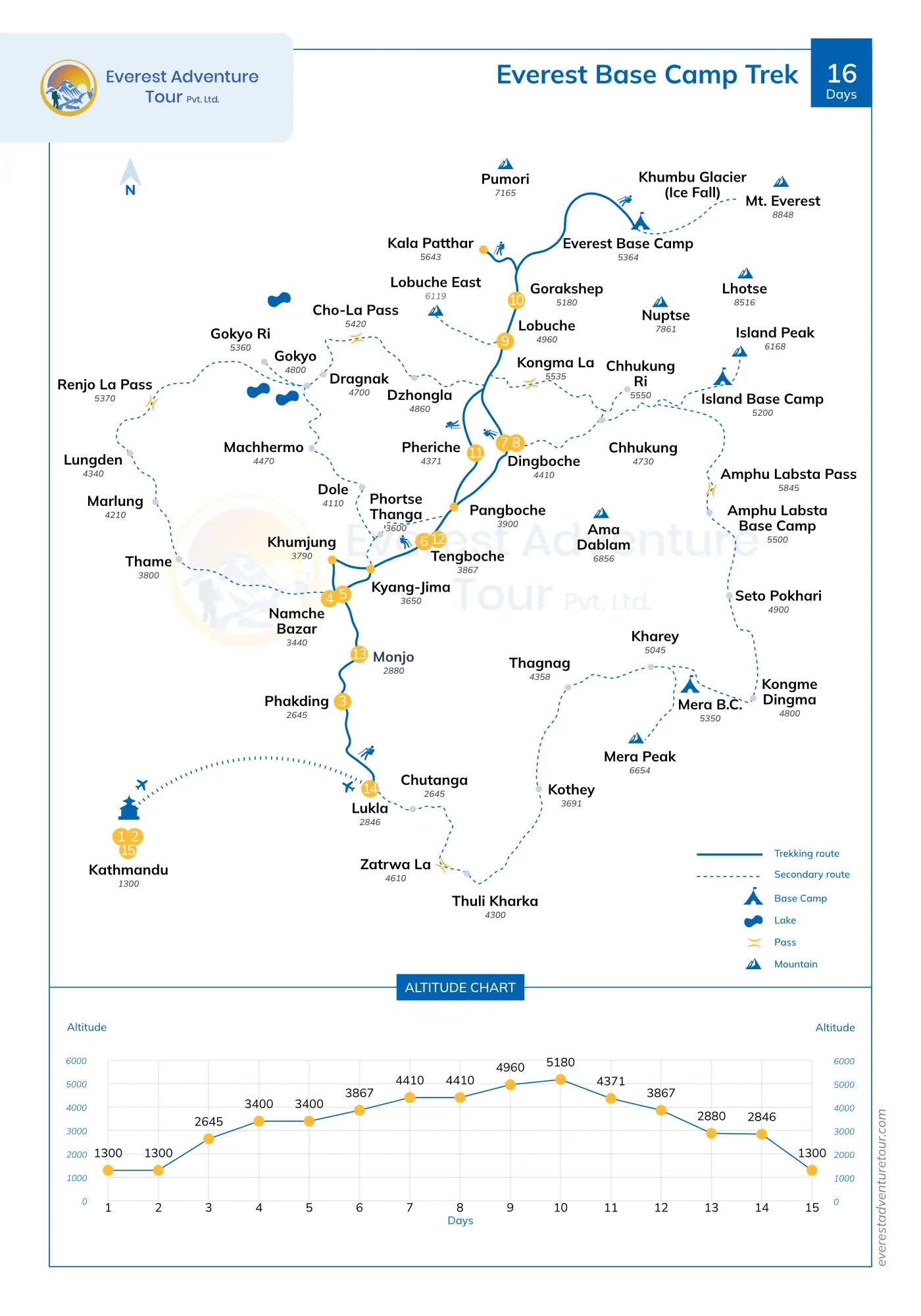
Route Map
Includes
- All Arrival and Departure Transfer from airport to hotel and vice-versa, vehicles according to group size.
- Three star hotels in Kathmandu on bed and breakfast basis.
- Domestic airfare from Kathmandu-Lukla-Kathmandu.
- Full board trekking includes twin sharing accommodation on best available local lodges, includes Breakfast, lunch, dinner with afternoon tea / snacks.
- Service of guide, trekking staff as per size of a group with porters.
- Wages, meals, medical allowance of guides, trekking staff and porters.
- Applicable Trekking Permits, includes Sagarmatha National Park Entrance Fees.
- Comprehensive Medical Kit carried by our guide if required for minor wounds and sickness.
- Sightseeing tour around Kathmandu valley as per the itinerary
- Welcome or Farewell dinner in Kathmandu.
Doesn't Include
- Nepal Visa, Personal Medical & Travel Insurance.?
- Expenses of personal nature, meals in Kathmandu and gratitude or tipping for trekking staff, drivers, porters and guide, including extra snacks and refreshments.?
- Personal trekking gear, including sleeping bags and down jackets (if it is not? included on the trip cost).?
- Emergency Evacuation if required by any means of transportation, including? Helicopter Service.?
- Personal medical kit, as advised by you doctors.?
- Early return from the trek due to personal domestic or medical reasons, no refund will be entertained on breaking the journey.
- Excellent customer service. Our travel experts are ready to help you 24/7.
- Best price guaranteed.
- No credit card or booking fees.
- 100% financial protection.
- Environmentally-friendly tours.
Reviews
Really good
If you want to meet the real Nepal this is the best option. You will get to know the real Nepalese culture. The organization adapts to your needs.
Everest Base Camp Trek
高山病で食欲がないときに助けられたのは、日本語ガイドさんの気遣い。エベレスト街道は、シェルパ族の生活道路だ。女性の単独トレッキングも可能だが、道に迷ったり事故に遭うこともあるので、できるだけガイドやポーターを雇う方がよいと思う。 この会社は、日本語に堪能なガイドさんもいて、いろんな場面で非常に心強かったです。

Everything is perfect. You can choose this company without hesitation to meet all your needs, hotels, trips in Nepal.
Everything is perfect. You can choose this company without hesitation to meet all your needs in Nepal, hotel, trips and all other needs in a friendly, reliable, flexible and economical way. All employees of the company are friendly, helpful, cheerful and ready to assist you with any request. But I owe a special debt of gratitude to Baburam Bhatta, one of the owners of the company. It was like he was my friend and friend of 40 years. So is his brother Ram Bhatta and Thakur Dhital. They made me feel at home with their behavior. I'm glad I decided after my research and chose this company. As someone who has traveled to many countries, I would recommend it to everyone without hesitation.
熱情的旅館主人
非常熱情且友善的老闆及員工Hotel Mega & Apartments ,同時經營Everest Adventure tour旅行社,行程包含範圍廣泛,包含熱門的安娜普納及Everest區域健行,詳情請參考旅行社網站

Services tailored to Japanese people
カトマンズのホテルでルクラまでの飛行機がキャンセルになってしまい困っているところで偶然にBaburam Bhattaさんにお会いして、次の日のラメチャップまでの車とルクラまでの飛行機チケットを素早く手配して頂き大変助かりました。エベレスト街道を行ってる間も時々連絡をくれて帰りの心配もしてくれました。流暢な日本語を喋られ日本人の好みもよくご存知で安心してお任せすることができました。

Hotel Mega stay
Nice and pleasant stay at Hotel Mega, people are friendly and welcomed us very well, always here if you need anything and helpful for keeping our luggages during our different mountain trips.
Camp
Everest Base Camp Trek was an unforgettable adventure with stunning Himalayan views, friendly guides, and well-organized logistics. Each day brought new challenges and breathtaking scenery. A must-do experience for trekkers seeking beauty, culture, and a true sense of achievement.
Be sure to join this tour at least once in your life. Otherwise, you will have an experience you will regret for the rest of your life.
It was the most amazing scenery I've ever experienced and a wonderful experience that will live in my memory for the rest of my life as I experienced the divine Everest as if it were inhabited by gods. Also, the tour staff were very aware and kind and gracious, and became close as if they were family.
Equipment List
- Thermal underwear (top and bottom)
- Moisture-wicking long-sleeved t-shirts
- Moisture-wicking underwear
- Fleece jacket or pullover
- Insulated down or synthetic jacket (lightweight and warm)
- Waterproof, windproof jacket (Gore-Tex or similar)
- Waterproof, windproof pants
- Trekking pants (convertible preferred)
- Warm beanie or wool hat
- Sun hat or baseball cap
- Neck gaiter, buff, or scarf
- Waterproof trousers (for rain and snow)
- Lightweight inner gloves (thermal or liner gloves)
- Insulated outer gloves or mittens (waterproof)
- Waterproof, broken-in hiking boots with ankle support
- Comfortable camp shoes or sandals (for evenings)
- Trekking socks (wool or synthetic, several pairs)
- Gaiters (optional, for snow and mud)
- Trekking backpack (30-40 liters) with rain cover
- Daypack (optional, for short hikes)
- Sleeping bag (rated to at least -10°C / 14°F)
- Insulated sleeping pad or foam mattress
- Adjustable trekking poles (with rubber tips)
- Insulated water bottles or hydration bladder (2-liter capacity recommended)
- Sunglasses with UV protection
- Headlamp with extra batteries
- Power bank and chargers (for electronics)
- Camera and extra batteries/memory cards
- Travel-size toiletries (toothbrush, toothpaste, biodegradable soap)
- Quick-dry towel
- Wet wipes and hand sanitizer
- Sunscreen (high SPF) and lip balm with SPF
- Personal first aid kit (bandages, blister pads, antiseptic, medication)
- Medications for altitude sickness (Diamox if prescribed)
- Pain relievers, anti-diarrheal, antihistamines
- Earplugs (for noisy lodges)
- Notebook and pen
- Portable solar charger (optional)
- Plastic zip-lock bags (to keep gear dry)
- Lightweight stuff sacks or packing cubes
- Snacks (energy bars, nuts, chocolates)
- Reusable water bottle or hydration system
- Small knife or multi-tool
- Passport-size photos (for permits if needed)
Frequently Asked Questions
It all depends upon the trip cost as per the itinerary set by Everest Adventure Tour. Normally we accommodate trekkers on normal standard lodge having nice rooms with good foods. But if the clients request us to upgrade the standard of lodge accommodation, we will certainly comply with the request and need of our valuable clients. Where the cost will be slightly higher on Luxury type lodges than on budget or standard lodge accommodation.
Trekkers will be surprised to find good food menu of varieties, from Tibetan, Nepali, Indian and Chinese to Continental. Includes long list of snacks and drinks for the customer delights in most lodges on treks. The lodge accommodation are nice and lovely according to the choices of the trekkers. From budget, standard to luxury accommodation, either attached or non-attached bath and toilets.
Trekkers should remember as the trek leads higher areas around Dingboche, Lobuche and Gorakshep. Where attached bath and toilets are not available due to freezing temperatures in the night and morning. Where all plumbing systems freeze, and stops the flow of water which will be filled with ice.
On higher areas the lodge provides rooms with common toilets and bathrooms, which is much better than having in rooms. Due to harsh climate and terrain conditions, where all trekkers will understand and has to compromise.
However, all lodges are clean with good rooms, having large dining with potbellied stoves to make the environment warm and cozy.
As this trek involves high altitude, anything can happen like normal sickness or altitude sickness like AMS (Acute Mountain Sickness).
All trekkers when booked with Everest Adventure Travel needs to purchase Travel and Medical Insurance. Which should cover expenses of immediate and fast transportation like Helicopter with all medical bills incurred. The Travel insurance should cover in case if one has to use helicopter services, if the flight get delayed or cancelled. The other reasons is if the trail is blocked by sudden landslides or avalanches, as well with heavy snow-fall. Where trekkers have to return back to Kathmandu due to bad weather or unfortunate incidents.
Everest base camp, although a high altitude treks it does involves high passes like in other trekking adventures. However to be on the safe side, minimum age is above 14 years to be accompanied by parents or guardian. The oldest of 70 years, but all should be in good physical shape and in sound medical health.
Even though some can take the challenge with some medical problem, should take advice from your doctors and inform the company on booking.
?The main festivals of the Khumbu Sherpa is Gyalbo Losar, which is New Year falls within the month of mid-February or early March. According to Tibetan Buddhist Calendar, the next big event is Saga Dawa falls at the end April or May. Saga Dawa is the birth Anniversary of Lord Buddha the ‘Light of Asia’. As well Mani Rimdu a colorful religious festivals held in mid-October or first week of November at Tengboche Monastery. Mani Rimdu also takes place in Thame village west of Namche Bazaar at the end of May or first week of June also.
If interested to be part of the festival or to observe the events, please inform us for the actual dates.
The Everest Base Camp trek is considered a moderate to challenging trek due to the high altitude and long duration. While it doesn’t require technical climbing, trekkers need to be able to walk for 5 to 7 hours daily on rough and steep terrain, with increasing altitude each day. The highest point, Kalapathar (5,643 m), and Everest Base Camp (5,364 m), both involve thin air and cold weather, making physical fitness and proper acclimatization essential. Everest Adventure Tour builds gradual altitude gain and rest days into the itinerary to reduce the risk of altitude sickness.
No prior trekking experience is strictly required, but it is highly beneficial. The Everest Base Camp trek is suitable for fit first-timers with strong determination and preparation. However, trekkers should be comfortable walking long distances and handling high-altitude conditions. Training that includes cardio workouts, stair climbing, and hiking practice for several weeks before the trek will help you complete the journey successfully. Everest Adventure Tour provides experienced guides who offer constant support and encouragement throughout the trip.
Due to unpredictable mountain weather, flight delays or cancellations to and from Lukla are relatively common, especially during monsoon and winter seasons. In such cases, Everest Adventure Tour may arrange alternative travel via Manthali Airport in Ramechhap, followed by a 4–5-hour drive to or from Kathmandu. If delays persist, helicopter charter services can be arranged at additional cost, subject to availability and weather. Trekkers are advised to keep a buffer day in their itinerary (as included on Day 16) and remain flexible with travel plans.
Yes, altitude sickness (Acute Mountain Sickness) is a serious concern above 3,000 meters. Symptoms may include headache, nausea, dizziness, loss of appetite, and fatigue. Everest Adventure Tour's itinerary includes acclimatization days in Namche Bazaar and Dingboche to allow your body to adapt gradually. Drinking plenty of water, avoiding alcohol, and maintaining a slow, steady pace are crucial preventive measures. Guides are trained to monitor health and recognize symptoms. In severe cases, immediate descent or helicopter evacuation is arranged for safety.
Yes, but with limitations. Most tea houses and lodges along the trail offer charging stations for a small fee, especially in lower elevations. As you ascend, charging costs increase and power may be solar-based. Wi-Fi is available in villages like Lukla, Namche Bazaar, and Tengboche, usually for a fee, but the connection may be slow or inconsistent. Everest Adventure Tour recommends carrying extra batteries or a portable power bank and using Wi-Fi sparingly. It’s a great opportunity to disconnect and enjoy the natural beauty of the Himalayas.