

- 1 - 1 Person US$ 2,850
- 2 - 4 Person US$ 2,650
- 5 - 9 Person US$ 2,600
- 10 - 15 Person US$ 2,550
Accommodation in hotels and guesthouses during the tour
All Vegetarian Meals in Tibets(Breakfast, Lunch and Dinner)
Highlights
- Pashupatinath Temple (Kathmandu) – One of the holiest Shiva temples in the world
- Boudhanath Stupa (Kathmandu) – A UNESCO World Heritage Site and sacred Buddhist site
- Swayambhunath (Monkey Temple) – Iconic Buddhist stupa with panoramic views of Kathmandu
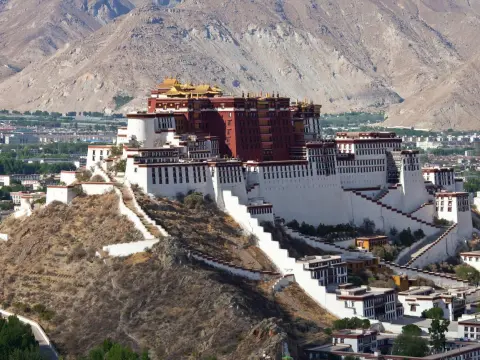
- Rasuwagadhi Border Crossing – Gateway from Nepal to Tibet through the Himalayas
- Kyirong Valley (Tibet) – A serene Tibetan town with stunning Himalayan views
- Visit to sacred Lake Mansarovar (4600m) – Sacred lake for holy dip and spiritual puja
- Mount Kailash Parikrama (Kora) – 3-day trek around the abode of Lord Shiva
- Cross the challenging Dolma La Pass (5600m) – the highest point of the trek
- Darshan of Gauri Kund – associated with Goddess Parvati
- Holy rituals at Yam Dwar – symbolic gateway to the divine
- Saga Town – A Tibetan settlement used for acclimatization and rest
- Mount Kailash (6638m) – The spiritual axis of the world, revered by four religions
- Yam Dwar (Tarboche) – Symbolic starting point of the Kailash Kora (Gate of the God of Death)
- Diraphuk Monastery – Close-up northern view of Mount Kailash
- Dolma La Pass (5600m) – Highest point of the trek, spiritually significant
- Gauri Kund – Mythical lake associated with Goddess Parvati
- Zuthulphuk Monastery – Located on the final day of the Parikrama trek
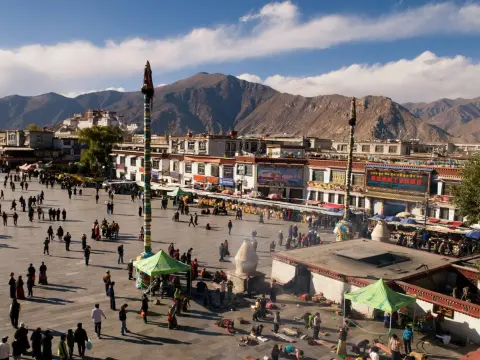
- Tibetan Plateau Landscapes – Vast, mystical, and dramatic high-altitude terrain throughout the journey
Overview
The Kailash Mansarovar Overland Tour organized by Everest Adventure Tour is a spiritually enriching and physically rewarding journey that takes pilgrims and adventure seekers to one of the most sacred destinations in the world. This 13-day road-based pilgrimage begins in Kathmandu, Nepal, and leads through the scenic trans-Himalayan route via Rasuwagadhi and Kyirong in Tibet to the divine sites of Lake Mansarovar and Mount Kailash. Specifically designed for Indian citizens and NRIs/NRNs, the tour combines religious significance, natural beauty, and logistical comfort, offering seamless travel that includes private transportation, accommodation, all permits, Indian vegetarian meals, and experienced multilingual guides.
This holy yatra fulfills the life-long spiritual aspiration of devotees from Hindu, Jain, Buddhist, and Bon traditions to witness and circumambulate Mount Kailash — regarded as the earthly abode of Lord Shiva and a cosmic center of the universe. The tour includes the sacred ritual bath in the pristine waters of Lake Mansarovar (4600m), spiritual puja ceremonies, and the three-day Kailash Kora (Parikrama), which is considered a path to liberation and rebirth. The Parikrama begins at Yam Dwar, passes through the rugged valley of Diraphuk, ascends the holy Dolma La Pass (5,600m) — the highest point of the trek — and continues to Zuthulphuk, offering stunning views and spiritually charged experiences at every step.
Everest Adventure Tour has meticulously crafted the itinerary to prioritize altitude acclimatization, ensuring participants gradually adapt to higher elevations to prevent altitude-related illnesses. Key stopovers in Kyirong and Saga help yatris rest, hydrate, and prepare physically and mentally before reaching the sacred sites. The road journey itself is a visual and emotional treat — from the bustling spiritual energy of Kathmandu’s Pashupatinath Temple to the wide-open plains of the Tibetan plateau and the surreal reflections of Kailash on the glass-like surface of Mansarovar. Every day of this pilgrimage is guided with care, spiritual knowledge, and cultural insight, making it not just a tour, but a transformation.
What sets Everest Adventure Tour apart is their unmatched experience, deep cultural sensitivity, and commitment to pilgrim safety and satisfaction. With a team of dedicated Sherpa staff, Hindi-speaking tour leaders, and decades of expertise in cross-border operations, the company ensures that every pilgrim — whether seasoned traveler or first-time yatri — is treated with respect, compassion, and spiritual guidance. From obtaining Tibetan and Chinese permits to managing emergency medical support and providing Indian-style meals even in remote regions, every detail is handled professionally. For Indian and NRN pilgrims seeking a once-in-a-lifetime yatra that blends devotion, comfort, and unforgettable natural beauty, the Kailash Mansarovar Overland Tour by Everest Adventure Tour is truly the ultimate choice.
Key Highlights:
- Starts and ends in Kathmandu (Nepal)
- Road-based journey suitable for senior citizens and moderately fit individuals
- Spiritual bath and puja at Lake Mansarovar
- Mount Kailash Parikrama with Dolma La Pass crossing
- Guided tour with Nepali and Tibetan support teams
Major Places for Kailash Mansarovar Overland Tour
The Kailash Mansarovar Overland route covers some of the most sacred and picturesque locations across Nepal and Tibet. The journey begins in Kathmandu, the vibrant capital of Nepal and home to many UNESCO World Heritage Sites like Pashupatinath Temple, Swayambhunath Stupa, and Boudhanath. This city serves as the spiritual and logistical base for the pilgrimage.
The road journey continues north to Rasuwagadhi, a border town connecting Nepal with Tibet. After crossing into Tibet, pilgrims arrive in Kyirong, a serene valley town with breathtaking views and rich Tibetan culture. The route then proceeds to Saga, a major stopover for acclimatization. The next sacred site is the Lake Mansarovar (4,600m), one of the holiest lakes in Asia, believed to be the source of purification for body and soul. Here, pilgrims can take a holy dip, perform rituals, and offer prayers.
From Mansarovar, the tour heads to Darchen, the base camp for Mount Kailash. The 3-day Parikrama (Kora) starts here and includes Yam Dwar (the Gateway to God of Death), Diraphuk (offering the closest view of Mt. Kailash), Dolma La Pass (5,600m), Gauri Kund, and Zuthulphuk. These locations are not only sacred in Hindu and Buddhist cosmology but also renowned for their stunning natural beauty and transformative spiritual energy.
Spiritual & Scenic Locations:
- Pashupatinath Temple, Kathmandu – Lord Shiva’s temple
- Lake Mansarovar – Holy lake for ritual bath and meditation
- Mount Kailash – Abode of Lord Shiva
- Yam Dwar & Gauri Kund – Sites of religious significance
- Dolma La Pass – The highest point of the Parikrama
Best Season for Kailash Mansarovar Overland Tour
The ideal time to explore on the Kailash Mansarovar Overland Tour is from May to September. During these months, the weather is relatively stable, the skies are clear, and the high-altitude passes remain accessible. These months offer the best chances of completing the Mount Kailash Kora without major weather disruptions. Temperatures during the day are moderate, while nights can be chilly, especially at higher altitudes.
The monsoon season (June to August) brings moderate rain in Nepal but very little in Tibet due to its high-altitude desert climate. However, the lush greenery in Nepal and the clear blue skies of Tibet during this season provide spectacular views. May and September are particularly popular among Indian and NRN pilgrims due to the stable weather and lesser crowds.
Everest Adventure Tour ensures fixed departure groups during these months to accommodate both Indian and NRI pilgrims, providing all the necessary permits and logistical arrangements. Weather conditions during the rest of the year, especially in winter, make the journey extremely difficult due to snowfall, closed passes, and freezing temperatures.
Best Months to Travel:
- May to September – Ideal for clear views and safe travel
- June/July – Popular months for Indian yatris
- Avoid October to April – Harsh winter conditions and road closures
Kailash Mansarovar Overland Tour Difficulty Level
The Kailash Mansarovar Overland Tour is considered a moderate to challenging pilgrimage, primarily due to the high altitudes and the physical demands of the Mount Kailash Parikrama. While the road journey itself is relatively comfortable and accessible even to senior citizens, the 3-day trek during the Kora involves walking 38 km at elevations ranging from 4,700m to 5,600m. The crossing of Dolma La Pass is the most physically demanding section, with steep ascents and descents that can be taxing even for experienced trekkers.
Acclimatization plays a key role in the success of this tour. Everest Adventure Tour incorporates rest days and a gradual ascent plan to help yatris adjust to the altitude. Oxygen cylinders, medical support, and trained guides are always available throughout the journey, ensuring safety and emergency support. For yatris who are not physically fit to perform the entire Kora, there is an option to return to Darchen and wait for the group.
For Indian and NRN participants, the tour is tailored with special consideration of dietary needs, language support, and spiritual requirements. Prior physical preparation, like walking daily and light cardio exercise, is highly recommended before the trip.
Physical and Logistical Challenges:
- High altitude trek (up to 5,600m at Dolma La)
- Long drive hours (up to 9 hrs/day)
- Cold temperatures, especially at night
- Moderate fitness level required
- Oxygen and support team available during trek
Food and Accommodation for Kailash Mansarovar Overland Tour
On the Kailash Mansarovar Overland Tour, food and accommodation are carefully arranged by Everest Adventure Tour to suit the preferences of Indian and NRN pilgrims. Given the high-altitude and remote nature of the route, accommodations are basic yet clean, safe, and functional, especially once you cross into Tibet. The company partners with locally-run guesthouses, hotels, and lodges that offer warm beds, shared bathrooms, and hot meals wherever possible.
In Kathmandu, guests enjoy a comfortable stay in a 3-star or 4-star hotel, including standard amenities like hot showers, Wi-Fi, and buffet meals. Once the group enters the Tibetan region, the accommodation transitions to guesthouses and basic lodges. In towns like Kyirong and Saga, the lodging is relatively better, offering attached toilets and dining areas. During the Kailash Kora (especially at Diraphuk and Zuthulphuk), accommodation is in dormitory-style guesthouses with very basic facilities due to the remote location and extreme altitude.
When it comes to food, Everest Adventure Tour provides pure vegetarian meals, prepared by trained Nepali cooks. The menu is crafted to suit the Indian palate, including dishes like dal, rice, vegetables, roti, khichdi, poha, and upma. Special attention is given to hygiene, calorie intake, and digestibility. Hot drinks like ginger tea, soup, and herbal infusions are also served to help with acclimatization and energy levels. Pack lunches are provided during longer driving and trekking days.
Key Food & Accommodation Highlights:
- Indian-style vegetarian meals
- Boiled drinking water and hot beverages
- Comfortable hotels in Kathmandu
- Basic guesthouses during overland and kora trek
- Hygienic cooking practices and dietary care for Indian yatris
Network and Communication for Kailash Mansarovar Overland Tour
Network and communication are important factors to consider during the Kailash Mansarovar Overland Tour, especially for Indian and NRN citizens wanting to stay connected with family or work. While the route passes through remote areas of Tibet and Nepal, Everest Adventure Tour ensures that pilgrims are informed of network availability and communication alternatives throughout the journey.
In Kathmandu, there is full mobile and internet connectivity. Hotels provide Wi-Fi services, and both local and international SIM cards work effectively. Once in Tibet, the network becomes patchy. In places like Kyirong and Saga, Chinese mobile networks such as China Mobile or China Unicom are available. Everest Adventure Tour helps pilgrims acquire Chinese SIM cards with limited internet access where possible. However, Indian SIM cards do not work in Tibet, and roaming is not supported across the border.
During the Mount Kailash Kora, network coverage is virtually nonexistent. For safety and emergency communication, the tour team carries satellite phones and walkie-talkies, especially in high-altitude regions like Diraphuk and Dolma La. Group leaders regularly update family members back home through the office in Kathmandu when signals allow.
Network and Connectivity Highlights:
- Wi-Fi in Kathmandu hotels
- Chinese SIM card support in Tibet (limited)
- No Indian SIM coverage in Tibet
- Satellite phones and walkie-talkies for emergencies
- Regular group communication updates to families
Kailash Mansarovar Overland Tour Transportation
Transportation is one of the key features that define the comfort and accessibility of the Kailash Mansarovar Overland Tour with Everest Adventure Tour. The entire journey is designed to be road-based, making it suitable for pilgrims of all age groups, especially for Indian and NRN yatris who may prefer a less strenuous approach to this sacred destination.
The journey begins with airport pickup and private vehicle transfers in Kathmandu. For the Nepal-Tibet section, travelers are transferred using well-maintained SUVs or 4WD jeeps, especially for the rugged mountain terrain between Kathmandu and Rasuwagadhi. Once in Tibet, transportation is handled by large, comfortable Tibetan buses or land cruisers, depending on group size and terrain. The fleet used in Tibet complies with local safety standards and is driven by experienced Tibetan drivers.
During the Parikrama (Kora) around Mount Kailash, walking is necessary for three days. For those who cannot trek, pony/horse services and porters are available (optional and paid separately). Everest Adventure Tour ensures daily transport coordination, vehicle checks, and backup support so that the group moves safely and efficiently through high-altitude terrain.
Transportation Highlights:
- Private tourist vehicles in Kathmandu
- SUVs and 4WD jeeps up to Rasuwagadhi
- Tibetan buses or land cruisers for Tibet overland route
- Optional pony/porter services for Kailash Kora
- All vehicles are oxygen-equipped and safety-checked
Kailash Mansarovar Overland Tour Permits
Obtaining the correct permits is a crucial aspect of the Kailash Mansarovar Overland Tour, especially because the journey involves crossing into a sensitive border region of Tibet (China). Everest Adventure Tour specializes in managing these formalities for Indian and NRN citizens, ensuring a smooth and legal travel experience without bureaucratic stress.
There are multiple permits and approvals required. Firstly, pilgrims need a Tibet Travel Permit (TTP), which is issued by the Tibet Tourism Bureau. This is only possible through a registered tour operator, and individuals cannot apply for it independently. Secondly, a Group Visa is required for travelers entering Tibet from Nepal, which is managed through the Chinese Embassy in Kathmandu. This visa replaces your standard passport visa while in Tibet.
In addition to these, a Military Permit and Alien Travel Permit are required for visiting border regions and sacred areas like Mount Kailash and Lake Mansarovar. Everest Adventure Tour takes care of all these permits, ensuring you do not have to deal with complex paperwork. For Indian nationals, a valid passport with at least 6 months of validity is required. NRNs and foreigners must also provide copies of visas, residency cards, and passport details in advance.
Permits & Documentation Highlights:
- Tibet Travel Permit (TTP)
- Group Visa via Chinese Embassy Kathmandu
- Alien and Military Permits for sacred sites
- Everest Adventure Tour handles all permit processing
- No need for Indian visa to enter Nepal
Why Choose Kailash Mansarovar Overland Tour with Everest Adventure Tour
Choosing the right tour operator is essential when embarking on a spiritually and physically challenging journey like Kailash Mansarovar. Everest Adventure Tour is a Nepal-based, government-registered company with years of experience specializing in Kailash pilgrimages for Indian and NRN citizens. With a strong local presence, trained guides, and a deep understanding of Indian cultural and religious sentiments, the company offers a highly personalized and professional experience.
Unlike generic travel operators, Everest Adventure Tour focuses on safety, comfort, spiritual guidance, and complete logistical support. Their packages include everything from hotel bookings and meals to permit arrangements, pony services, and emergency rescue coordination. Indian yatris particularly benefit from the presence of Hindi-speaking staff, pure vegetarian Indian meals, and daily group briefings with spiritual context. NRNs get a flexible service with visa and documentation support tailored to their needs.
The company also ensures altitude acclimatization planning, group health monitoring, and carries medical kits and oxygen support throughout the journey. With years of positive testimonials, Everest Adventure Tour is trusted by thousands of pilgrims for their honesty, transparency, and reliability in delivering one of the most meaningful spiritual journeys in the world.
Why Everest Adventure Tour:
- Decades of experience with Indian NRN yatris
- 100% permit guarantee and full logistics
- Spiritual, safe, and comfortable travel planning
- Hindi/English/Nepali-speaking staff
- Strong safety protocols with oxygen and medical backup
Important Note
Trip Itinerary
After a hearty breakfast, your guided sightseeing tour of Kathmandu begins. Today, you’ll explore some of the city’s most iconic UNESCO World Heritage Sites. Visit Pashupatinath Temple, one of the holiest Hindu temples dedicated to Lord Shiva, located on the banks of the Bagmati River. Then, head to Boudhanath Stupa, one of the largest spherical stupas in the world, a spiritual hub for Tibetan Buddhists. Next, explore the majestic Swayambhunath Stupa (Monkey Temple), perched on a hilltop with panoramic views of the Kathmandu Valley. If time permits, you may also visit Kathmandu Durbar Square, a historical complex showcasing ancient palaces and temples. Throughout the day, your guide will explain the cultural and spiritual importance of each site, giving context to your pilgrimage. Return to your hotel in the evening and rest.
This morning, after breakfast, you will set out on a scenic overland journey from Kathmandu to Rasuwagadhi, near the Nepal-Tibet border. The drive takes approximately 7 to 8 hours, passing through beautiful terraced hillsides, deep river valleys, and rural landscapes dotted with villages. En route, you will enjoy mesmerizing views of the Himalayan foothills. The road can be bumpy in certain sections, but the adventure of entering the highlands adds to the excitement of your spiritual quest. Upon reaching Rasuwagadhi, you will check into a simple guesthouse for the night. The area is relatively quiet and remote, allowing time for relaxation and acclimatization before crossing into Tibet the following day. Dinner is served at the guesthouse, and a short briefing will be held regarding the next day’s immigration process.
After an early breakfast, you’ll proceed to complete immigration and customs formalities at the Nepal-Tibet border. Once formalities are completed, you'll cross the border into Tibet (China) and continue your journey with a short drive to Kyirong, situated at an elevation of 2,900 meters. The drive takes about an hour, but the change in landscape and atmosphere is quite noticeable as you enter the Tibetan plateau. Kyirong, a picturesque town surrounded by lush forests and snow-capped peaks, is a peaceful place to rest and begin your acclimatization to the increasing altitude. The afternoon is free to relax, hydrate, and take gentle walks to aid in altitude adjustment. Tonight, you’ll stay in a comfortable local guesthouse or hotel arranged by Everest Adventure Tour.
After breakfast, the journey continues toward Saga, located at 4,400 meters. The road winds through incredible landscapes — including vast valleys, pristine rivers, and the dramatic highland scenery of Tibet. As you ascend, the oxygen levels start to drop, so the pace is kept gentle to allow for acclimatization. You may spot grazing yaks, herds of sheep, and nomadic settlements that reflect the rural Tibetan lifestyle. Arriving in Saga in the afternoon, you’ll check into a local guesthouse or hotel. Saga serves as an important acclimatization stop before continuing to the sacred Lake Mansarovar. The town is small but has essential amenities and is a hub for pilgrims traveling to Mount Kailash. Spend the evening resting, hydrating, and enjoying the calm environment.
Today’s long yet mesmerizing drive takes you to Lake Mansarovar, one of the holiest lakes in Hinduism and Buddhism, situated at 4,600 meters. The 9-hour journey offers breathtaking views of high mountains, barren plateaus, and sacred rivers like the Brahmaputra (Yarlung Tsangpo). As you approach the lake, the first glimpse of Mount Kailash will leave you spiritually awestruck. Pilgrims believe that taking a holy dip in Mansarovar cleanses sins and brings spiritual merit. Upon arrival, you can walk along the lakeshore, meditate, or simply soak in the divine atmosphere. The tranquil blue waters, backdropped by Mount Kailash and Gurla Mandhata, make for an unforgettable setting. Overnight accommodation will be in a guesthouse near the lake. Rest well as you prepare for the spiritual rituals and kora to come.
Early in the morning, you’ll have the unique opportunity to take a holy bath in Lake Mansarovar and perform puja (rituals) on its sacred banks. Many pilgrims choose this time to pray, meditate, and offer their devotion in this spiritually charged environment. After this memorable spiritual experience, return to the guesthouse for breakfast. Post lunch, you will drive about one hour to Darchen, the base camp for Mount Kailash Kora (parikrama). Darchen, sitting at 4,700 meters, is a small but important town with shops, lodges, and Tibetan Buddhist temples. Here, you’ll rest and prepare for the three-day circumambulation of Mount Kailash. Briefings will be provided regarding the trekking route, altitude considerations, and safety measures. Tonight, stay in a local guesthouse in Darchen.
After breakfast, you’ll drive for about 30 minutes to Yama Dwar, the symbolic gateway to the spiritual trek around Mount Kailash. After receiving blessings and making offerings, begin the first day of the Kailash Kora (parikrama) — a 14-kilometer trek to Diraphuk, situated at 4,950 meters. This section is relatively moderate and follows a scenic route with stunning views of the sacred mountain. As you walk alongside hundreds of fellow pilgrims, you’ll feel a deep spiritual connection that transcends religion and culture. Upon reaching Diraphuk, you’ll be treated to a close-up view of the north face of Mount Kailash, a truly awe-inspiring sight. Spend the night in a basic lodge or guesthouse, resting and preparing for the most challenging day of the kora tomorrow.
Today is the most challenging and spiritually significant part of the Kailash Kora (19km). After breakfast and with a packed lunch, begin the arduous trek over Dolma La Pass at 5,600 meters — the highest point of the entire journey. The ascent is steep and physically demanding, but pilgrims push forward with devotion and determination. Upon reaching the top of the pass, take a moment for prayers and reflection. Nearby lies Gauri Kund, a sacred lake associated with Goddess Parvati, visible on the descent. The trail then gradually descends to the valley below and continues toward Zuthulphuk, where you will stay overnight. This 9 to 10-hour trek tests endurance but rewards you with spiritual elevation and unmatched views. Rest well tonight after completing this pivotal leg of the kora.
The final day of the Mount Kailash parikrama (6km) involves a short 1.5-hour trek along a relatively flat trail, leading back to Darchen. After breakfast, you’ll complete the trek and reunite with the rest of your group. From Darchen, begin the long drive back to Saga (8 hours), retracing your route across the vast and beautiful Tibetan landscape. As you leave the sacred region of Kailash, take time to reflect on the incredible spiritual and physical journey you’ve just completed. Arriving in Saga in the evening, you’ll check into a guesthouse for the night. Dinner will be provided, and you’ll have time to rest after the day’s travel and the completion of your parikrama. Congratulations — you have achieved a rare and revered pilgrimage.
After an early breakfast in Saga, your journey continues back towards the Nepal border with a scenic 4-hour drive to Kyirong, located at 2,900 meters. The return route offers one last chance to admire the vast, high-altitude landscape of Tibet — from expansive plains and rugged mountains to scattered nomadic settlements and grazing herds of yaks. As you gradually descend in altitude, you'll feel the changes in the atmosphere and environment. A packed lunch will be provided along the way, allowing for a relaxed and convenient meal amid the journey. Once you arrive in Kyirong, check into your guesthouse or hotel and spend the rest of the day at leisure. This is a good opportunity to rest, reflect on the pilgrimage, and enjoy some free time before crossing the border back into Nepal the next day. Dinner is served in the evening.
This morning, after a nourishing breakfast, you'll proceed to the nearby Rasuwagadi border post to complete the immigration and customs formalities. After crossing the border and re-entering Nepal, your journey continues with an 8-hour drive through lush valleys, cascading rivers, and rural mountain communities back to Kathmandu. The shift from the Tibetan plateau to Nepal’s greener, more forested terrain provides a beautiful contrast and a refreshing change in climate and scenery. Along the way, stop for lunch at a local restaurant or enjoy a packed meal, depending on time and convenience. The road may be bumpy in places but offers captivating views of the Himalayan foothills. Upon arrival in Kathmandu, you will check into your hotel and enjoy a well-deserved rest. In the evening, Everest Adventure Tour may organize a farewell dinner or small gathering to celebrate the successful completion of your holy journey.
Today marks the conclusion of your unforgettable spiritual expedition to Kailash Mansarovar. After breakfast at the hotel, you will be transferred to Tribhuvan International Airport according to your flight schedule. The team from Everest Adventure Tour will assist with any final logistics, including airport check-in and farewell arrangements. As you board your flight home, take with you the memories of sacred lakes, holy mountains, breathtaking landscapes, and moments of deep reflection and connection. This pilgrimage is not just a physical journey but a profound spiritual experience that often leaves a lasting imprint on the soul. If you wish to extend your stay in Nepal or explore other destinations, Everest Adventure Tour can assist in arranging additional tours or services. Otherwise, we bid you a heartfelt farewell and safe journey ahead, with blessings from the Himalayas.
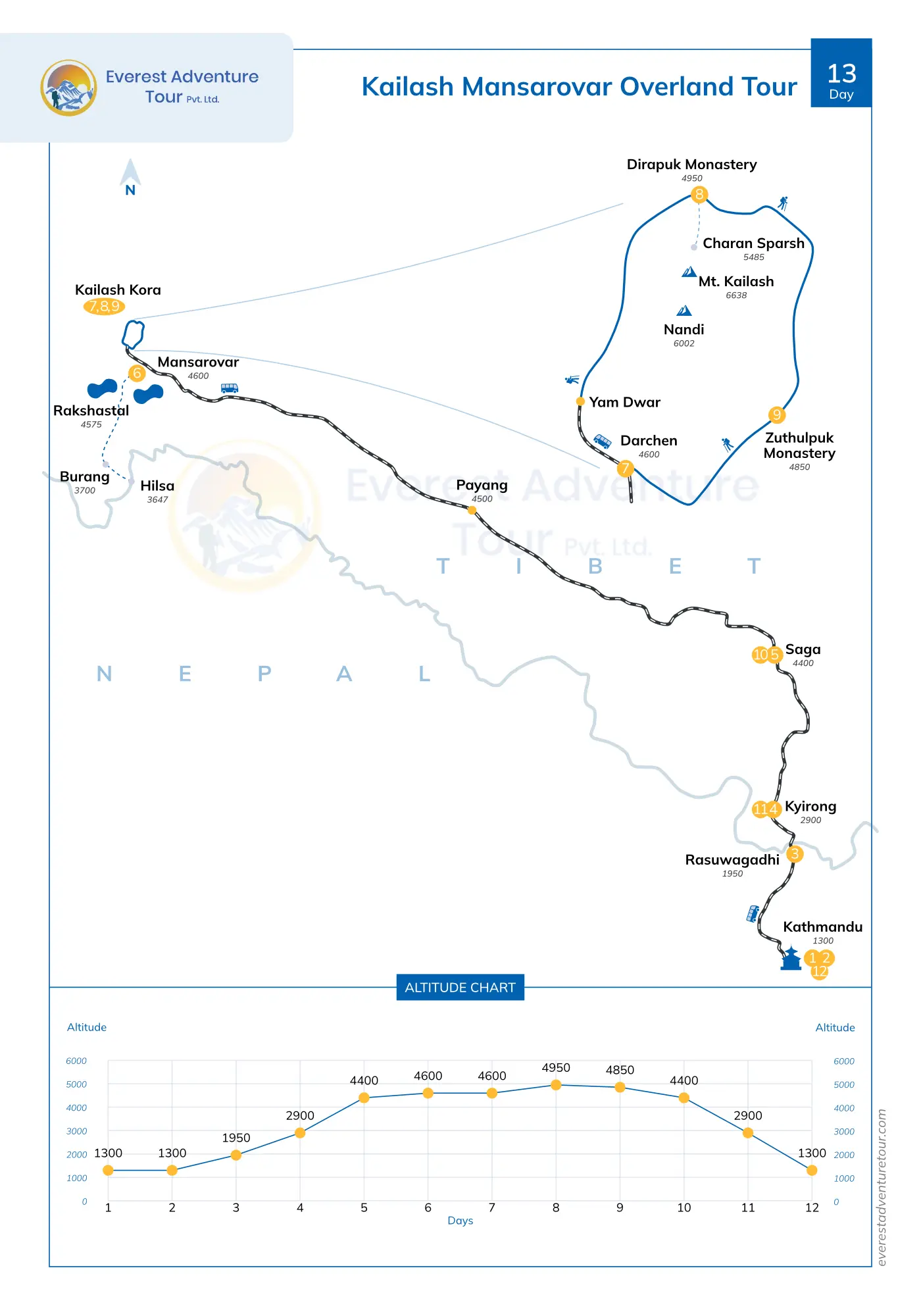
Route Map
Includes
- Airport pickup and drop-off in Kathmandu
- All overland transportation (private vehicles, permits included)
- Accommodation in hotels and guesthouses during the tour
- Experienced English-speaking tour guide and support staff
- All Vegetarian Meals in Tibets(Breakfast, Lunch and Dinner)
- Tibetan and Nepalese border permits and entry fees
- Trekking permits for Kailash Kora and Mansarovar
- Tibet Group Visa (normal fee only)
- Group medical kit and emergency evacuation arrangements
- UNESCO sites entry fees
- Oxygen backup, medical kits, and experienced Sherpa guides for safety
Doesn't Include
- International airfare to/from Kathmandu
- Personal travel insurance
- Visa fees for Nepal and China/Tibet
- Personal expenses (drinks, phone calls, laundry)
- Pony and porter services for Parikrama
- Tips and gratuities for guides, drivers, and staff
- Optional activities not mentioned in the itinerary
- Any costs due to flight delays, roadblocks, or natural disasters
- Equipment rental (trekking gear, oxygen bottles)
- Excellent customer service. Our travel experts are ready to help you 24/7.
- Best price guaranteed.
- No credit card or booking fees.
- 100% financial protection.
- Environmentally-friendly tours.
Equipment List
- Down jacket (windproof & insulated)
- Thermal innerwear (top & bottom)
- Fleece jacket or pullover
- Quick-dry trekking pants & T-shirts (2–3 sets)
- Warm woolen sweater or hoodie
- Waterproof jacket or raincoat
- Woolen cap, sun hat, neck scarf/buff
- Thermal gloves & woolen socks (4–5 pairs)
- Trekking shoes (well broken-in)
- Camp sandals/flip-flops
- Sleeping bag (-10°C or below)
- Travel pillow (optional)
- Eye mask & earplugs (for shared accommodations)
- Lightweight blanket or shawl
- Toothbrush, toothpaste, small towel
- Soap, shampoo, hand sanitizer, wet wipes
- Toilet paper & tissues
- Moisturizer & lip balm (non-scented)
- Sunscreen (SPF 50+), insect repellent
- Personal medications (enough for entire tour)
- Diamox (for altitude sickness, consult your doctor)
- Paracetamol, antacids, ORS, antiseptic cream
- Band-aids, cotton, gauze, crepe bandage
- Muscle pain spray or balm
- Pulse oximeter (optional but useful)
- Water bottle (1–2 liters) or thermos flask
- Electrolyte powder (ORS) or energy drink mix
- Dry fruits, energy bars, snacks (for trek days)
- Reusable bowl, spoon, and mug (optional)
- Mobile phone with charger & power bank
- Universal adapter
- Torch or headlamp with extra batteries
- Camera (optional)
- Local SIM (can be arranged in Kyirong)
- Valid passport (with Tibet/China permits)
- Passport-sized photos (3–4 copies)
- Travel insurance (high-altitude coverage preferred)
- Copy of vaccination certificates (if required)
- Cash in Nepali Rupees & Chinese Yuan (CNY)
- Pen and small notebook
- Small daypack for Kailash Parikrama (25–30L)
- Walking stick / trekking pole
- Rain cover for backpack
- Sunglasses (UV-protection)
- Face mask / balaclava (for dust and wind)
- Zip-lock bags (for organizing items and waste)
Frequently Asked Questions
The Kailash Mansarovar Overland Tour is open to Indian citizens, NRIs (Non-Resident Indians), and NRNs (Non-Resident Nepalis). While there is no strict age limit, it is recommended for participants between 18 and 70 years who are physically fit and medically stable, especially for the high-altitude trek during the Kailash Kora. Senior citizens with medical clearance can also join, and the road-based travel makes it more accessible than other trekking-based options.
While the overland journey itself is mostly done by comfortable vehicles, a basic level of physical fitness and stamina is required for the Mount Kailash Parikrama, which includes 38 kilometers of trekking over three days, including crossing Dolma La Pass (5,600m). We recommend yatris start walking 3–5 km daily at least one month before departure. Everest Adventure Tour provides optional pony and porter services for those who cannot complete the trek on foot.
Everest Adventure Tour arranges accommodation in hotels, guesthouses, and lodges, depending on the location. In Kathmandu, yatris stay in 3-star or 4-star hotels with modern amenities. In Tibet, accommodations are basic yet clean, with shared rooms and limited facilities due to remote conditions. During the Kailash Kora, lodging at Diraphuk and Zuthulphuk is very basic with dormitory-style rooms. Despite the simplicity, we ensure safety, warmth, and hygienic sleeping conditions throughout the journey.
Yes, pure vegetarian Indian-style meals are provided throughout the tour, including in Tibet. Everest Adventure Tour employs experienced Nepali cooks who prepare fresh, hygienic, and energy-rich meals that cater to Indian and NRN dietary preferences. Meals include dal, rice, chapati, vegetables, soup, and light breakfast items like poha or upma. Hot water, tea, and ginger drinks are also provided to help with acclimatization and digestion in high-altitude areas.
Multiple permits are required, including the Tibet Travel Permit, Chinese Group Visa, and Military & Alien Travel Permits for restricted regions. Everest Adventure Tour handles all these permits on behalf of the group. Indian passport holders must have at least 6 months of validity, while NRNs and foreign passport holders need to provide passport, visa, and residency details in advance. You don’t need a visa to enter Nepal as an Indian, making the process smoother.
Everest Adventure Tour provides well-maintained private tourist vehicles for all transfers. In Nepal, yatris travel in SUVs or mini-buses depending on group size. From Rasuwagadhi onward, the group travels in Tibetan tourist buses or 4WD land cruisers, which are suited for high-altitude driving. Vehicles are equipped with oxygen cylinders and emergency kits, and driven by experienced local drivers who are familiar with the rugged terrain and weather conditions of the Himalayan plateau.
Yes, altitude sickness can be a concern, especially above 4,000 meters. Everest Adventure Tour has built-in acclimatization stops in Kyirong and Saga to help yatris gradually adjust to the elevation. We also carry oxygen cylinders, pulse oximeters, and first-aid kits throughout the tour. Our team monitors the health of each participant daily and provides guidance on how to stay hydrated, eat properly, and recognize early signs of altitude issues. Emergency evacuation plans are also in place.
Mobile signal is available in Kathmandu and major Tibetan towns like Kyirong and Saga, but there is no network during the Kailash Kora. Indian SIM cards do not work in Tibet. Everest Adventure Tour assists yatris in obtaining a local Chinese SIM card (with limited internet) where possible. For safety and coordination, we use satellite phones and walkie-talkies in remote areas. Wi-Fi is available at some hotels in Kathmandu and possibly in Kyirong.
Yes, for those who cannot participate in the Mount Kailash Parikrama due to health or personal reasons, Everest Adventure Tour provides the option to stay at Darchen (the base camp) while the rest of the group completes the trek. This ensures everyone can still participate in the Mansarovar Yatra spiritually and logistically. The team ensures the comfort and safety of non-trekkers, and they rejoin the group once the Kora is completed.
Everest Adventure Tour is a locally registered, experienced, and highly trusted operator for the Kailash Mansarovar Overland Tour. With a dedicated team of Nepali and Tibetan professionals, we offer customized services for Indian and NRN yatris, including vegetarian meals, Hindi-speaking guides, full permit support, emergency backup, and personalized spiritual assistance. Our tour is well-paced, safety-focused, and spiritually enriching. Thousands of satisfied pilgrims have chosen us for our transparency, reliability, and cultural sensitivity.