

- 1 - 1 Person US$ 1,200
- 2 - 5 Person US$ 1,099
- 6 - 10 Person US$ 1,050
- 11 - 15 Person US$ 1,020
- 16 - 20 Person US$ 999
Hotel in Kathmandu and Tea house / Lodge during the trek
Breakfast in Kathmandu and all meals during the trek
Highlights
- An adventure covering all scenic and cultural highlights of the Langtang Himal range.
- Enjoy the exciting walks to the picturesque Langtang Valley and Kyanjin Gompa.
- Trek through lush forests, cascading waterfalls, and high alpine meadows.
- Discover traditional Tamang, Tibetan, and Hyolmo villages with Buddhist influence.
- Experience incredible views from Kyanjin Ri and Tserko Ri viewpoints.
- Visit the sacred lakes of Gosainkunda, a major pilgrimage site for Hindus.
- Cross the dramatic high-altitude Laurabinaya-La Pass (4,640 m).
- Journey from North-West to the Eastern rim of Langtang Himal towards Helambu.
- Explore peaceful and less-traveled Helambu villages like Tarke Gyang and Sermathang.
- Witness ancient Buddhist monasteries and stupas in highland villages.
- Spot rare wildlife in Langtang National Park, including red pandas and Himalayan thar.
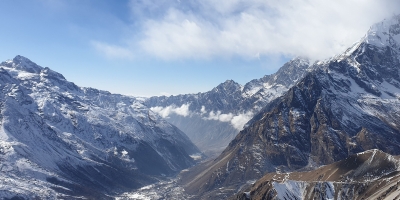
- Capture panoramic views of Langtang Lirung, Ganesh Himal, Dorje Lakpa, and more.
- Walk along diverse terrain – from subtropical forests to alpine ridges.
Overview
‘An adventure covering from northwest to east of Langtang Himal region’
Langtang Valley with Gosainkunda and Helambu Treks is a spectacular blend of natural beauty, cultural immersion, and spiritual discovery, offered exclusively by Everest Adventure Tour. This adventurous journey covers the diverse landscapes of the Central Himalayas, extending from the deep Langtang Valley in the northwestern region to the tranquil Helambu region in the east. Over the course of 18 days, trekkers experience the very heart of Nepal’s Himalayan charm, enriched with majestic snow-capped mountains, sacred lakes, and the welcoming traditions of Tamang and Hyolmo communities.
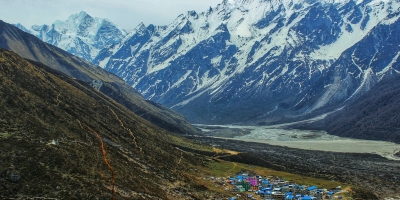
The trek begins with a scenic drive to Syabrubesi, the starting point nestled in the Langtang foothills. From here, trekkers gradually ascend through dense forests of pine and rhododendron, crossing charming riverside settlements like Lama Hotel and Mundu—a newly resettled village after the 2015 earthquake that devastated old Langtang Village. Reaching Kyanjin Gompa, the spiritual heart of the Langtang Valley, adventurers are greeted by towering peaks such as Langtang Lirung, Yala Peak, and Dorje Lakpa. With an extra day to acclimatize and explore nearby ridges like Kyanjin Ri, trekkers are rewarded with one of the most breathtaking panoramas in the Central Himalayas.
Leaving the valley behind, the route continues toward Gosainkunda, a sacred alpine lake revered in Hindu mythology and believed to be the abode of Lord Shiva. The climb passes through beautiful Tamang villages like Thulo Syabru and Sing Gompa, before emerging above the tree line to reveal the stunning, icy-blue lakes of Gosainkunda at 4,310 meters. The trail’s spiritual essence is accentuated by its role in the annual Janai Purnima festival, when thousands of pilgrims journey here to renew their holy thread. Crossing the high and often snow-covered Laurabinaya-La Pass (4,640 m) marks a thrilling and challenging point in the trek, offering unforgettable high-altitude experience.
The final leg of the adventure descends into the Helambu region, a lesser-known yet culturally rich area inhabited by the Hyolmo people. The trail passes through serene and traditional villages like Melamche-Gaon, Tarke Gyang, and Sermathang, each offering glimpses into Buddhist monastic life, intricate woodwork, and stone-built houses amidst terraced fields. Unlike the remote and rugged Langtang Valley, Helambu presents a gentler, more pastoral landscape—ideal for those who appreciate cultural subtleties alongside natural grandeur. The trek concludes with a drive back to Kathmandu, tracing through the scenic Melamchi Bazaar and Dhulikhel area, where the journey transitions from Himalayan heights back to urban life.
With Everest Adventure Tour, this itinerary is carefully crafted to blend challenging adventure with cultural depth and spiritual exploration. The Langtang Valley with Gosainkunda and Helambu Trek is ideal for trekkers seeking a diverse experience—ranging from glacial valleys and holy lakes to cultural villages tucked away in the hills. Whether you're drawn by the call of the mountains, the sacred lakes, or the timeless villages, this trek offers something extraordinary at every step of the journey.
Major Places for Langtang Valley with Gosainkunda and Helambu Treks
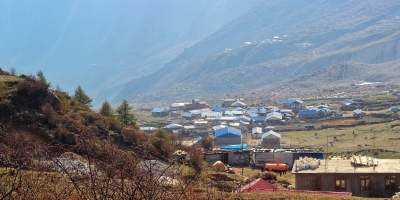
The Langtang Valley with Gosainkunda and Helambu Trek takes you across some of the most iconic and diverse regions in the Central Himalayas. Starting from Syabrubesi, a picturesque riverside town in Rasuwa district, trekkers gradually make their way through lush forests to Lama Hotel, a quiet spot nestled among pine and rhododendron trees. From there, the trail ascends to Mundu, passing the old Langtang Village, which holds historical and emotional significance as it was destroyed in the 2015 earthquake.
Reaching Kyanjin Gompa, the spiritual center of the Langtang Valley, is a major highlight. This serene village is surrounded by towering peaks like Langtang Lirung and offers a chance to hike to Kyanjin Ri or Tserko Ri for panoramic Himalayan views. The trail then shifts toward the holy lakes of Gosainkunda, passing through Tamang villages like Thulo Syabru and Sing Gompa, known for their rich culture and Buddhist monasteries. The turquoise glacial lakes of Gosainkunda are sacred to both Hindus and Buddhists and provide a peaceful high-altitude experience.
Crossing Laurabinaya Pass (4,640m), the journey continues to Ghopte Odar, Thadepati, and into the Helambu region—home to the Hyolmo people. Villages like Melamchi Gaon, Tarke Gyang, and Sermathang offer cultural immersion with traditional homes, Buddhist stupas, and welcoming locals. The trek ends with a drive from Melamche Bazaar back to Kathmandu, completing a loop of immense scenic, cultural, and spiritual diversity.
Highlights – Major Places Include:
- Syabrubesi – Starting point and gateway to Langtang
- Kyanjin Gompa – Spiritual and scenic heart of the Langtang Valley
- Gosainkunda – Sacred glacial lakes at high altitude
- Laurabinaya-La Pass – Challenging high-mountain crossing
- Helambu villages – Culturally rich and less-trodden trails
Best Season for Langtang Valley with Gosainkunda and Helambu Treks
The best time to undertake the Langtang Valley with Gosainkunda and Helambu Treks is during the pre-monsoon (spring) and post-monsoon (autumn) seasons. Specifically, March to May and mid-September to early December offer ideal weather, stunning mountain views, and comfortable trekking conditions. During these times, the skies are generally clear, and visibility is at its best, allowing trekkers to fully enjoy the grandeur of the Himalayas.
Spring is a particularly beautiful time to trek, as the rhododendron forests along the route are in full bloom. Temperatures at lower elevations are mild, while higher sections like Kyanjin Gompa and Gosainkunda remain cold but manageable. Autumn, on the other hand, offers post-monsoon clarity with dry trails and less chance of weather disruptions. This season is especially good for high-altitude sections like Laurabinaya-La Pass, which can become difficult in snowy or wet conditions.
Although winter (December to February) sees fewer trekkers due to the cold and snow at higher elevations, it can be suitable for well-prepared and experienced trekkers looking for solitude. Monsoon season (June to August) is generally not recommended due to heavy rainfall, risk of landslides, and poor visibility.
Ideal Trekking Seasons:
- Spring (March to May) – Best for blooming flora and mild weather
- Autumn (Mid-September to early December) – Excellent visibility and dry conditions
- Winter (December to February) – Cold and quiet; only for experienced trekkers
- Avoid Monsoon (June to August) – Risk of landslides and cloud cover
Langtang Valley with Gosainkunda and Helambu Trekking Difficulty
The Langtang Valley with Gosainkunda and Helambu Trek is considered a moderate to challenging trek in terms of difficulty. While it does not require technical climbing, it demands good physical fitness and some prior trekking experience due to the varied terrain and high altitude. The trek reaches a maximum elevation of 4,640 meters at Laurabinaya-La Pass, which presents a significant challenge due to altitude, cold, and steep inclines.
Trekkers should be prepared for long walking hours, often 5–7 hours a day, with continuous ascents and descents. The trail involves traversing forests, crossing suspension bridges, walking through glacial valleys, and navigating rocky alpine terrain. Acclimatization is crucial, especially around Kyanjin Gompa and Gosainkunda, to prevent altitude sickness. Everest Adventure Tour designs rest days and gradual ascents to help manage this.
Weather can also impact the trek’s difficulty. Sudden changes at high elevations can bring cold winds or snowfall, especially around the pass. Trails can be slippery during early spring or late autumn. While the trails are well-marked and frequently traveled, the remoteness of some sections means medical support is limited, so preparation is key.
Trek Difficulty – Key Points:
- Moderate to challenging trek; ideal for trekkers with some experience
- High point: Laurabinaya-La Pass (4,640 m) – physically demanding
- Daily walking: 5–7 hours across varied terrain
- Altitude acclimatization is essential
- Preparation, gear, and fitness play a big role
Food and Accommodation for Langtang Valley with Gosainkunda and Helambu Treks
Food and accommodation along the Langtang Valley with Gosainkunda and Helambu route are well-established, thanks to the popularity of the region. Trekkers will stay in teahouses—basic but cozy lodges that offer rooms with twin beds, thick blankets, and simple furniture. Attached bathrooms are rare in higher altitudes, but most teahouses provide clean shared toilets and cold or paid hot showers.
Food options are plentiful and surprisingly diverse for such remote areas. The typical menu includes traditional Nepali fare such as dal bhat (rice with lentils and vegetables), noodles, momos (dumplings), pasta, and pancakes. Many teahouses also offer hot drinks like tea, coffee, and hot lemon. In higher elevations like Gosainkunda and Kyanjin Gompa, the menu narrows slightly due to supply limitations, but trekkers can still find warm, nourishing meals. Everest Adventure Tour works closely with reliable local teahouses to ensure quality service and hygiene.
Drinking water is available at most teahouses but should be treated or boiled. Bottled water is available for purchase, though we encourage eco-conscious trekkers to carry water purification tablets or reusable bottles with filters to reduce plastic use. While accommodation is basic, the warmth of the hosts and the incredible views more than make up for any lack of luxury.
Food & Accommodation Highlights:
- Teahouse-based lodging – Basic rooms with beds and blankets
- Meals include dal bhat, noodles, soups, pancakes, tea
- Hot showers often available at lower elevations (for a fee)
- Clean, simple, and authentic village hospitality
- Safe drinking water is available; bring purification methods
Network and Communication for Langtang Valley with Gosainkunda and Helambu Treks
Communication and network coverage during the Langtang Valley with Gosainkunda and Helambu Treks is generally limited but gradually improving. While Kathmandu and the initial sections of the journey such as Syabrubesi may have reliable mobile networks (Nepal Telecom and Ncell), connectivity starts to drop as you ascend higher into the mountains. Between Lama Hotel and Kyanjin Gompa, you may experience weak or no signal depending on the location and your service provider.
Some teahouses along the route offer Wi-Fi service, particularly in more developed trekking hubs like Kyanjin Gompa, Sing Gompa, and Tarke Gyang. However, these services are often paid, relatively slow, and unreliable due to the remote geography. In higher-altitude or forested areas like Ghopte Odar or Laurabinaya-La, don’t expect to have any network signal at all.
For emergency communication, Everest Adventure Tour ensures that your guide carries a mobile or satellite phone, depending on the group size and season. We also recommend that trekkers inform their families that they may be out of contact for multiple days. If constant connectivity is crucial, consider renting a satellite communication device such as a Garmin InReach or Bivystick before your trek.
Network & Communication Summary:
- Mobile signal is limited above Syabrubesi; spotty beyond Lama Hotel.
- Some Wi-Fi available in teahouses (usually paid and slow).
- No signal at high passes and deep forested zones.
- Emergency contact via guide’s phone or satellite communication.
- Plan ahead for limited connectivity and inform loved ones.
Langtang Valley with Gosainkunda and Helambu Trekking Transportation
Transportation for the Langtang Valley with Gosainkunda and Helambu Treks primarily involves overland travel and is arranged by Everest Adventure Tour to ensure comfort and efficiency. The trek begins with a scenic drive from Kathmandu to Syabrubesi, which takes approximately 6–7 hours depending on road and traffic conditions. The road is partly black-topped and partly rough, especially after Trishuli Bazaar, but offers fantastic views of the Trishuli River and surrounding hills.
Vehicles used for this journey typically include private jeeps, tourist minibuses, or local buses, based on group size and package selection. Everest Adventure Tour prefers using private vehicles for better comfort, safety, and flexibility, especially given the rough and winding roads leading to the Langtang region. The drive not only serves as transportation but also an introduction to the diverse mid-hill landscapes of Nepal.
After the trek concludes in Sermathang or Melamche Bazaar, trekkers are picked up and driven back to Kathmandu, which takes another 5–6 hours. This return drive allows you to explore different scenery on the way back, often through Dhulikhel or Banepa, offering glimpses of traditional rural life and terraced farming.
Transportation Summary:
- Drive from Kathmandu to Syabrubesi (6–7 hours) to begin the trek.
- Private jeeps or minibuses used for safety and comfort.
- Return drive from Melamche Bazaar to Kathmandu (5–6 hours).
- Roads are scenic but can be rough and winding.
- All transportation is arranged by Everest Adventure Tour.
Langtang Valley with Gosainkunda and Helambu Trekking Permits
Trekking the Langtang Valley with Gosainkunda and Helambu route requires a few essential permits, all of which are arranged by Everest Adventure Tour prior to the trek. The most important is the Langtang National Park Entry Permit, as much of the trekking route falls within this protected area. The national park is home to diverse flora and fauna, and the permit fees contribute to conservation and trail maintenance efforts.
In addition, trekkers must obtain the TIMS (Trekkers’ Information Management System) Card, which helps authorities keep records of foreign trekkers in Nepal and improves safety protocols. There are two categories of TIMS cards: green (for individual trekkers) and blue (for group trekkers). Those booking with Everest Adventure Tour will automatically be issued the appropriate card.
No special permits are required for Helambu, but since the trek touches multiple rural municipalities, these permits ensure that you're trekking legally and are covered in case of emergencies. It’s important to carry all permits at all times, as they may be checked at various checkpoints along the trail.
Permits Summary:
- Langtang National Park Permit – Required for park entry.
- TIMS Card (Blue/Green) – For trekking registration and safety.
- No special permit required for Helambu region.
- All permits are handled by Everest Adventure Tour.
- Carry permits at all times during the trek.
Why Choose Langtang Valley with Gosainkunda and Helambu Treks
The Langtang Valley with Gosainkunda and Helambu Trek is a comprehensive Himalayan experience that offers the best of Nepal’s natural, spiritual, and cultural landscapes. Unlike the more commercialized routes like Everest Base Camp or Annapurna Circuit, this trek provides a peaceful alternative with fewer crowds, allowing trekkers to connect deeply with nature and the mountain communities. The trail seamlessly combines alpine valleys, sacred lakes, forested ridges, and heritage-rich villages, making it one of the most diverse trekking circuits in Nepal.
Another major reason to choose this trek is the cultural immersion. You’ll experience life in Tamang, Tibetan, and Hyolmo communities, each with its unique customs, architecture, and traditions. The trek includes visits to ancient monasteries, chortens, and religious sites like Kyanjin Gompa and Gosainkunda Lake, offering a blend of adventure and spirituality. These culturally rich experiences are further enhanced by the warm hospitality of the locals, who welcome trekkers into their teahouses and daily lives.
Everest Adventure Tour ensures that every aspect of the journey is well-managed—from transportation and permits to expert guides and quality accommodation. Our local expertise, safety-first approach, and personalized attention make your experience smooth, immersive, and memorable.
Why Choose This Trek:
- Combines valleys, lakes, high passes, and cultural villages.
- Less crowded than mainstream trekking routes.
- Rich in Tamang, Hyolmo, and Tibetan Buddhist culture.
- Includes sacred Gosainkunda Lake and high Laurabinaya Pass.
- Organized by Everest Adventure Tour with reliable support.
Important Note
Trip Itinerary
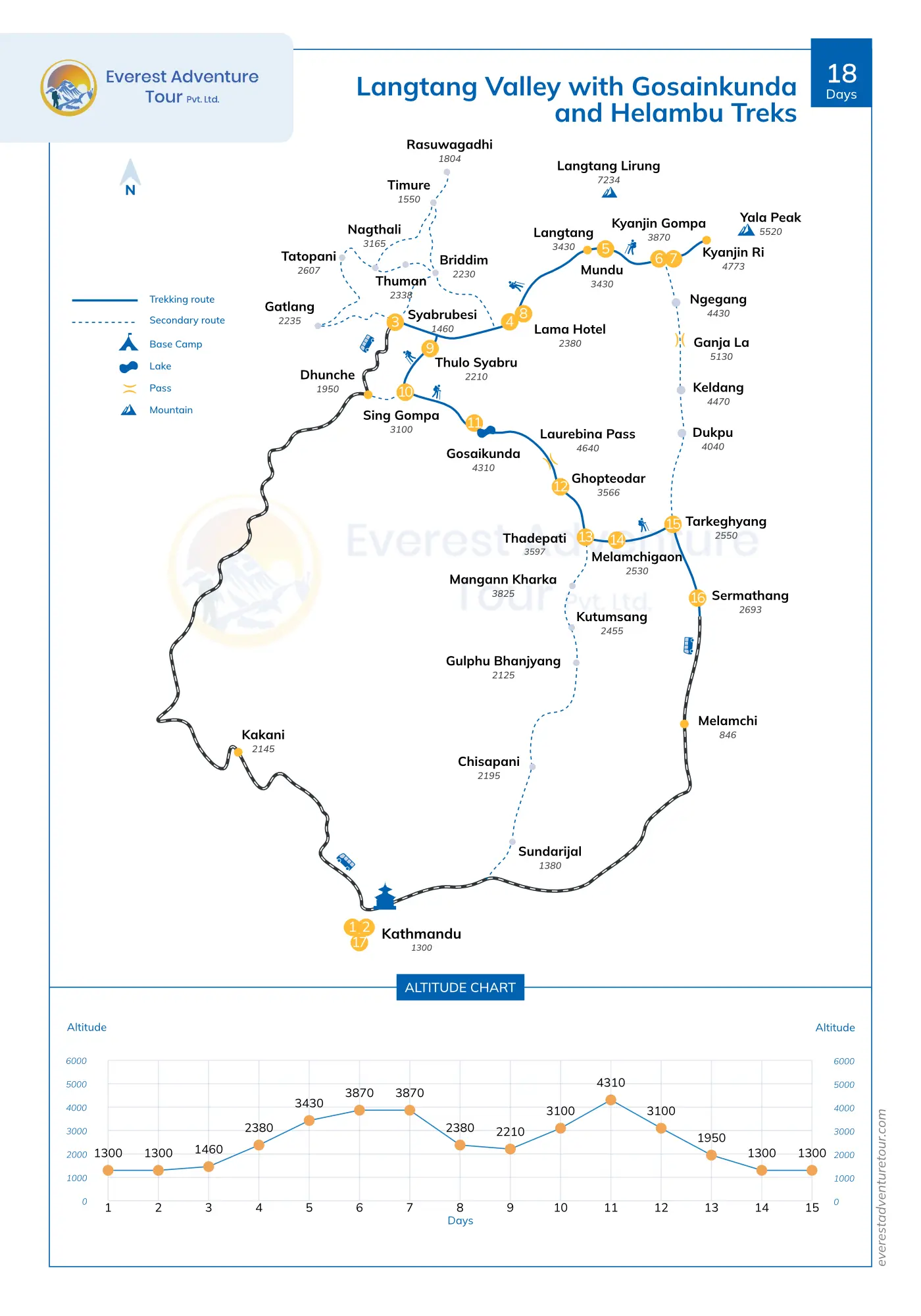
Route Map
Includes
- All Arrival and Departure Transfer from airport to hotel and vice-versa, vehicles according to group size.
- Three Star hotels in Kathmandu on bed and breakfast basis only.
- Transportation on start of trekking and after trek to and from Kathmandu.
- Full board trekking includes twin sharing accommodation on best available local lodges, includes Breakfast, lunch, dinner with afternoon tea / snacks.
- Service of guide, trekking staff as per size of a group with porters.
- Wages, meals, medical allowance of guides, trekking staff and porters.
- Applicable Trekking Permits TIMS (Trekking Information Management Systems). Includes Langtang National Park entrance Fees.
- Comprehensive Medical Kit carried by our guide if required for minor wounds and sickness.
- Sightseeing tour around Kathmandu valley as per the itinerary.
- Welcome or Farewell dinner in Kathmandu.
Doesn't Include
- Nepal Visa, Personal Medical & Travel Insurance.?
- Expenses of personal nature, meals in Kathmandu and gratitude or tipping for trekking staff, drivers, porters and guide, including extra snacks and refreshments.?
- Personal trekking gear, including sleeping bags and down jackets (if it is not? included on the trip cost).?
- Emergency Evacuation if required by any means of transportation, including? Helicopter Service.?
- Personal medical kit, as advised by you doctors.?
- Early return from the trek due to personal domestic or medical reasons, no refund will be entertained on breaking the journey.
- Excellent customer service. Our travel experts are ready to help you 24/7.
- Best price guaranteed.
- No credit card or booking fees.
- 100% financial protection.
- Environmentally-friendly tours.
Equipment List
- Thermal underwear (top and bottom)
- Moisture-wicking long-sleeved t-shirts
- Moisture-wicking underwear
- Fleece jacket or pullover
- Insulated down or synthetic jacket (lightweight and warm)
- Waterproof, windproof jacket (Gore-Tex or similar)
- Waterproof, windproof pants
- Trekking pants (convertible preferred)
- Warm beanie or wool hat
- Sun hat or baseball cap
- Neck gaiter, buff, or scarf
- Waterproof trousers (for rain and snow)
- Lightweight inner gloves (thermal or liner gloves)
- Insulated outer gloves or mittens (waterproof)
- Waterproof, broken-in hiking boots with ankle support
- Comfortable camp shoes or sandals (for evenings)
- Trekking socks (wool or synthetic, several pairs)
- Gaiters (optional, for snow and mud)
- Trekking backpack (30-40 liters) with rain cover
- Daypack (optional, for short hikes)
- Sleeping bag (rated to at least -10°C / 14°F)
- Insulated sleeping pad or foam mattress
- Adjustable trekking poles (with rubber tips)
- Insulated water bottles or hydration bladder (2-liter capacity recommended)
- Sunglasses with UV protection
- Headlamp with extra batteries
- Power bank and chargers (for electronics)
- Camera and extra batteries/memory cards
- Travel-size toiletries (toothbrush, toothpaste, biodegradable soap)
- Quick-dry towel
- Wet wipes and hand sanitizer
- Sunscreen (high SPF) and lip balm with SPF
- Personal first aid kit (bandages, blister pads, antiseptic, medication)
- Medications for altitude sickness (Diamox if prescribed)
- Pain relievers, anti-diarrheal, antihistamines
- Earplugs (for noisy lodges)
- Notebook and pen
- Portable solar charger (optional)
- Plastic zip-lock bags (to keep gear dry)
- Lightweight stuff sacks or packing cubes
- Snacks (energy bars, nuts, chocolates)
- Reusable water bottle or hydration system
- Small knife or multi-tool
- Passport-size photos (for permits if needed)
Frequently Asked Questions
This trek is suitable for a wide range of age groups, typically from 14 to 70 years old. It is considered a moderate to adventurous trek, which means that while the journey involves some challenging ascents (especially to Lama Hotel, Kyanjin-Ri, and the Gosainkunda Pass), it is not technical or overly extreme. With proper pacing, rest breaks, and acclimatization, most healthy individuals can complete this trek. Younger participants (under 18) should be accompanied by a parent or guardian, and all participants should consult their doctors if they have pre-existing medical conditions before joining. Everest Adventure Tour offers guidance and support to ensure all age groups can safely enjoy the trek.
Trekkers are often pleasantly surprised by the variety of food available along the Langtang-Gosainkunda-Helambu trail. Most teahouses offer a diverse menu, including Tibetan, Nepali, Indian, Chinese, and Continental dishes. You can expect warm meals such as dal bhat, noodles, momos, pasta, fried rice, and even pancakes or porridge for breakfast. Regarding accommodation, most lodges offer simple but clean rooms with basic bedding. Higher up, such as in Gosainkunda or Thulo Syabru, rooms are more basic and bathrooms are mostly shared. Some places have attached toilets, especially in larger settlements like Syabrubesi and Kyanjin Gompa. The warmth and hospitality of the hosts more than make up for the modest amenities.
The trek is classified as moderate, meaning it is physically challenging at times but not technically difficult. The main challenges include a steep ascent to Gosainkunda, the crossing of the East Laurabinaya-La Pass (4,640 m), and sustained walking at higher altitudes. However, with the guidance of Everest Adventure Tour’s experienced guides, even these sections become manageable. Trekkers are encouraged to walk at a comfortable pace, take frequent breaks, and hydrate regularly. As long as you are in good health and have a basic level of fitness, you should be able to complete the trek successfully.
Most lodges along the trail have electricity powered by hydro or solar energy. You can charge your electronic devices such as phones and cameras for a small fee. Wi-Fi and mobile signals are available in lower altitudes and in key villages like Syabrubesi, Kyanjin Gompa, and Sing Gompa. However, connectivity becomes unreliable at higher altitudes or in deep valleys. The mobile network (Nepal Telecom or Ncell) works better in certain spots, and Everest Adventure Tour recommends purchasing a local SIM in Kathmandu before starting the trek if you plan to stay connected.
The Gosainkunda Festival, also known as Janai Purnima, takes place during August or late July, based on the Hindu lunar calendar. It is a spiritually significant time when thousands of Hindu and Buddhist pilgrims journey to the sacred lake to worship Lord Shiva and take a ritual bath. The event coincides with a full moon and is a spectacular cultural experience. If you are interested in attending this festival, Everest Adventure Tour can help you schedule your trek accordingly and provide more details on the exact festival dates for any given year.
The best seasons for this trek are spring (March to May) and autumn (September to November). During these months, the weather is clear, the skies are bright blue, and the views of Langtang Lirung, Ganesh Himal, and Dorje Lakpa are truly breathtaking. Spring is especially colorful due to blooming rhododendrons, while autumn offers stable weather and crisp mountain air. While winter is cold and summer brings monsoon rains, Everest Adventure Tour can organize customized treks during these times for experienced hikers or festival seekers.
To trek in the Langtang, Gosainkunda, and Helambu regions, you will need two main permits:
Langtang National Park Entry Permit
TIMS (Trekkers’ Information Management System) Card
These permits are essential for tracking trekkers and for conservation funding. Everest Adventure Tour handles all permit arrangements as part of your trekking package, so you don’t need to worry about paperwork or queues. Make sure to carry your permits at all times, as there are regular checkpoints along the trail.
For this trek, you'll need gear suitable for changing climates and varying elevations. Must-haves include:
Good trekking boots
Layered clothing (base layer, fleece, down jacket)
Rain gear
Sleeping bag (rated to -10°C)
Trekking poles
Sunscreen, sunglasses, hat
Water purification tablets or filter
Don’t forget essentials like personal medications, toiletries, and power banks. Everest Adventure Tour provides a full packing list during your booking process and can help you rent or purchase gear in Kathmandu.
Yes, altitude sickness (AMS) can be a concern on this trek, especially beyond 3,000 meters, such as around Kyanjin Gompa and Gosainkunda. However, Everest Adventure Tour has designed the itinerary with gradual altitude gain and acclimatization days, which helps minimize risk. Guides are trained to recognize symptoms of AMS and respond quickly with rest, hydration, and if needed, descent. Trekkers are encouraged to stay hydrated, avoid alcohol, and listen to their bodies. Diamox (altitude medication) can also be carried upon doctor’s advice.
Everest Adventure Tour offers a well-rounded trekking experience led by professional local guides with years of experience in the Langtang region. From arranging permits and accommodation to providing custom itineraries, emergency support, and cultural insights, our team ensures your trek is smooth, safe, and memorable. We focus on ethical tourism, support local communities, and ensure environmental responsibility. Whether you're a first-time trekker or a seasoned adventurer, we deliver a trip that exceeds expectations while maintaining your comfort and safety.