
Cultural & Scenic Tour around Nepal
2 Apr 2023
A cultural and scenic tour around Nepal, a country blessed with the natural beauty of high Himalayan peaks, and rolling green hills.
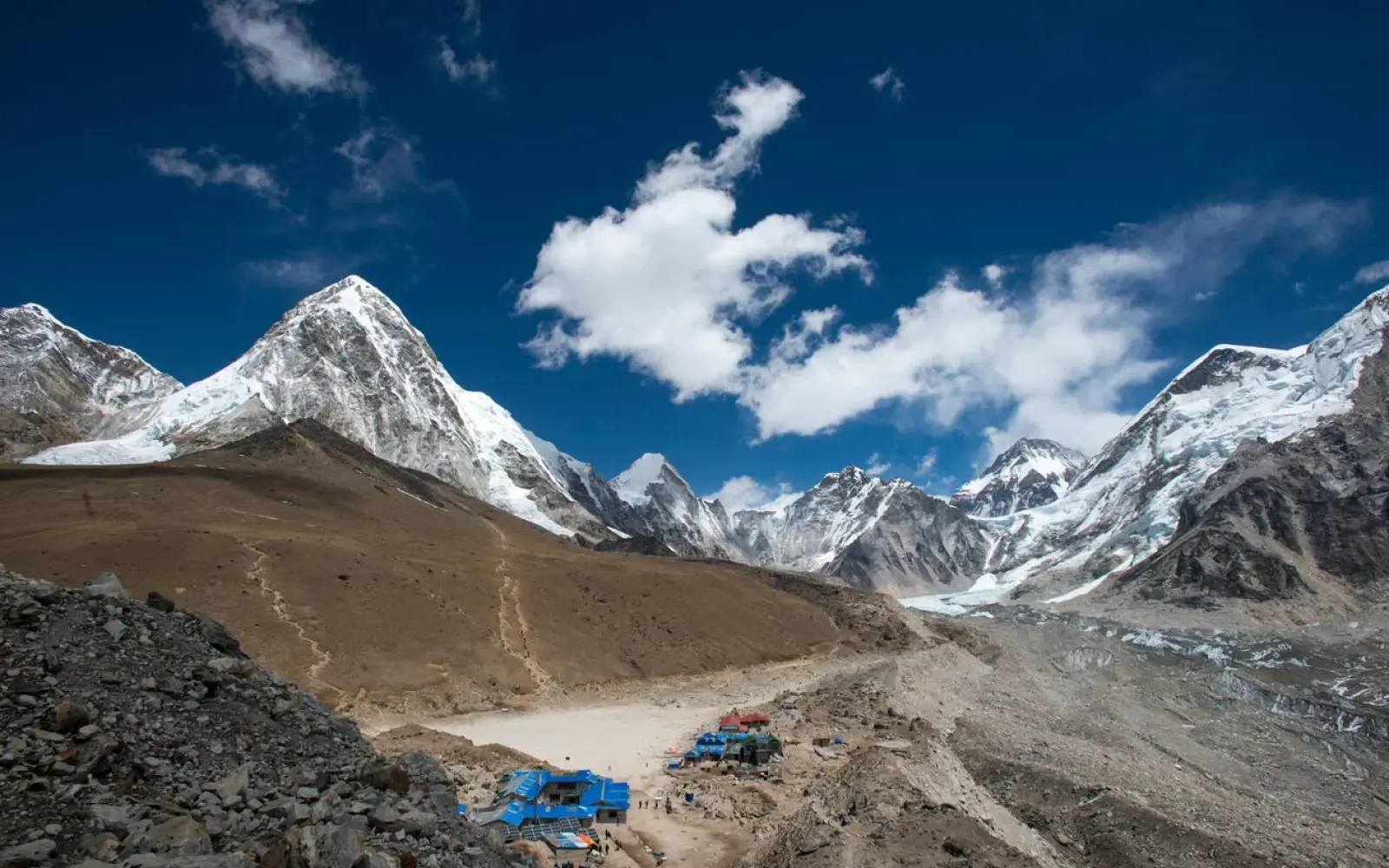

The Everest Base Camp Trek is more than just a hike—it's a life-defining journey that combines raw natural beauty, deep cultural heritage, and the awe-inspiring presence of the highest mountain on Earth. This beginner’s guide, created by Everest Adventure Tour, serves as your trusted companion in understanding what it takes to complete this legendary trek. From preparing your gear to mentally preparing for the thin mountain air, we walk you through every step of the process so that you can focus on the adventure rather than the unknowns.
This guide doesn’t just cover logistics; it also shares the spirit of the trek. Whether you’re motivated by a dream to see Everest up close, or you’re looking for an accessible way to step into high-altitude trekking, this guide brings clarity, confidence, and inspiration. With decades of local experience, Everest Adventure Tour is committed to making your trek to Everest Base Camp both unforgettable and safe—ensuring even first-timers walk away with memories and stories that last a lifetime.
Introduction: Why Trek to Everest Base Camp?
Trekking to Everest Base Camp (EBC) is not just a physical challenge—it’s a spiritual and emotional journey into the heart of the Himalayas. For many, it represents a lifelong dream, a bucket-list item that symbolizes resilience, adventure, and personal accomplishment. Standing at 5,364 meters (17,598 ft), EBC offers trekkers the rare opportunity to experience Mount Everest’s grandeur without the technical demands of a summit attempt. Along the way, the trail winds through Sherpa villages, Buddhist monasteries, and breathtaking glacial landscapes that remain untouched by modernity.
More than just scenery, the trek to Everest Base Camp allows you to immerse yourself in the rich culture of Nepal’s Khumbu region. You'll engage with local communities, learn about ancient traditions, and witness the hospitality that makes the Himalayas so unique. The journey is humbling and transformative, reminding you of nature’s vast power and your own strength. With Everest Adventure Tour, you’ll not only reach your destination—you’ll gain insight, perspective, and a connection to the mountains that few experiences can match.
Is the Everest Base Camp Trek Right for You?
The Everest Base Camp Trek is achievable for most healthy individuals with moderate fitness, but it does require preparation, resilience, and an adventurous spirit. The trek spans around 12-14 days, covering roughly 130 kilometers (80 miles) round-trip. Daily hikes usually last between 5–7 hours and include gradual ascents, steep climbs, and high-altitude conditions. If you're new to trekking or have never been above 3,000 meters, it's essential to understand the physical demands and the importance of proper acclimatization.
However, you don’t need to be an elite athlete to complete this trek. With the right training, a guided itinerary, and a positive mindset, many first-time trekkers successfully reach base camp every year. Everest Adventure Tour ensures beginner-friendly pacing, rest days for acclimatization, and experienced guides who monitor your health and comfort throughout. If you're seeking a meaningful challenge, have a love for nature, and a willingness to embrace new cultures, the EBC trek may be exactly what you’ve been looking for.
Best Time to Visit: Seasons & Weather Guide
Choosing the right time to trek is crucial for both safety and enjoyment. The best seasons for the Everest Base Camp Trek are pre-monsoon (March to May) and post-monsoon (late September to November). During spring, you’ll be treated to blooming rhododendrons, clear skies, and warmer daytime temperatures—making it a favorite for nature lovers and photographers. In autumn, visibility is at its peak after the monsoon rains, revealing crystal-clear views of Everest and the surrounding peaks.
Winter (December to February) is possible for experienced trekkers seeking solitude, but expect freezing temperatures and occasional snow-blocked passes. The summer monsoon season (June to early September) is best avoided due to heavy rains, slippery trails, and cloud-covered mountains. Everest Adventure Tour offers guided treks during optimal months and provides weather updates, packing lists, and tailored itineraries to ensure your trek aligns with seasonal conditions. With the right timing, your journey to Everest Base Camp can be both safe and spectacular.
How to Get There: Flights, Routes & Permits
Reaching Everest Base Camp begins with getting to Kathmandu, the capital of Nepal. Most international travelers fly into Tribhuvan International Airport, where you'll be greeted by your local trekking company—such as Everest Adventure Tour—to assist with hotel transfers and final preparations. From Kathmandu, a short yet thrilling 30-40 minute flight takes you to Lukla (2,846 meters), home to one of the world’s most famous mountain airstrips. This flight marks the real beginning of your trek into the Himalayas.
To legally trek in the Everest region, you need several permits: the Sagarmatha National Park Entry Permit, a Khumbu Rural Municipality Entry Permit, and for flights and airport access, TIMS (Trekkers’ Information Management System) cards may also be required in some cases. Everest Adventure Tour handles all permits, logistics, and travel arrangements, ensuring you’re legally covered and ready to trek safely. With experienced local coordination, what may seem like a complex journey becomes seamless and worry-free.
Essential Gear and Packing List
Packing smartly is essential for your comfort, safety, and success on the trail. The Himalayas offer unpredictable weather, so layers are your best friend. Your gear list should include a quality down jacket, moisture-wicking base layers, a fleece jacket, trekking pants, and thermal underwear. A durable sleeping bag rated to at least -10°C, a headlamp, sunscreen, polarized sunglasses, and a wide-brim hat are also critical. Footwear is especially important—well-broken-in waterproof trekking boots and several pairs of warm hiking socks are a must.
Don't forget trekking poles, a refillable water bottle or hydration bladder, and a small daypack for daily essentials. Personal hygiene items like wet wipes, hand sanitizer, and toilet paper are surprisingly important. Your guide company, such as Everest Adventure Tour, will often provide a comprehensive checklist and support with rental gear if needed. Traveling light—but well-equipped—is key to enjoying the trek without being burdened by unnecessary weight.
Physical Preparation: Training Tips for Beginners
You don’t need to be a mountaineer to complete the Everest Base Camp Trek, but you do need to be physically and mentally prepared. Training should begin at least 8–12 weeks before your departure, focusing on cardiovascular fitness, strength training, and endurance. Long hikes, stair climbing, or brisk walking with a loaded backpack are excellent ways to simulate trekking conditions. A target should be walking 6–8 hours per day, ideally in varied terrain.
Strengthening your legs, core, and improving balance will help with steep ascents and descents. Don't overlook altitude training if possible—if you live near higher elevations or can use a high-altitude training mask, that can give you an advantage. Most importantly, consistency matters more than intensity. Everest Adventure Tour offers personalized advice and training tips to help you prepare according to your fitness level, ensuring that you're ready both physically and mentally for the journey ahead.
The Trek Itself: Day-by-Day Itinerary Overview
Day 1: Arrival in Kathmandu and Transfer to Hotel
Your adventure begins in Kathmandu, where a team member from Everest Adventure Tour will greet you at the airport and transfer you to your hotel. Take this day to rest and recover from your flight.
Day 2: Tour of Kathmandu Heritage Sites
Explore the rich history of Kathmandu with a guided city tour. Visit UNESCO World Heritage Sites such as Swayambhunath (Monkey Temple), Pashupatinath Temple, and Boudhanath Stupa, gaining cultural insight before heading into the mountains.
Day 3: Fly to Lukla and Trek to Phakding (2,645 m) – 4 hours
A short scenic flight lands you in Lukla. Begin your trek with a gentle descent to Phakding, walking through pine forests along the Dudh Koshi River.
Day 4: Trek to Namche Bazaar (3,440 m) – 6 hours
A challenging day with steep climbs and your first suspension bridges. Enter Sagarmatha National Park and reach the iconic Namche Bazaar, the main trading hub of the Khumbu region.
Day 5: Acclimatization in Namche
Take a short hike to Everest View Hotel or Khunde/Khumjung villages to help acclimatize. Explore Namche’s cafes, bakeries, and local markets.
Day 6: Trek to Tengboche Monastery (3,867 m) – 5 hours
Walk through rhododendron forests and cross deep valleys to reach Tengboche, home to one of Nepal’s most important Buddhist monasteries, with Everest towering in the background.
Day 7: Trek to Dingboche (4,410 m) – 5 hours
Gain elevation as you cross alpine landscapes and pass stone walls and yak pastures. Dingboche provides stunning views and is a key point for acclimatization.
Day 8: Rest Day in Dingboche
Another rest and acclimatization day. Optional hike to Nangkartshang Peak (5,083 m) for panoramic views of Ama Dablam, Island Peak, and Lhotse.
Day 9: Trek to Lobuche (4,960 m) – 5 hours
Cross glacial moraines and walk alongside towering peaks. You'll pass the Thukla Pass memorials honoring climbers who lost their lives on Everest.
Day 10: Trek to Everest Base Camp (5,364 m) and Return to Gorakshep – 7 hours
Reach the highlight of your trek—Everest Base Camp, surrounded by glaciers and towering icefalls. Return to Gorakshep for the night.
Day 11: Climb Kala Patthar (5,643 m), Trek to Pheriche (4,371 m) – 6 hours
Early morning climb to Kala Patthar for the best views of Everest, Nuptse, and Pumori. Descend to the lower altitude village of Pheriche.
Day 12: Trek to Tengboche – 5 hours
Retrace your steps back to the spiritual ambiance of Tengboche Monastery. The easier pace and lower altitude make it more relaxed.
Day 13: Trek to Monjo (2,880 m) – 6 hours
Descend past Namche Bazaar, enjoying lush scenery and warmer air as you return to the lower Khumbu.
Day 14: Trek to Lukla – 6 hours
Final trekking day. Celebrate your journey with your guides and porters over a well-earned meal in Lukla.
Day 15: Fly Back to Kathmandu
Morning flight from Lukla to Kathmandu. Spend your afternoon relaxing or shopping for souvenirs in Thamel.
Day 16: Free Day in Kathmandu
Use this contingency day to explore more of Kathmandu or recover after your journey. Optional activities or cultural tours available.
Day 17: International Departure
Your adventure concludes with a transfer to the airport for your international flight home. Farewell from Everest Adventure Tour—until next time.
What to Expect: Scenery, Culture & Local Life
One of the most enriching aspects of the Everest Base Camp Trek is the diverse scenery that unfolds with every step. You’ll begin your journey walking through lush pine forests and cross fast-flowing rivers over suspension bridges. As you ascend, the vegetation thins and the dramatic Himalayan landscapes begin to dominate. Snow-capped peaks like Ama Dablam, Lhotse, and eventually Mount Everest tower above you, while glaciers, rocky moraines, and vast valleys surround you. Each day’s hike offers a new perspective—be it sunrise over Kala Patthar or the quiet majesty of the Khumbu Glacier near Base Camp.
Equally memorable is the cultural immersion you’ll experience throughout the trek. The Khumbu region is the homeland of the Sherpa people, known for their legendary mountaineering skills and warm hospitality. You’ll pass through villages like Namche Bazaar, Pangboche, and Khumjung, where Buddhist stupas, prayer flags, and ancient monasteries like Tengboche Monastery provide a glimpse into spiritual mountain life. Interactions with locals, visits to teahouses, and shared meals with fellow trekkers help you connect not just with the mountains—but with the culture and humanity that thrive in their shadow.
Altitude Sickness: Prevention and Safety Tips
Altitude sickness is a serious concern on the Everest Base Camp Trek due to the rapid ascent to elevations over 5,000 meters. The most common form is Acute Mountain Sickness (AMS), which can cause headaches, nausea, fatigue, and difficulty sleeping. In more severe cases, it can escalate into High Altitude Pulmonary Edema (HAPE) or High Altitude Cerebral Edema (HACE)—both of which are life-threatening and require immediate descent. Understanding the risks and symptoms is essential for all trekkers, especially beginners.
Prevention is all about acclimatization and pacing. Everest Adventure Tour includes acclimatization days in places like Namche Bazaar and Dingboche to help your body adjust. Drinking plenty of water, avoiding alcohol, eating well, and ascending slowly are key strategies. Your guides are trained to monitor your condition and use tools like oximeters to check your oxygen levels daily. Diamox (acetazolamide) is often used preventively, and your guide team will carry oxygen and be prepared for emergency evacuations if necessary. With careful planning and professional guidance, the risk of altitude sickness can be greatly minimized, making your journey safer and more enjoyable.
Costs & Budgeting: What You'll Need to Spend
Planning your budget for the Everest Base Camp Trek is crucial, especially for first-time trekkers. The cost varies based on factors such as the length of the trek, type of accommodation, services included, and the trekking company you choose. A fully guided trek with Everest Adventure Tour, including flights, permits, accommodations, meals, guide/porter services, and airport transfers, generally ranges between $1,500 to $2,500 USD. This all-inclusive approach offers peace of mind and a richer experience, especially for beginners unfamiliar with the region.
Additional costs you should plan for include gear purchases or rentals, travel insurance (with helicopter evacuation coverage), tips for guides and porters, and souvenirs or snacks along the way. While Wi-Fi and hot showers are available in many teahouses, they often cost extra—about $3–$5 per use. Budgeting an extra $300–$500 USD for miscellaneous expenses is a wise idea. With Everest Adventure Tour, there are no hidden charges, and they offer flexible packages that cater to both economical and comfort-focused trekkers. Knowing your budget in advance allows you to focus on the experience rather than the expenses.
Staying Connected: Wi-Fi, Charging & Mobile Service
While you’re trekking through remote areas of the Himalayas, staying connected with the outside world is still possible—though limited. Most teahouses in major stops like Namche Bazaar, Dingboche, and Gorakshep offer Wi-Fi for a fee, usually through services like Everest Link. Speeds are typically enough for sending messages or checking in with loved ones but may not support streaming or video calls, especially at higher elevations.
Charging your devices is also possible, but power is often solar-based, especially in more remote villages, and comes at a cost—typically $2–$5 per charge. It’s smart to carry a power bank or solar charger to stay powered between towns. If you prefer mobile service, purchasing a local SIM card (like Ncell or NTC) in Kathmandu can be helpful, though signal coverage becomes limited the higher you go. Everest Adventure Tour provides guidance on digital connectivity options and can help set you up with Wi-Fi cards or local SIMs before the trek. While you'll experience periods of digital detox, you’ll also find moments to reconnect when needed—both with the outside world and more importantly, with yourself and nature.
Food & Accommodation Along the Trail
During your trek to Everest Base Camp, you’ll be staying in locally-run teahouses, which provide basic but comfortable lodging. Most teahouses offer twin-sharing rooms with simple bedding, while common dining areas are warmed by a central stove. Though amenities are limited—especially at higher altitudes—the atmosphere is friendly, cozy, and filled with the camaraderie of fellow trekkers. As you climb higher, expect more rustic conditions, with shared toilets, limited hot showers, and paid charging options for electronics.
Food along the trail is surprisingly diverse given the remoteness. The standard offering is dal bhat (rice, lentils, and vegetables), which is both nutritious and energy-packed—ideal for trekkers. You’ll also find noodles, soups, fried rice, pancakes, pasta, and even pizza in popular stops like Namche Bazaar and Dingboche. Breakfast typically includes porridge, eggs, toast, and tea or coffee, while snacks like chocolate bars, dried fruit, and instant noodles can be purchased at many villages (though prices rise with altitude). Everest Adventure Tour ensures that meals are hygienically prepared and accommodates dietary preferences whenever possible, keeping your energy high and your spirits higher.
Responsible Trekking: Eco-Friendly and Cultural Etiquette
Trekking through the Himalayas is a privilege, and with that comes the responsibility to respect the environment and local culture. The Everest region is incredibly fragile, both ecologically and culturally. Trekking responsibly means following Leave No Trace principles—avoiding littering, minimizing plastic waste, and using reusable water bottles instead of single-use plastics. Everest Adventure Tour provides eco-conscious advice, encourages refill stations, and supports sustainable tourism initiatives to protect the region for future generations.
Cultural respect is equally important. The Khumbu is a deeply spiritual area, home to ancient Buddhist traditions and Sherpa heritage. Always ask before taking photographs of people or sacred places, walk clockwise around stupas and mani walls, and dress modestly—especially in monasteries and villages. Simple gestures like learning a few Nepali or Sherpa phrases, greeting locals with “Namaste,” and showing gratitude go a long way. By trekking respectfully, you’re not just visiting the Himalayas—you’re becoming part of a global community that honors and preserves it.
Final Thoughts: Making the Most of Your Journey
The Everest Base Camp Trek is more than a hike—it's a transformative experience that challenges your body, expands your perspective, and leaves you with memories that last a lifetime. Whether it’s the sunrise from Kala Patthar, the ringing of prayer bells in Tengboche, or the shared laughter over tea in a mountain lodge, every moment becomes a part of your personal Everest story. It’s not about reaching the base camp alone—it’s about everything you discover along the way.
To make the most of your journey, prepare well, listen to your body, and stay present in each moment. The mountains are unpredictable and demanding, but they reward those who move with humility and determination. Everest Adventure Tour is more than just a trekking company—they’re your partners in this once-in-a-lifetime experience. With their guidance, you can walk with confidence, knowing every detail is handled and your journey is in trusted hands.
Why Choose Everest Adventure Tour?
When it comes to trekking in the Himalayas, local knowledge, safety, and personalized service make all the difference—and Everest Adventure Tour excels in all three. With years of experience leading treks in the Everest region, they’ve earned a reputation for professionalism, care, and ethical practices. Their guides are not only certified and trained in high-altitude first aid but are also passionate about sharing the culture and stories of their homeland. From airport pickup to farewell dinner, every detail is thoughtfully curated.
What truly sets Everest Adventure Tour apart is their commitment to beginners and first-time trekkers. They provide clear communication, flexible itineraries, and pre-trek preparation support, including packing lists, training advice, and 24/7 assistance. Whether you’re trekking solo, with friends, or as a family, their team ensures you feel safe, supported, and inspired every step of the way. Choosing Everest Adventure Tour means choosing a meaningful, smooth, and unforgettable experience in the world’s most iconic mountain landscape.
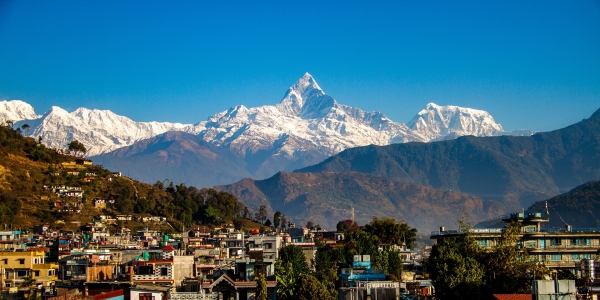
A cultural and scenic tour around Nepal, a country blessed with the natural beauty of high Himalayan peaks, and rolling green hills.
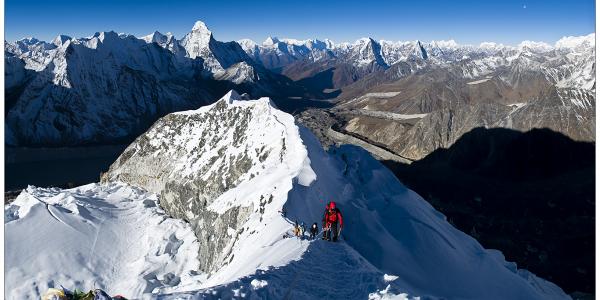
Trekking in Nepal Himalayas, the country with the world’s highest peaks and massive mountain range. This makes Nepal a premier ground for all types of...
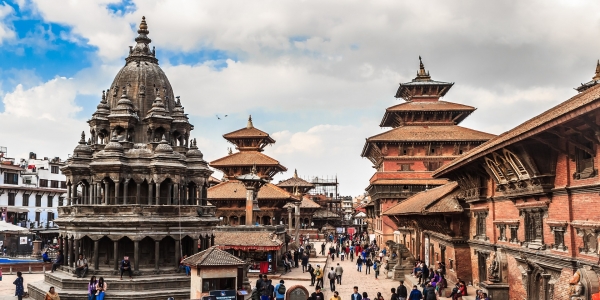
Nepal World Heritage Sites. At present, there are ten beautiful places designated as UNESCO World Heritage Sites. Interested travelers can visit from...



